Nepal Tourism Logo
Must-See Attractions in Lumbini - Lumbini

Must-See Attractions in Lumbini

The most iconic landmarks, temples, viewpoints, and cultural sites in Lumbini, Nepal — what makes each one special and how to visit.

Maya Devi Temple, Lumbini
1

Maya Devi Temple

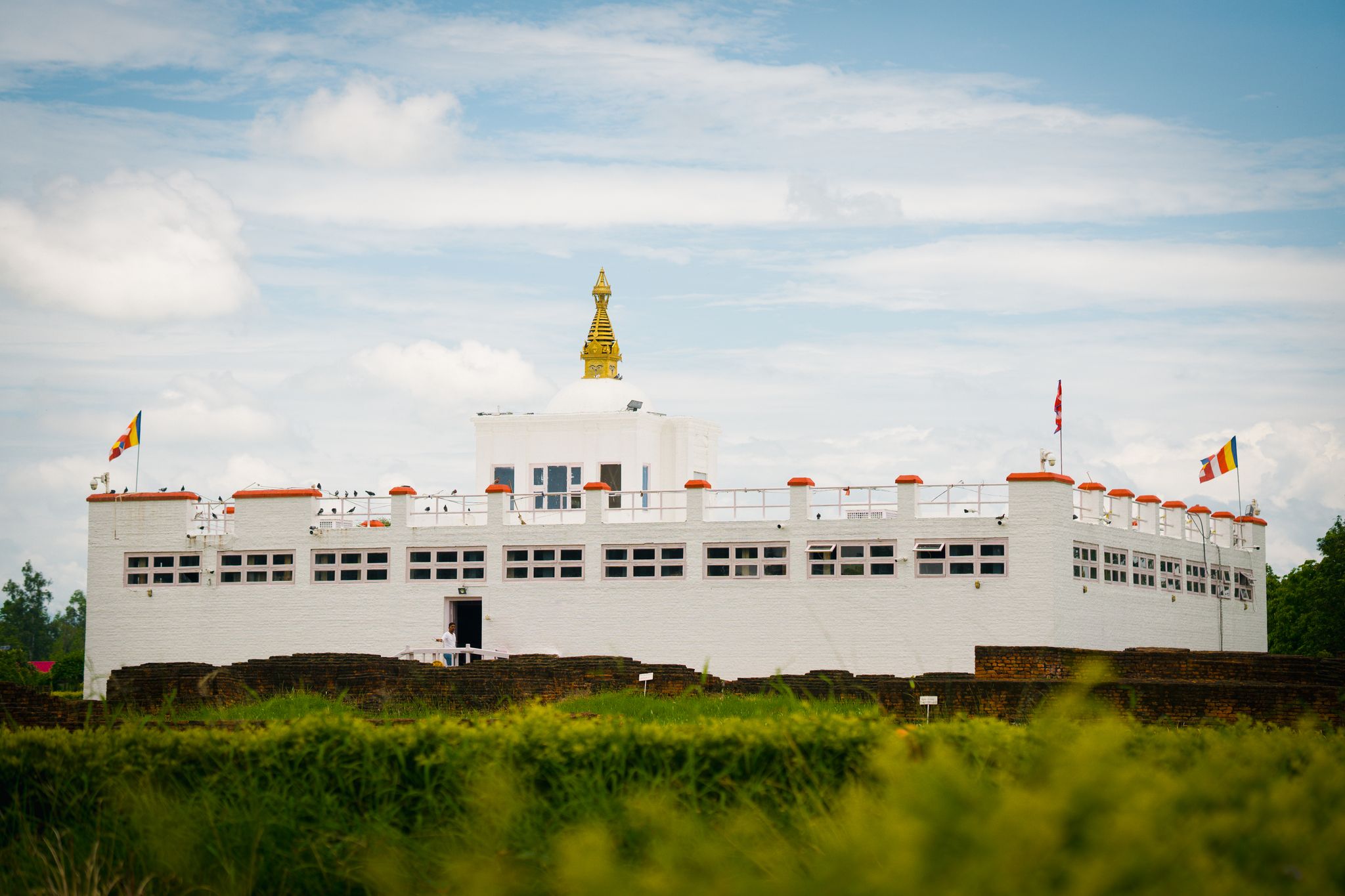
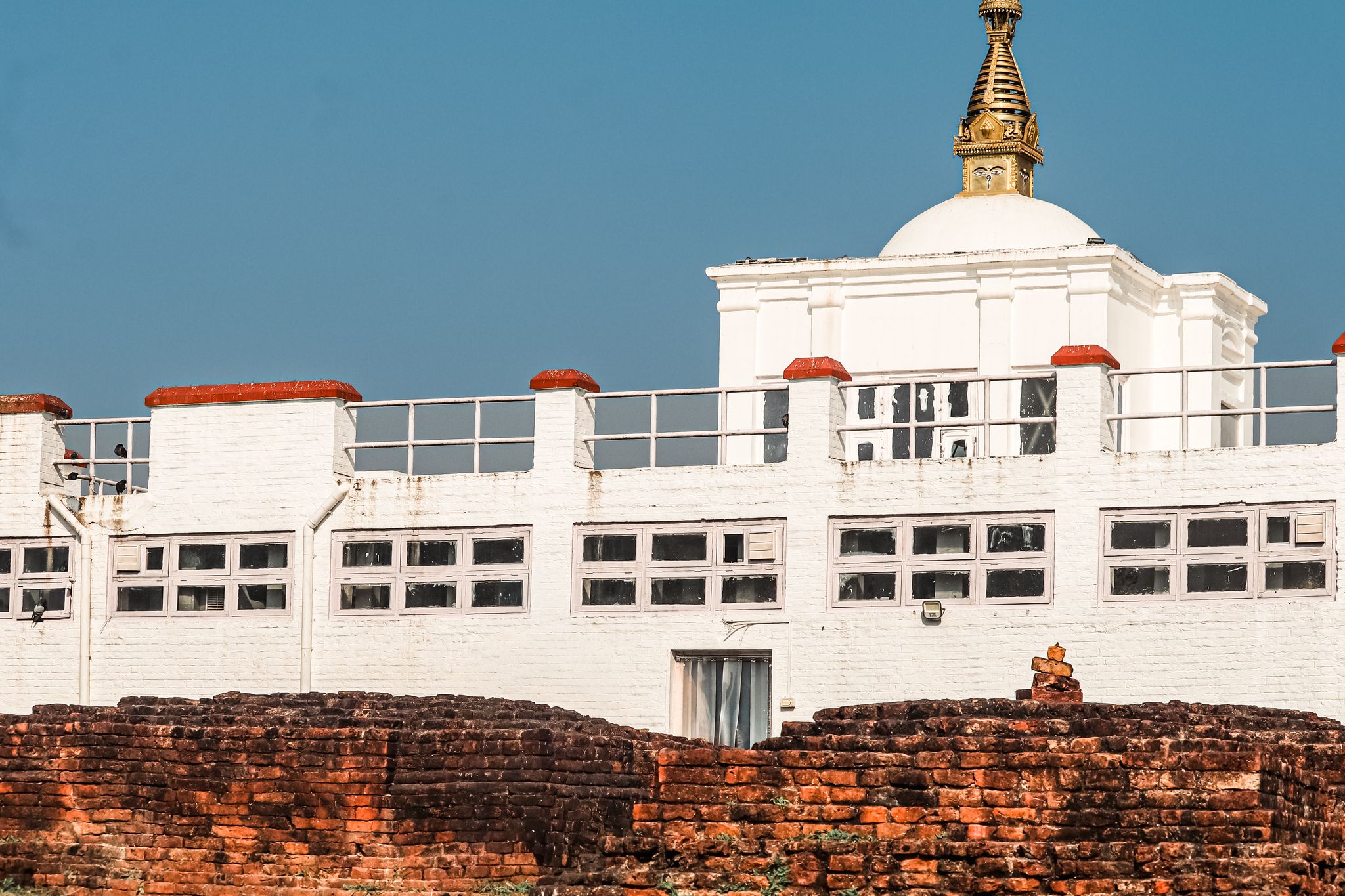
The white-walled Maya Devi Temple marks the exact spot where Queen Maya Devi is said to have given birth to Siddhartha Gautama, the Buddha, in 623 BCE. Inside, a protective shelter covers the Marker Stone pinpointing the birthplace and the ancient Nativity Sculpture depicting the queen grasping a sal tree branch. Shoes come off and photography is restricted inside the sanctum, so dress modestly and move quietly.
Sacred Garden & Puskarni Pond, Lumbini
2

Sacred Garden & Puskarni Pond

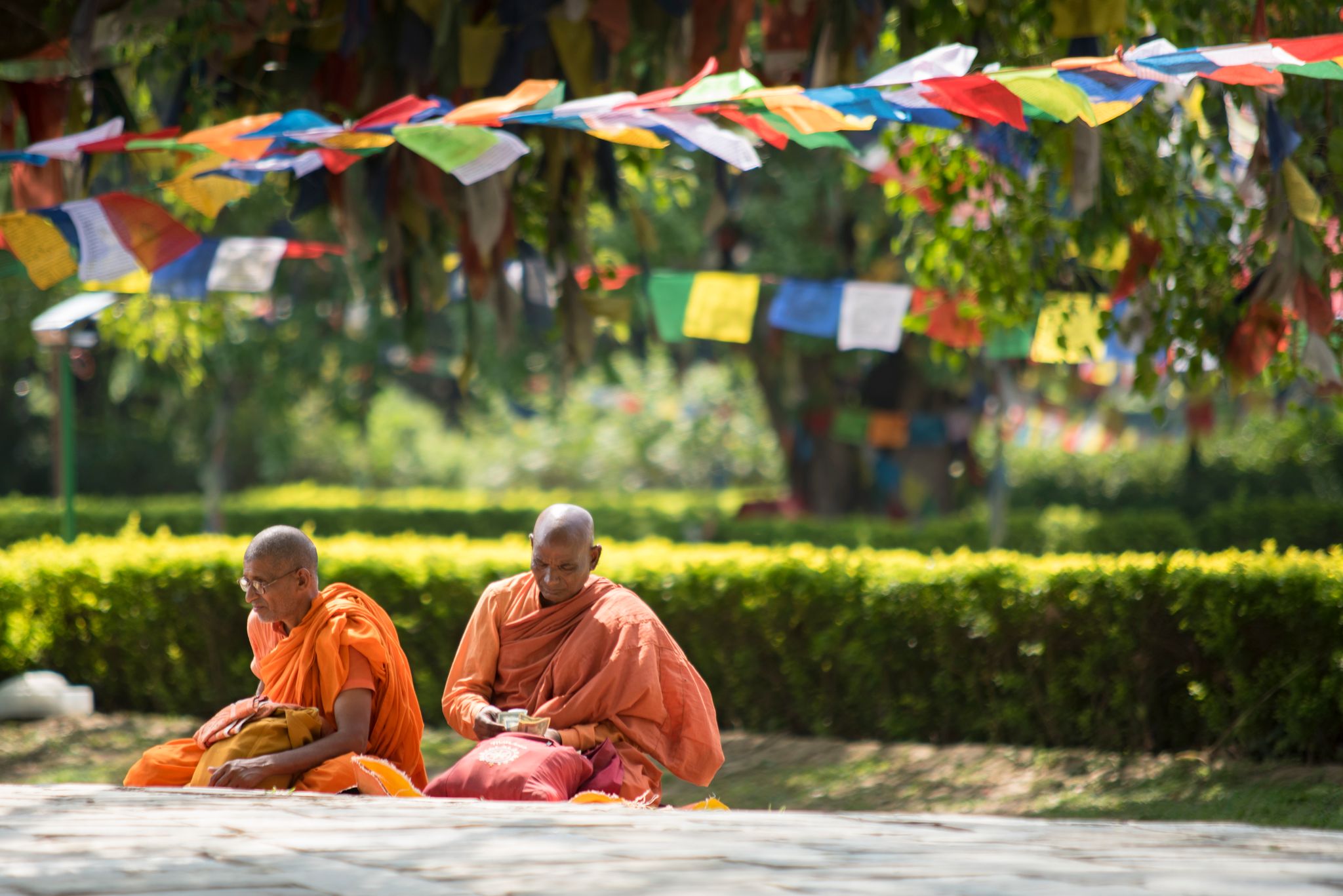
Surrounding the temple is the Sacred Garden, the spiritual heart of Lumbini, where pilgrims circumambulate beneath strings of multicolored prayer flags. The Puskarni (Holy Pond) beside the temple is traditionally believed to be where Maya Devi bathed before the birth and where the infant Buddha had his first bath. Monks and visitors meditate on the lawns under the surviving ancient sal and bodhi trees.

Ashoka Pillar, Lumbini
3

Ashoka Pillar

Erected by Emperor Ashoka in 249 BCE during his pilgrimage, this sandstone pillar bears a Brahmi inscription confirming Lumbini as the Buddha's birthplace, making it the single most important piece of archaeological evidence for the site. It stands just beside the Maya Devi Temple, often wrapped in prayer scarves and flags left by devotees. It is among the oldest surviving inscribed monuments in Nepal.

World Peace Pagoda (Shanti Stupa), Lumbini
4

World Peace Pagoda (Shanti Stupa)

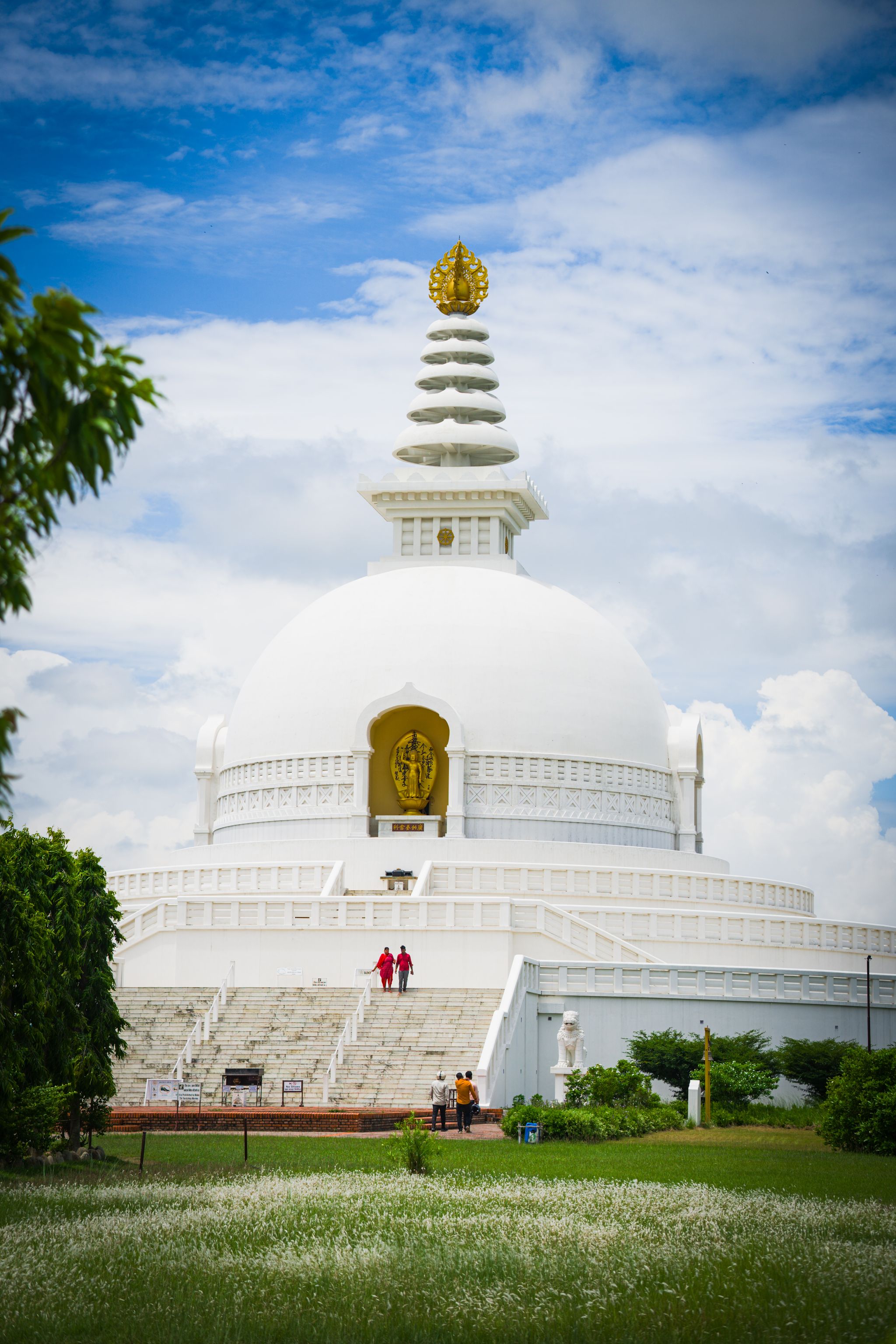
Rising at the northern end of the complex, this gleaming white stupa was built by Japanese Buddhists of the Nipponzan-Myohoji order as a monument to global peace. A golden statue of the Buddha sits in a niche facing the approach, and the surrounding meadows make it a favorite at sunrise and sunset. A nearby memorial honors a Japanese monk killed during its construction.

Monastic Zone (International Monasteries), Lumbini
5

Monastic Zone (International Monasteries)

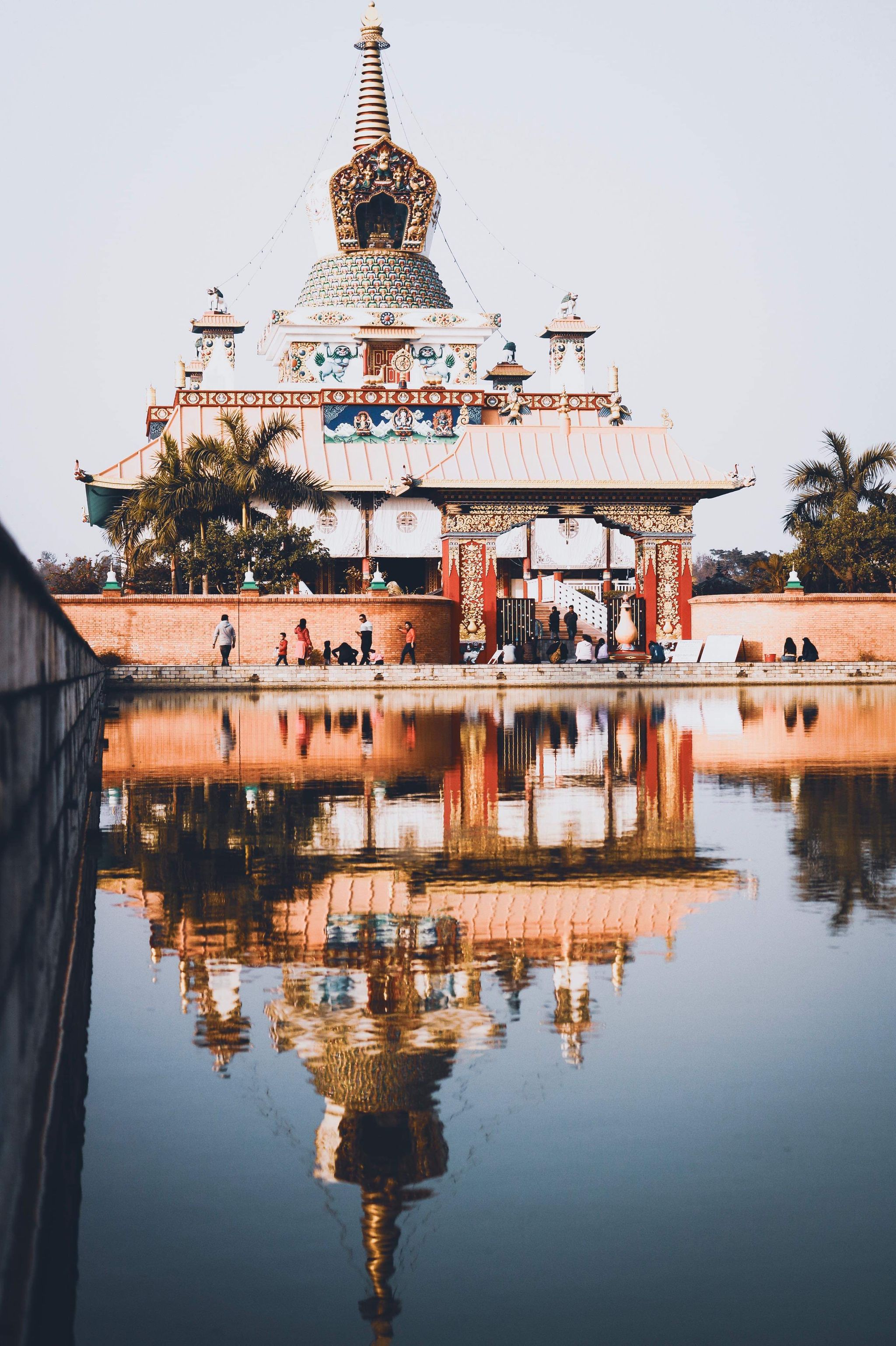
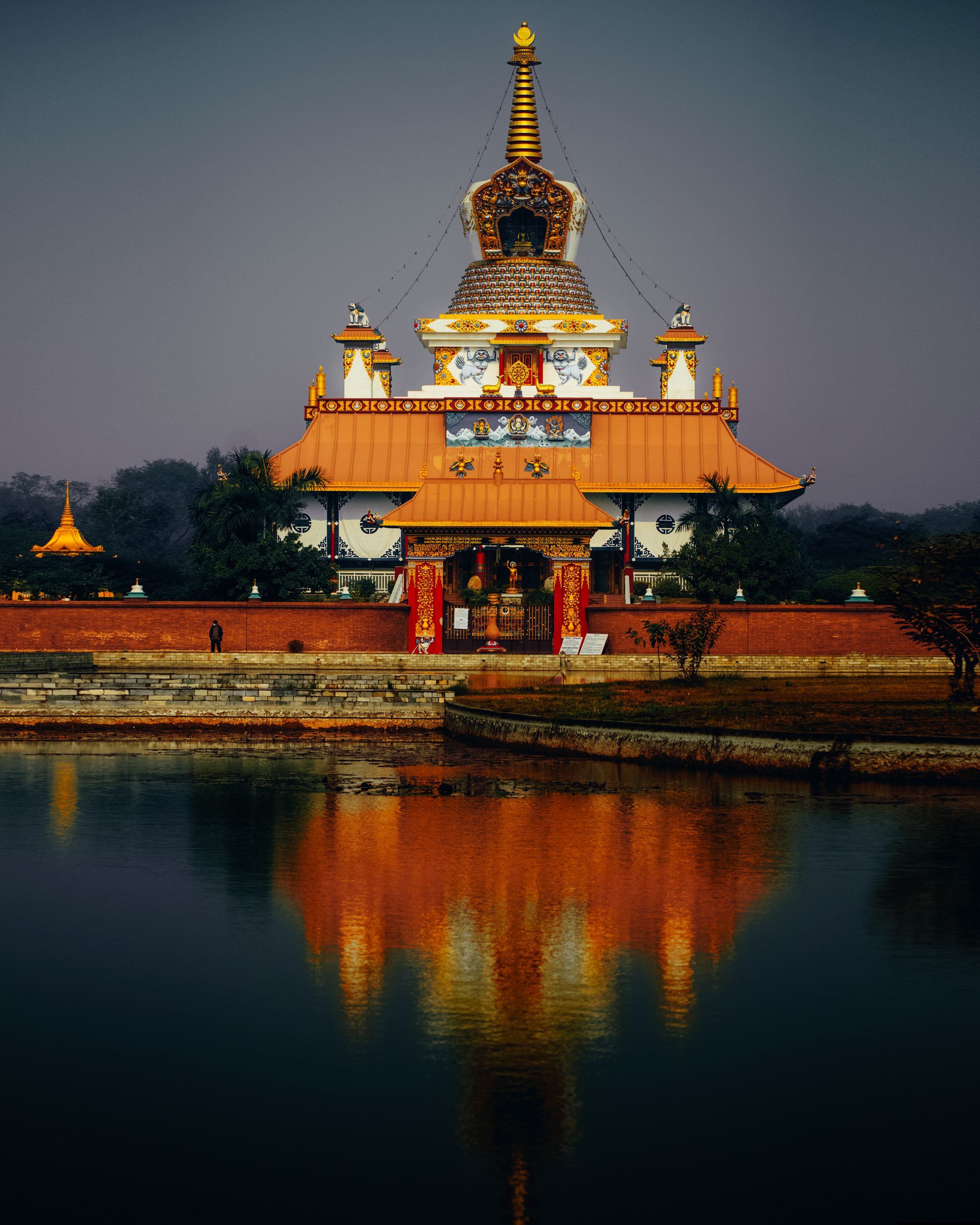
A vast planned zone, designed by architect Kenzo Tange, is divided into eastern (Theravada) and western (Mahayana) sectors connected by a central canal. Here dozens of countries have built monasteries in their own national styles, including the ornate German Drigung Kagyud Lotus Stupa, the Royal Thai Monastery, the Myanmar Golden Temple, and the China Temple. Wandering between them is like a single-afternoon tour of Buddhist architecture across Asia and beyond.

Eternal Peace Flame & Central Canal, Lumbini
6

Eternal Peace Flame & Central Canal

Lit in 1986 to mark the International Year of Peace, the Eternal Peace Flame burns continuously near the southern entrance and the head of the central canal. The kilometer-plus canal, sometimes called the Central Link, runs the length of the monastic zone and can be crossed by boat or walked alongside. The flame and canal axis frame the symbolic journey from the Sacred Garden toward the Peace Pagoda.