
"Is Nepal safe?" is the first question most travellers ask, and the honest answer is reassuring: Nepal is one of the safer countries you can visit, with very low violent crime and a culture of genuine hospitality. But "safe" does not mean "risk-free," and the real dangers are not the ones people usually worry about - so it's worth walking through what actually goes wrong, and the simple precautions that matter.
Crime: lower than you fear
Nepal has very little violent crime against tourists. Walking around Kathmandu, Pokhara or trekking villages - including after dark in normal areas - is generally fine. What exists is minor and opportunistic:
- Petty theft and pickpocketing in crowded tourist areas (Thamel, festivals, buses) - keep valuables zipped and out of sight.
- Mild scams - overpriced taxis without a meter, "friendly" guides or shop touts, gem/trekking-deal scams. Annoying, rarely dangerous. Agree prices upfront.
- Trekking-route theft is rare but possible in teahouses - don't leave cash or electronics lying around.
Use ordinary city common sense and you are unlikely to have any trouble.
The real risk: roads
This is the part most guides soft-pedal, so be clear-eyed: road accidents are the single biggest danger to travellers in Nepal. Mountain highways are narrow and winding, some buses are overcrowded and driven aggressively, and monsoon rain makes things worse.
How to reduce the risk dramatically:
- Take tourist buses or private vehicles, not cheap local buses, on long mountain routes.
- Avoid overnight road journeys where possible.
- Fly the long legs (e.g. Kathmandu–Pokhara is a 25-minute flight vs a 6–8 hour drive) when budget allows.
- Wear a helmet if you rent a scooter, and don't ride mountain roads inexperienced.
Altitude, not terrain, on treks
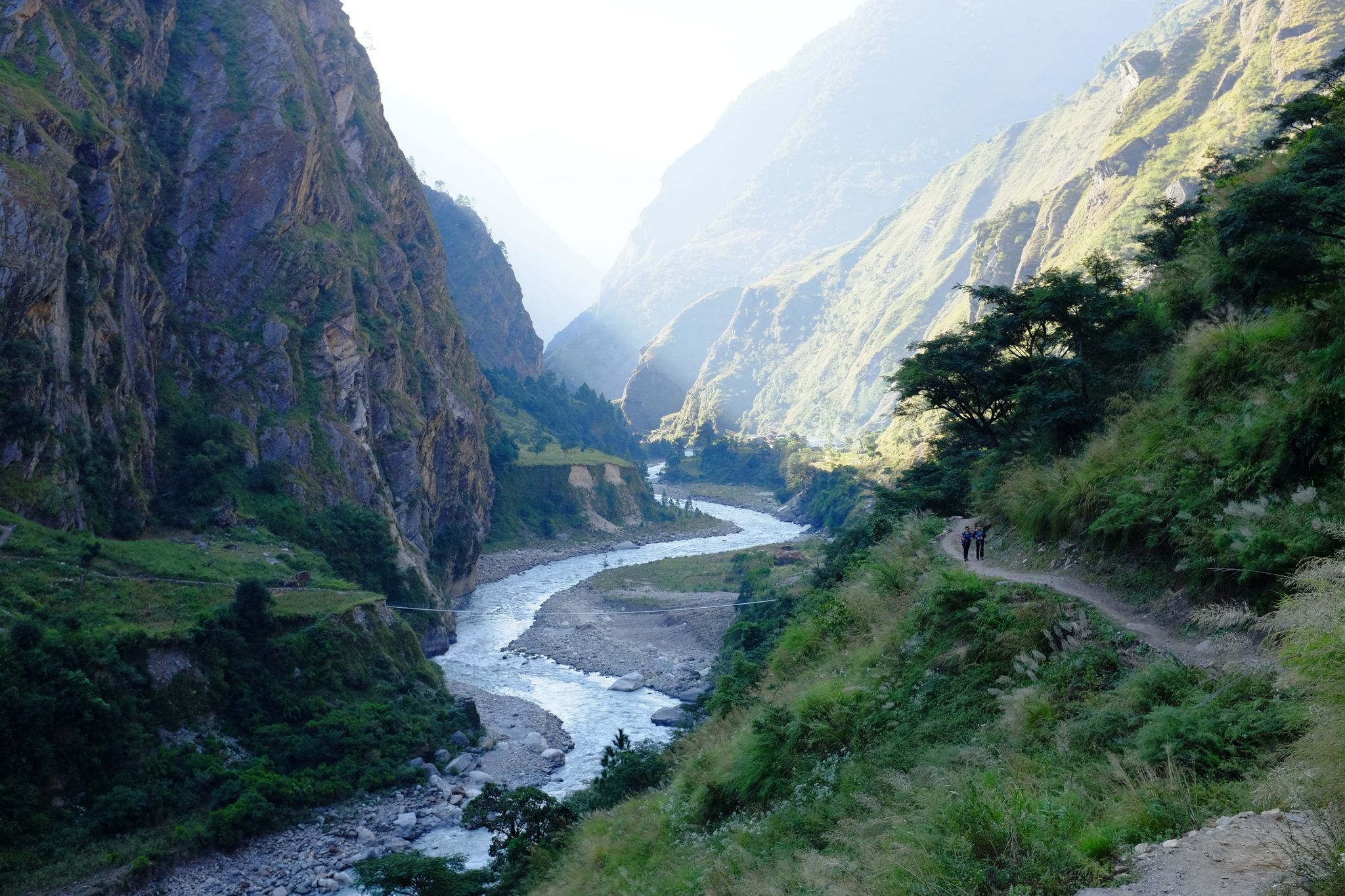
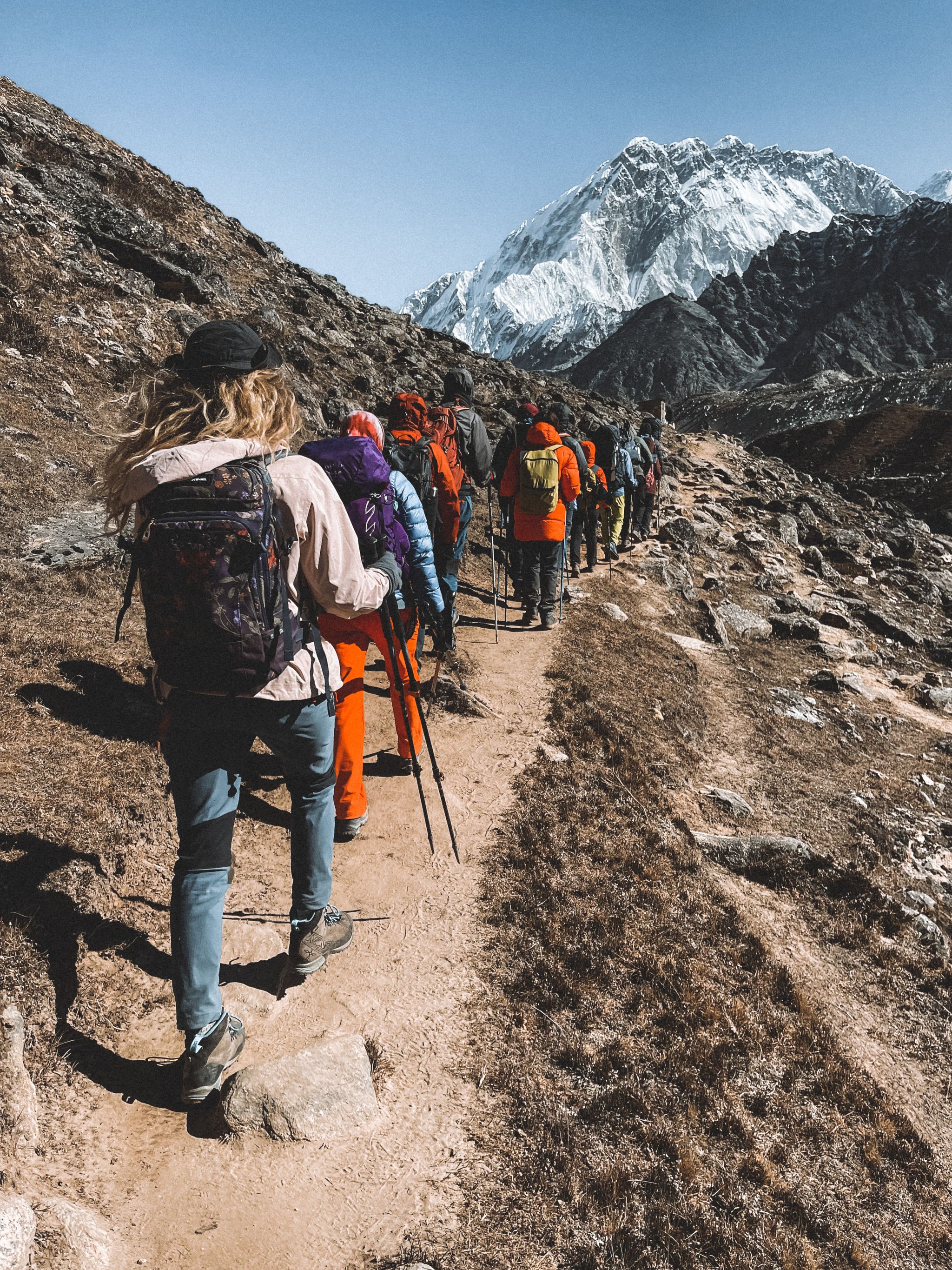
Trekking in Nepal is safe and hugely rewarding, but altitude sickness is the thing that hurts people, not falls or crime. The trails are well-marked, dotted with teahouses, and monitored by permit checkpoints. The rules that keep you safe:
- Ascend slowly and build in acclimatization days; "climb high, sleep low."
- Never continue up with worsening symptoms - descend.
- Carry travel insurance that covers helicopter evacuation to trekking altitude.
- Consider a licensed guide - for navigation, altitude judgement, and emergencies (and it supports the local economy).
Natural hazards
- Earthquakes - Nepal is seismically active; the 2015 quake was devastating, but the country has rebuilt and the statistical risk over a short trip is very low.
- Monsoon landslides and flooding - a real seasonal risk on mountain roads from June to September. Build in buffer days and avoid unnecessary long drives in heavy rain. See Nepal in June for monsoon-season travel.
- Air quality - Kathmandu's air can be genuinely unhealthy in the dry winter and pre-monsoon months; a mask helps if you have respiratory issues.
Health
The most common way to lose a few days in Nepal is an upset stomach, not an accident:
- Drink only bottled, filtered or purified water - never tap.
- Eat busy, freshly-cooked places; be cautious with raw salads and unpasteurised dairy.
- Carry a basic medical kit and any personal medication; pharmacies are good in cities.
- Get travel and altitude-appropriate insurance before you come.
Women travellers
Nepal is generally considered safe for women, including solo travellers, with the usual sensible precautions - dress modestly at religious sites, avoid isolated areas after dark, and trust your instincts. There are real nuances worth knowing, which we cover in depth in the solo female travel in Nepal guide.
Political stability
Nepal is a stable democracy, but occasional strikes (bandhs) and demonstrations can halt transport for a day. They are almost never aimed at tourists; the main impact is logistical. Keep your itinerary flexible and check local news if one is announced.
The bottom line
| Risk | Reality | Precaution |
|---|---|---|
| Violent crime | Very low | Normal city sense |
| Petty theft/scams | Minor | Agree prices, secure valuables |
| Roads | The main danger | Tourist buses, fly long legs, no night drives |
| Altitude | Real on treks | Acclimatize, insure, consider a guide |
| Earthquakes | Low for a short trip | Nothing special needed |
| Monsoon hazards | Seasonal | Buffer days, avoid heavy-rain drives |
| Stomach bugs | Common, minor | Purified water, careful eating |
Nepal is a warm, welcoming, fundamentally safe destination. Respect the mountains, choose your transport wisely, watch what you eat and drink, and the country rewards you with one of the great travel experiences on Earth. Start planning with the visa guide and the best time to come in October, or get oriented in Kathmandu.