
June is the hinge between Nepal's two faces. It opens under the last of the hot, hazy pre-monsoon season and closes with the monsoon properly arrived - green, wet, and quiet. For most of the country that means clouds where the mountains should be. But behind the Himalaya, in the high desert of Mustang and Dolpo, June is one of the best months of the year. Reading it right makes the difference.
The weather, region by region
Kathmandu Valley: hot and increasingly humid, highs of 28-30°C, with the first heavy afternoon and evening downpours building through the month. Mornings are often still dry and usable.
Pokhara: warm and lush, but the Annapurnas spend more and more of June hidden behind cloud. The lake is full and the hills are their greenest.
The Terai (Chitwan, Lumbini): the hottest part of Nepal in early June - frequently above 35°C with sapping humidity - before the rains take the edge off. Tall grass and rising rivers make Chitwan wildlife harder to spot.
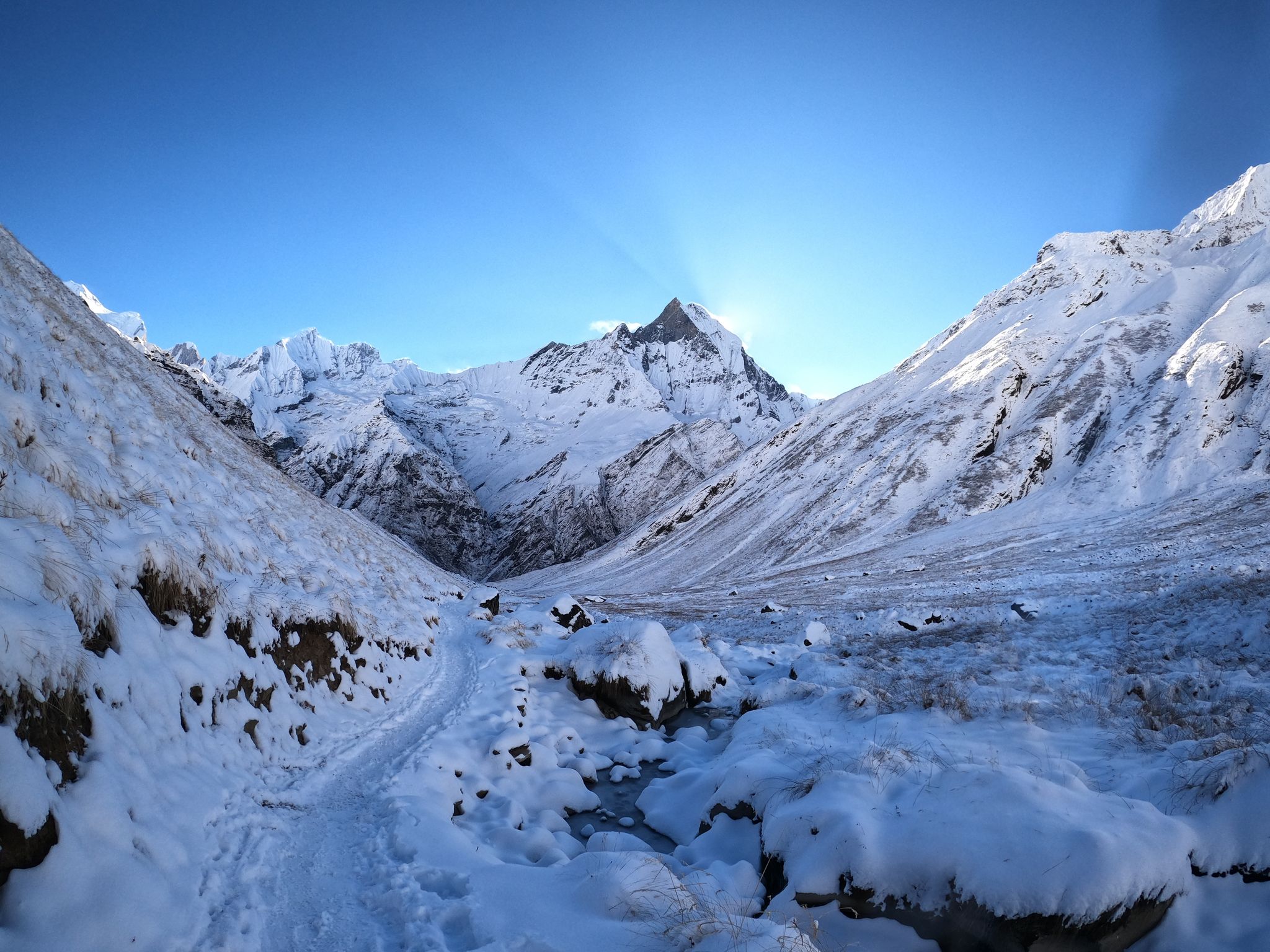
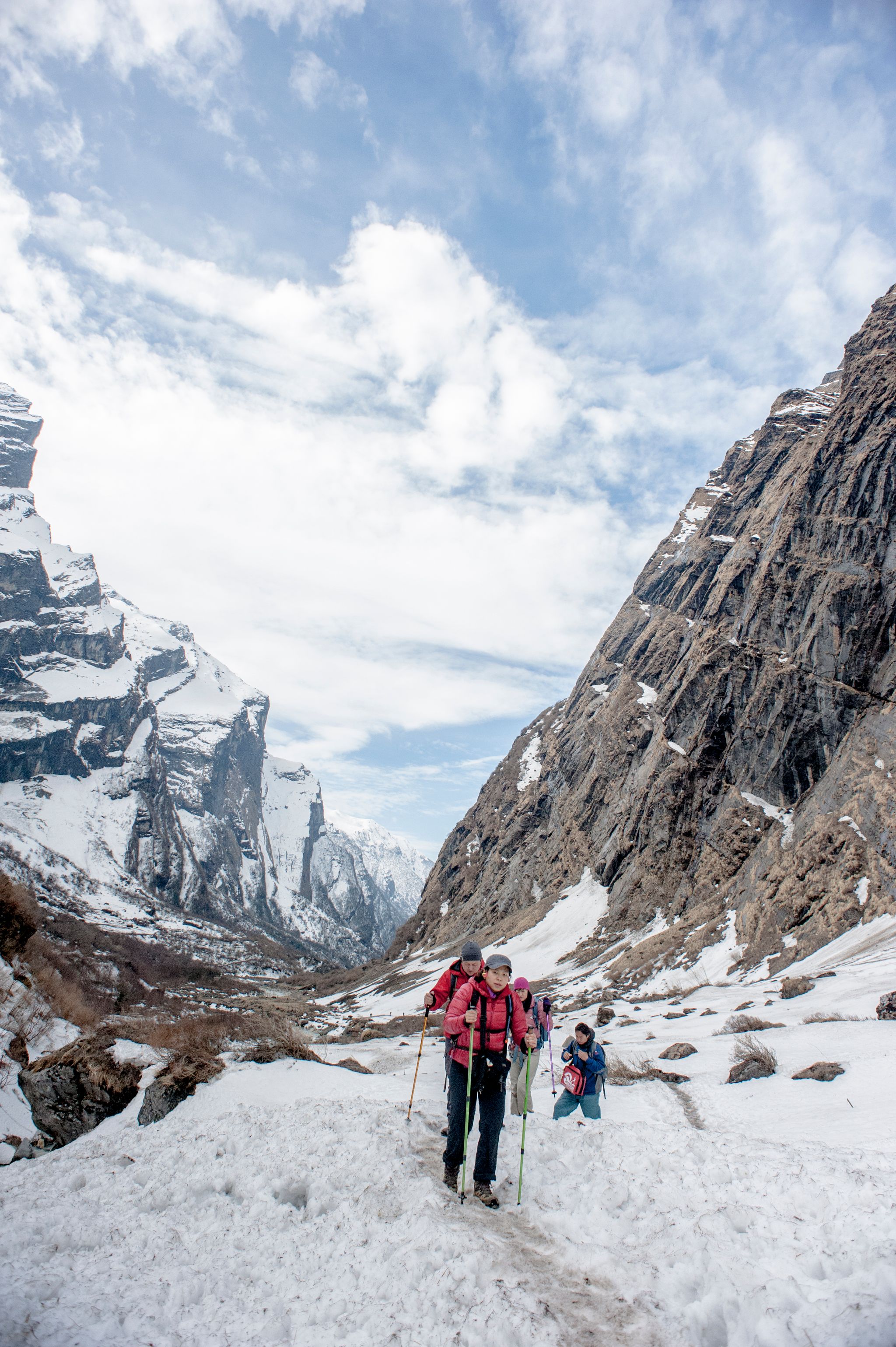
The high trails: the south-facing trekking regions catch the incoming monsoon. Expect rain, mud, leeches below 3,000 m, cloud-covered peaks, and unreliable flights to Lukla.
The rain shadow: north of the Himalayan crest, Upper Mustang and Dolpo get only a fraction of the rain. June there means warm days, open passes, and dry trails.
| Region | Early June | Late June |
|---|---|---|
| Kathmandu Valley | Hot, hazy, first storms | Humid, daily rain |
| Pokhara | Warm, peaks fading | Lush, mostly clouded |
| Terai (Chitwan) | Very hot and humid | Wet, rivers rising |
| South-facing treks | Cloudy, leech-prone | Wet, flight delays |
| Upper Mustang / Dolpo | Dry, warm, excellent | Still dry - prime season |
June's secret: the rain-shadow treks
The Himalaya is so high it wrings the monsoon dry before it reaches the far north. Upper Mustang - the old walled Buddhist kingdom of Lo, with its cave monasteries and eroded canyon country - and remote Dolpo are at their best while the rest of Nepal gets soaked. Trails are dry, the high desert light is extraordinary, and you will share them with very few other trekkers.
Both are restricted areas: Upper Mustang needs a special permit (around USD 500 for 10 days) and a registered guide, with a minimum group size. That makes June rain-shadow trekking a plan-ahead, higher-budget trip - but a uniquely rewarding one. See the trekking permits guide for how the restricted-area system works, and pack for big temperature swings using the Nepal packing list.
What June does better than any other month
- Lowest prices of the year. Hotels in Kathmandu, Pokhara and Lakeside discount heavily; bargaining works.
- Almost no crowds. Durbar squares, viewpoints and museums are nearly empty.
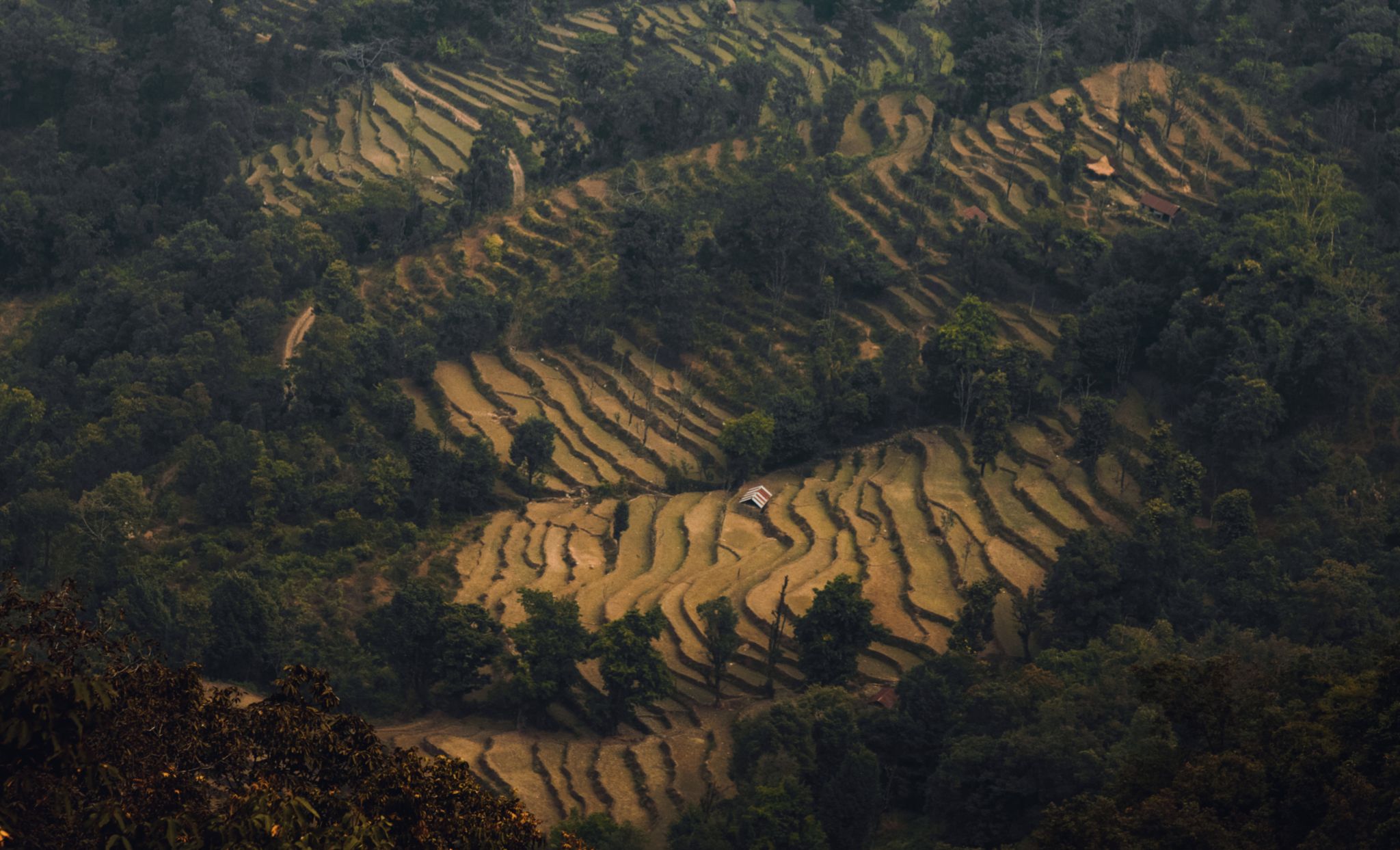
- The greenest landscapes. Rice planting begins, terraces flood and glow, and the hills are at their most saturated - a photographer's mood month between the storms.
- Mangoes and lychees flood the markets - a small but real seasonal pleasure.
What to skip in June
- Classic teahouse treks - Everest Base Camp, the Annapurna Circuit and Langtang are wet, viewless and leech-prone. If those are the point of your trip, come in October or spring instead.
- Mountain flights and Chitwan safaris - both are weak in June (cloud, and tall wet grassland).
A June itinerary that works
- Days 1-3 - Kathmandu Valley. Temples, museums and old towns are weather-proof; plan sightseeing for the drier mornings.
- Days 4-5 - Pokhara. Lake life, Davis Falls (thundering now), and cave visits between showers; details on the Pokhara guide.
- Days 6 onward - Upper Mustang (budget permitting). Fly to Jomsom and trek or jeep north into the rain shadow for the dry-weather highlight of the trip.
Travellers on a tighter budget can swap Mustang for a slow valley circuit - Patan, Bhaktapur, Kirtipur - and still see a green, quiet Nepal most autumn visitors never do.
Practical monsoon tips
- Pack a real rain shell, quick-dry layers and sandals you can wade in; leave cotton at home.
- Carry insect repellent below 2,000 m, and permethrin-treat socks if trekking the lower hills (leeches are harmless but grim).
- Build buffer days - early monsoon disrupts buses and Lukla flights, and highways occasionally close for landslides. Prefer flying the Kathmandu–Pokhara leg if your schedule is tight.
- Watch the calendar, not just the weather - the monsoon's exact arrival shifts a week or two each year.
June rewards travellers who do not need blue skies on demand: it is cheap, green, quiet, and - if you aim for the rain shadow - home to some of the best dry-trail trekking in the country. For the month-by-month bigger picture, compare it with the start of high season in September and peak October, or see the full best time to visit Nepal guide.