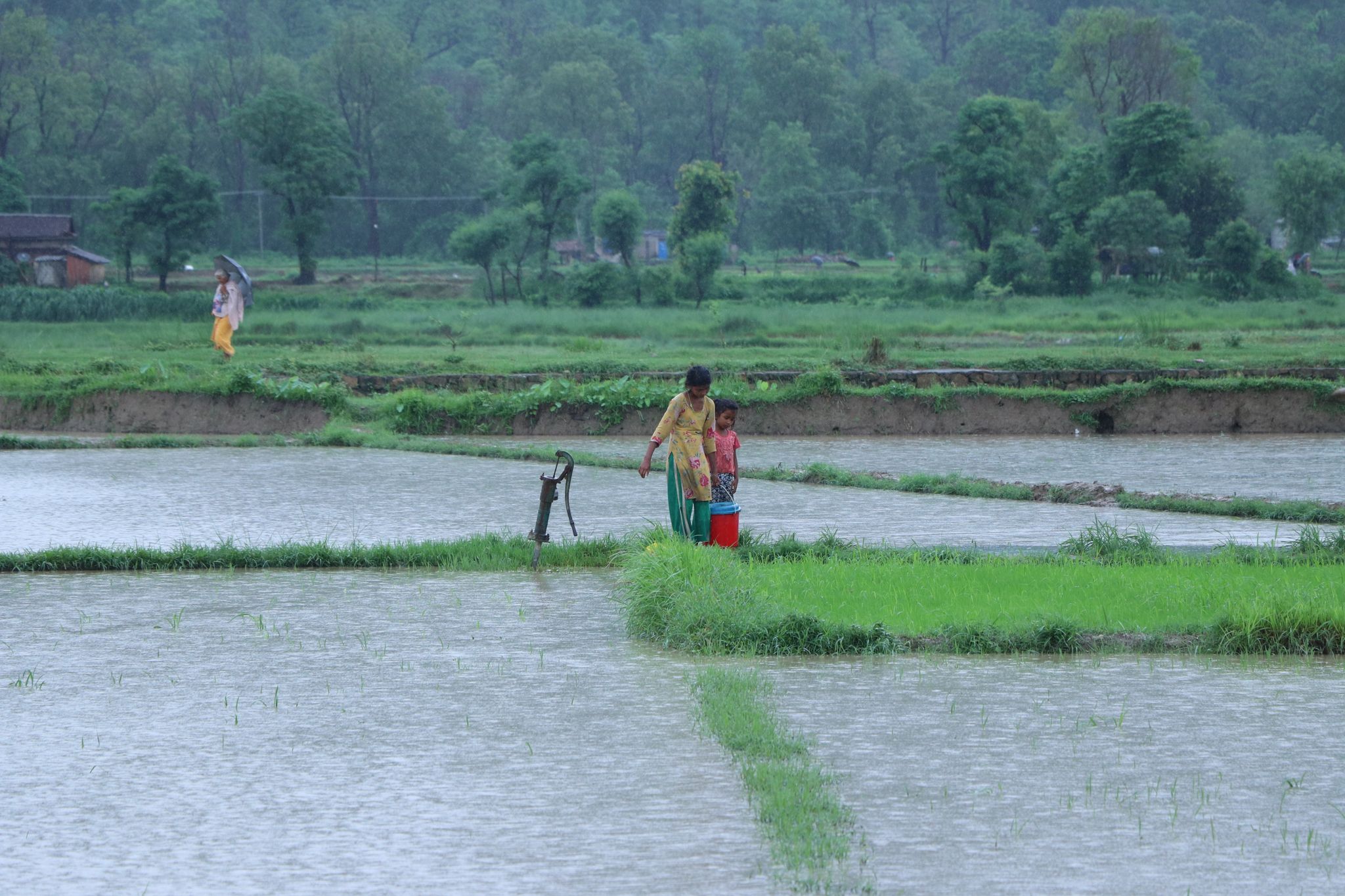
Every guidebook says the same thing about Nepal from June to September: don't. And every monsoon, travelers who came anyway ride green hills under dramatic skies, wander empty Durbar squares, and pay half price for the privilege. The truth sits in the middle: the monsoon closes some of Nepal and opens another Nepal entirely. This is the honest list - what genuinely works right now, what limps, and what to skip without guilt.
Works brilliantly: the rain-shadow treks
The Himalaya wrings the monsoon out before it crosses the main wall, so Upper Mustang and Dolpo sit in a rain shadow and hit their prime exactly now - dry trails, blooming high desert, open passes, and the year's most reliable access while the famous routes drown. If a monsoon trip must include a real trek, this is the answer (restricted-area permits required - how they work).
Works well: culture, cities, and the green season
- The Kathmandu Valley runs on a morning rhythm: Durbar squares, Patan's museum and courtyards, and Bhaktapur before the afternoon burst, cafes and museums after. Crowds are gone; photographs gain drama.
- Pokhara keeps its lakeside charm under mist - spa days, cafe afternoons, and the occasional shock of a clear dawn when the Annapurnas step out (couples love it cheap).
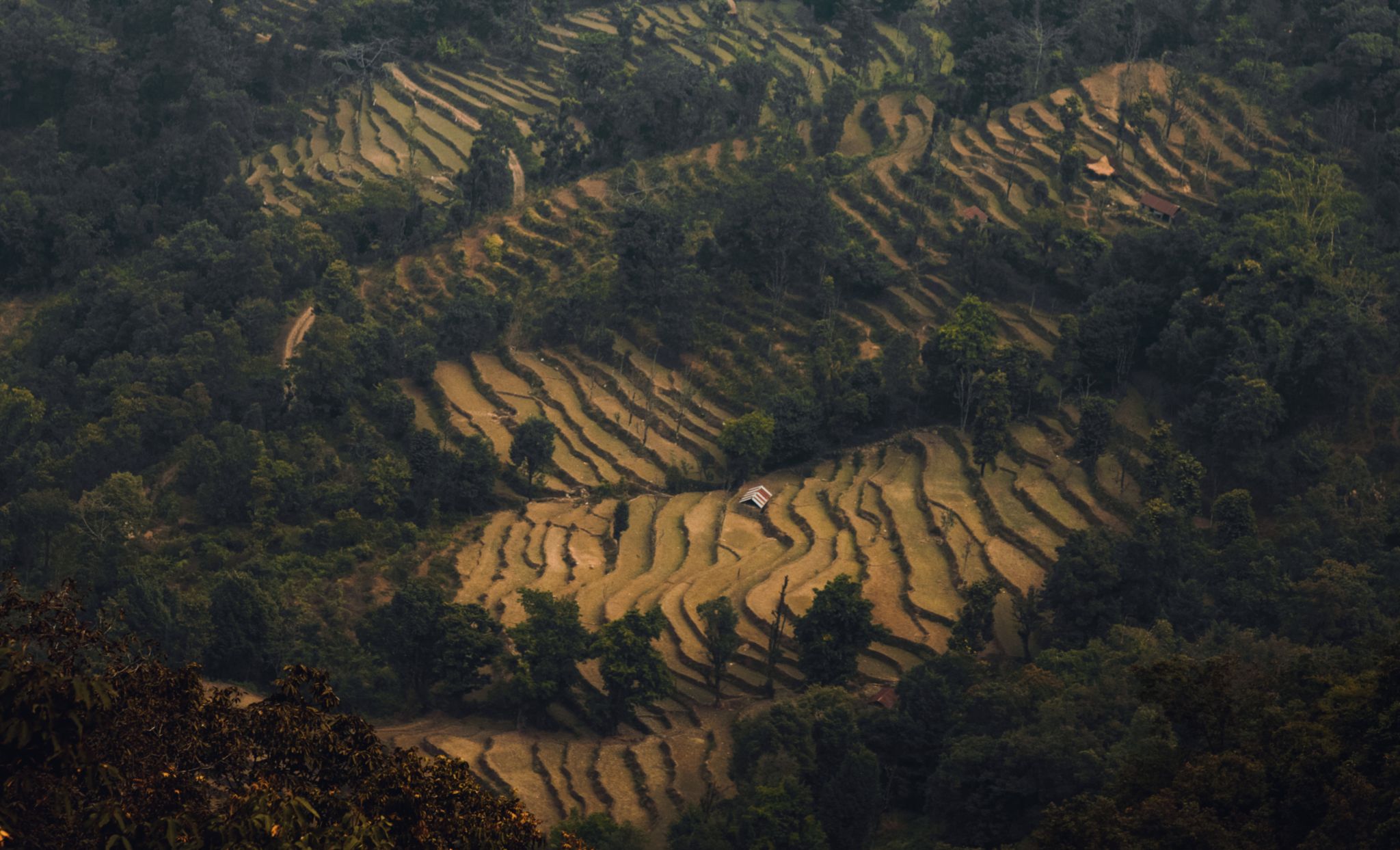
- Ropai season - this is the landscape's big performance: terraces flooded silver, whole villages planting rice in the mud through Asar (June-July), a working festival the tourist calendar never mentions.
- Budget travel peaks: hotels discount heavily, everything is negotiable, and the $30-a-day playbook runs closer to $22.
 Asar in the hills - rice planting is the monsoon's living festival
Works, with an asterisk
- Whitewater rafting runs its biggest, wildest water - thrilling for experienced paddlers on operator-selected sections (the rivers compared); beginners should wait for autumn's friendlier flows.
- Short valley-rim hikes (Nagarkot, Shivapuri, the Namobuddha trail) work between showers, with leech socks and low expectations of mountain views.
- Festivals arrive late-monsoon: Janai Purnima (the Gosaikunda pilgrimage, usually August), Gai Jatra's costumed processions, and Krishna Janmashtami - dates shift with the lunar calendar, so verify the current year (the festival picture).
- The Terai and Lumbini stay open but hot and sticky; go early-morning and shade the afternoons.
The monsoon's underrated pleasures
Beyond the headline activities, the season has textures worth naming. Empty famous places: you can stand alone at viewpoints and courtyards that queue in October, and hoteliers have time to talk. The food gets seasonal: corn roasting on street braziers, monsoon greens in the dal bhat, and hot chiya earning its keep (the tea ritual peaks in the rain). The waterfalls perform: every gorge and roadside cascade runs at full volume, and Pokhara's Davis Falls goes from trickle to thunder. And the kite season builds: by late monsoon, Dashain's kites start testing the winds over Kathmandu's rooftops - the city looking up before its biggest festival.
Skip without guilt
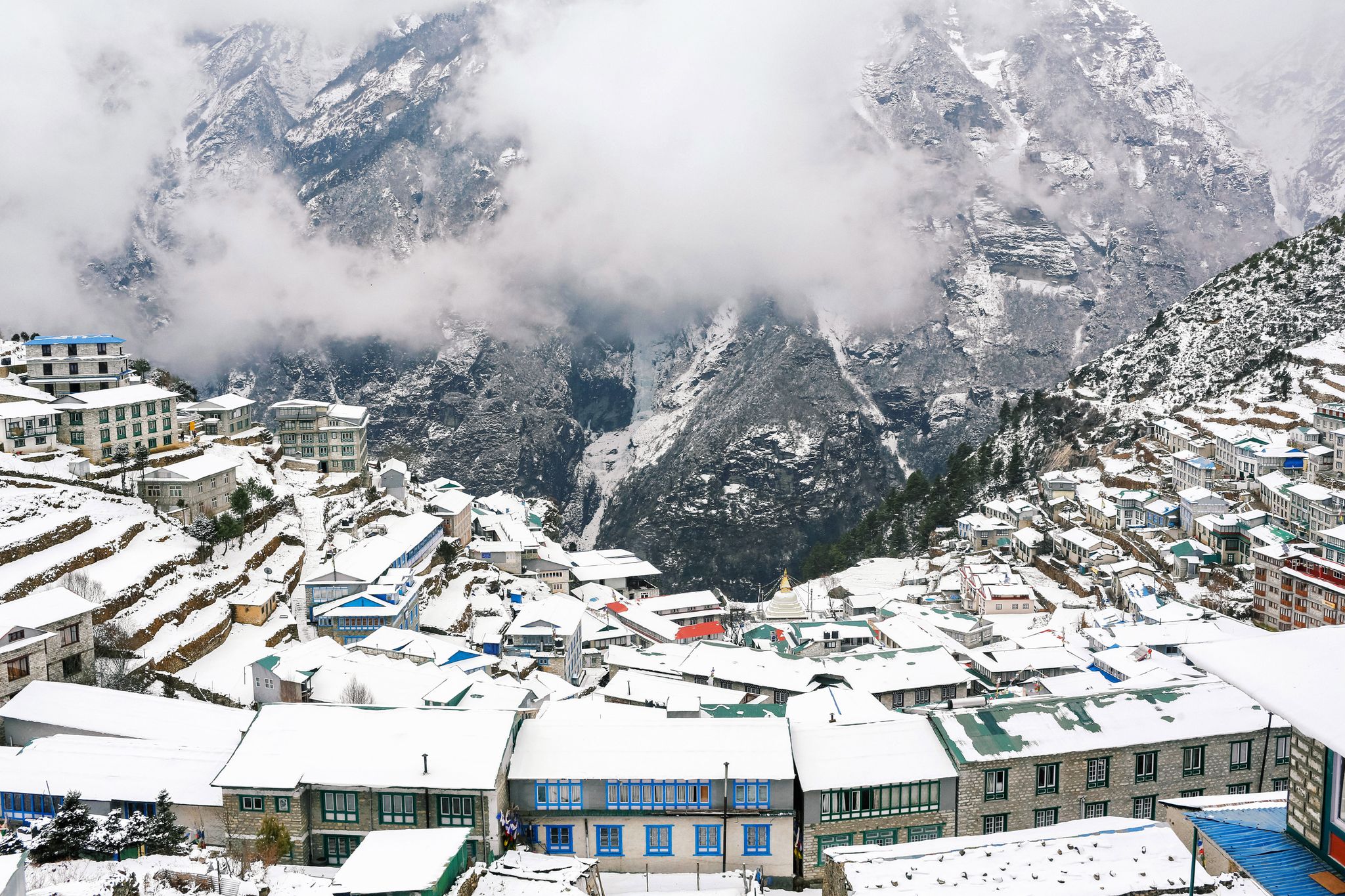
- The classic teahouse treks - EBC, Annapurna Circuit, Langtang: wet, leech-prone, viewless. They'll be transformed in October.
- Chitwan safaris - tall grass, high rivers, limited activities (why); the park is a different animal in the dry season.
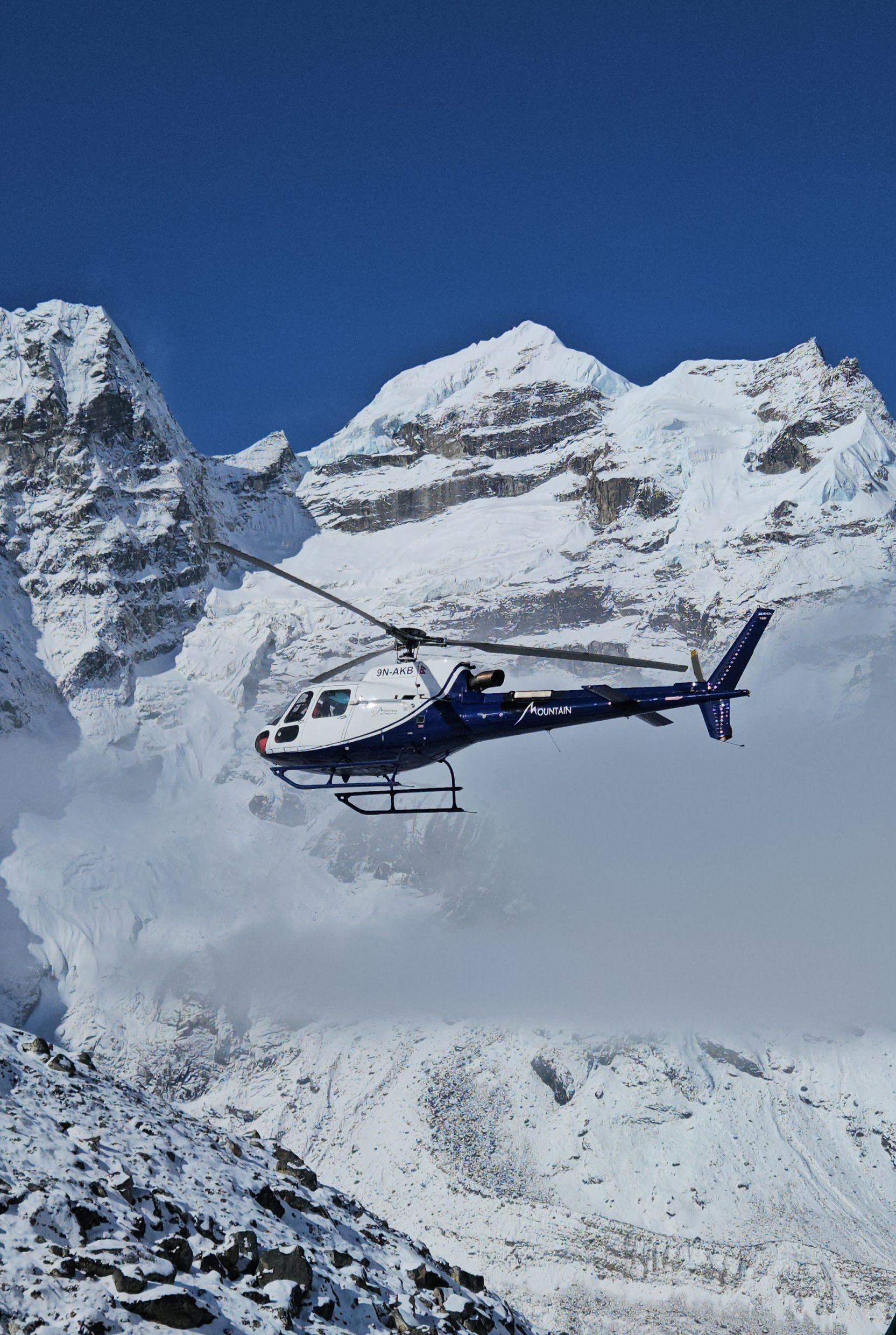
- Mountain flights and Lukla-dependent plans - cancellation roulette. If your itinerary needs a mountain flight to work, it isn't a monsoon itinerary.
A monsoon week that works
Proof by itinerary - seven days built for the season instead of against it:
| Days | Where | The monsoon version |
|---|---|---|
| 1-3 | Kathmandu Valley | Morning temples and museums, afternoon cafes; Patan on the wettest day |
| 4 | Fly to Pokhara | Skip the landslide-prone highway; lake mist evening |
| 5-6 | Pokhara | Dawn view-lottery, spa day, cave-and-waterfall circuit (Davis Falls actually roars now) |
| 7 | Back via Bandipur if driving | Cloud-theatre from the ridge |
Trekkers with budget and ten more days swap the back half for Upper Mustang. Photographers stay put: the green season is the portfolio season.
The green-season photography case
October's clarity is famous, but monsoon light is the photographers' secret: storm-washed evenings, terraces at maximum green, mist threading the middle hills, and dramatic skies that flat blue October never offers. The formula is patience - shoot the dry mornings, edit through the afternoon burst, and be ready when a clearing storm turns the valley gold. Ropai season adds working figures to every terrace composition. If your Nepal is about images rather than summit views, June-September quietly outperforms its reputation.
The monsoon survival kit
Rain shell (not a poncho-hope), quick-dry everything, sandals you can wade in, repellent, and leech awareness on any trail - the full list is in the packing guide. Watch roads more than skies: landslides close highways, so pad transfers with buffer days and prefer flying Kathmandu-Pokhara when schedules are tight (transport honestly).
The verdict
The monsoon is Nepal's contrarian season: wrong for peak-bagging postcards, right for culture, green-season photography, rain-shadow trekking, festivals, and budgets. Come with flexible mornings, indoor afternoons, and buffer days - and read the month detail in June, July, August, and September before you commit. The travelers who match the season to the trip come home converted; the full calendar context is in our best time to visit Nepal guide.