
August in Nepal is two stories at once. On the ground it is still monsoon - green, wet, quiet, cheap. On the calendar it is the planning month: everyone who wants the famous October weather is booking now. Travel in August, plan for October, or both - here is how the month actually works.
The weather
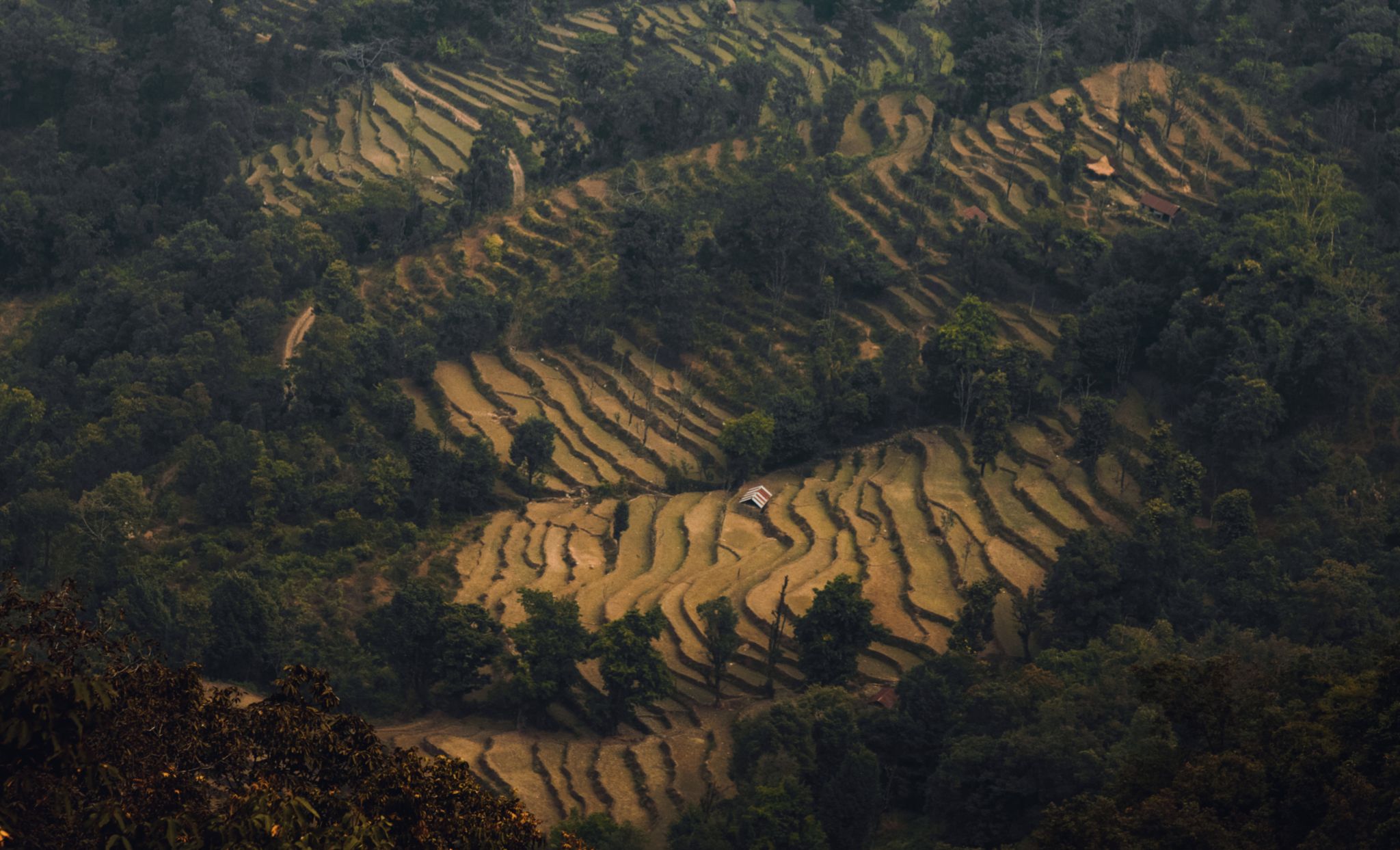
August opens as a continuation of July: humid lowlands, daily rain bursts (mostly afternoon and overnight), and clouds parked on the high peaks. Kathmandu sits around 27–29°C by day; Pokhara is warm and very wet; the Terai is hot and swollen with rivers.
The difference is the trajectory. By the second half of the month the systems weaken - rain windows shorten, mornings clear more often, and you can feel the season starting to turn. The monsoon's official exit is usually mid-to-late September, so August is the last full green-season month.
Festival season warms up
The lunar calendar usually places three notable festivals in August (in 2026, Janai Purnima falls on August 28 and Gai Jatra on August 29 - verify before planning around them):
- Janai Purnima - Hindu men renew the sacred thread; shamans and pilgrims trek to the holy lakes of Gosainkunda in Langtang (the full pilgrimage route is in our Gosaikunda trek guide). The associated food tradition, kwati (nine-bean soup), appears in every Newar kitchen.
- Gai Jatra - the Kathmandu Valley's most personality-filled festival: families who lost someone in the past year parade cows (or children dressed as cows) through the old towns, and by tradition satire, costume, and public mockery are licensed for the day. Bhaktapur's version is the most theatrical - see the Bhaktapur guide.
- Krishna Janmashtami - Krishna's birthday, at its most atmospheric at the stone Krishna Mandir in Patan Durbar Square, where devotees queue through the night.
For the bigger autumn blowouts that follow, read the Dashain & Tihar guide.
Traveling in August: what works
Rain-shadow treks. As in July, Upper Mustang and Dolpo sit behind the Himalayan wall and stay relatively dry - August is fully in their season. Permits and a registered agency are required; see the permits guide.
Culture-first itineraries. The Kathmandu Valley's museums, courtyards, and old towns work in any weather, and August's festival density gives city days a pulse that dry-season visitors miss. Pair morning sightseeing with afternoon cafe shelter - the Kathmandu guide and things to do list cover the essentials.
Budget travel. August keeps July's discounts: low-season hotel rates, easy walk-in availability, negotiable everything. A comfortable trip costs noticeably less than in October - numbers in the budget guide.
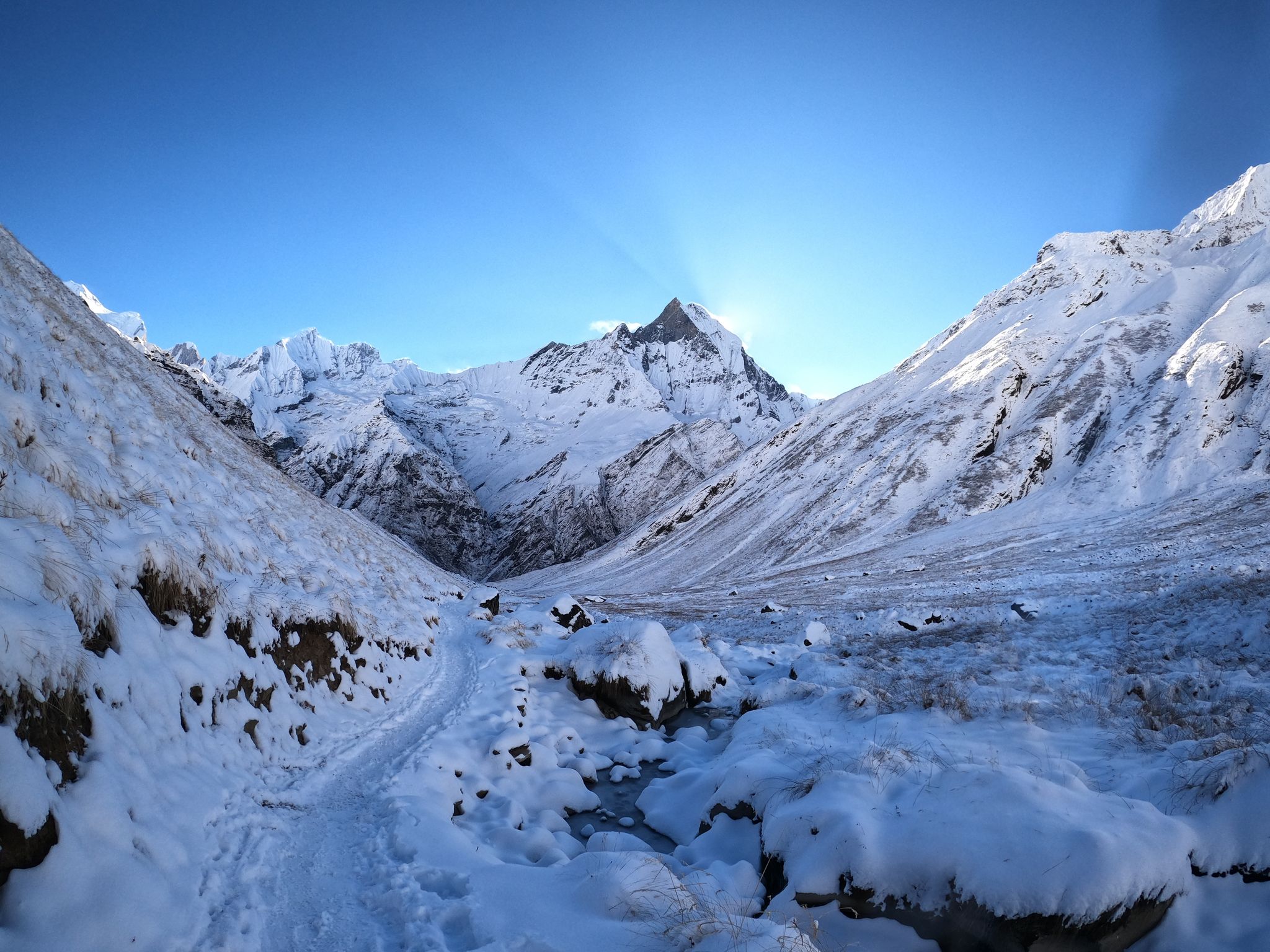
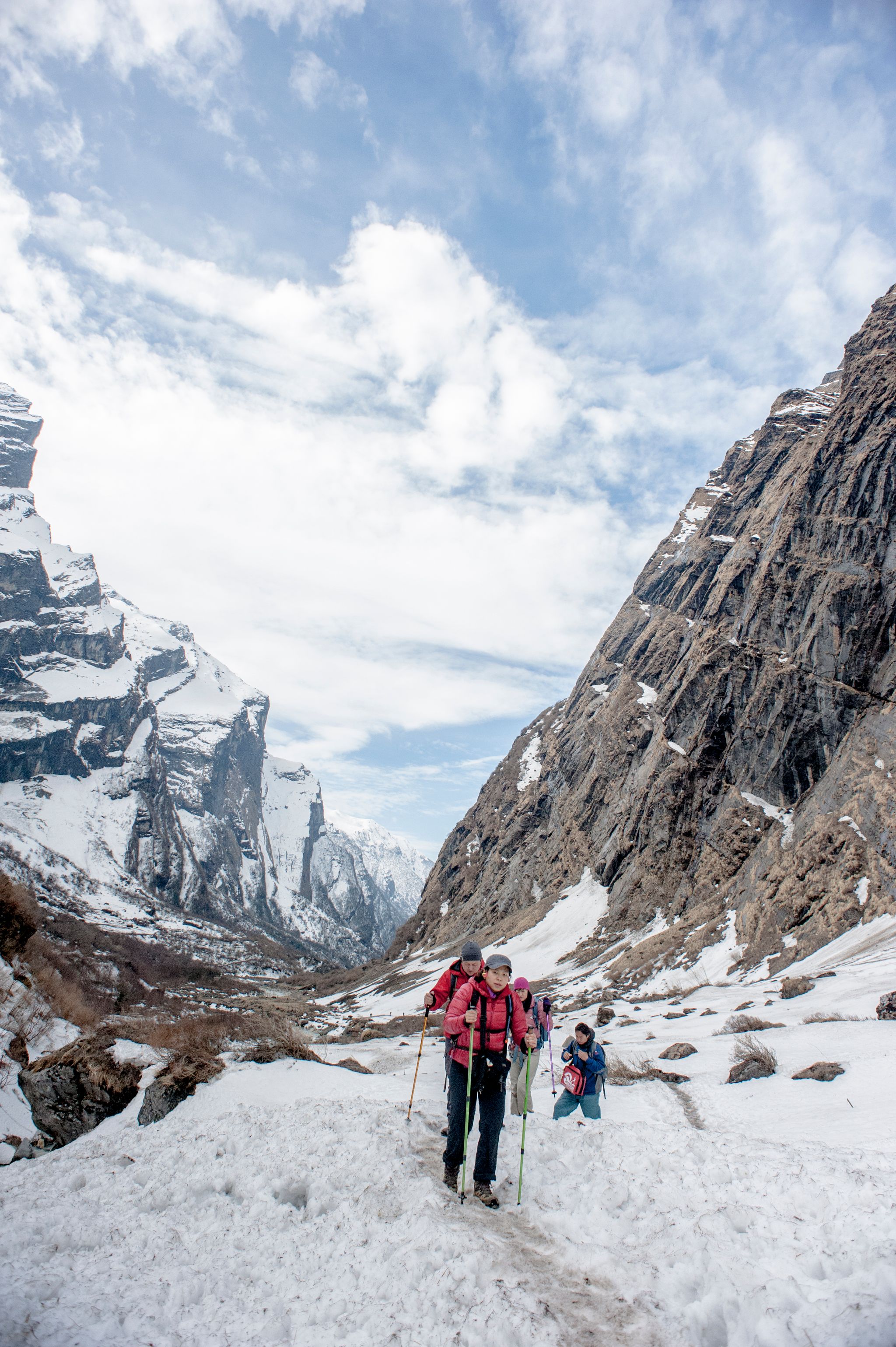
What to skip: the classic high treks (EBC, Annapurna Circuit, Langtang) remain wet and viewless until late September; Chitwan safaris stay limited by high grass and high rivers.
August's real job: book October
If you are reading this planning an autumn trip, August is your action window. The October peak (why October is the best month) sells out from the middle outward:
| Book in August | Why |
|---|---|
| Kathmandu–Lukla flights | The single tightest bottleneck of the season |
| Guides and porters | The good ones are reserved weeks ahead |
| Key tea houses (Namche, Dingboche, Ghorepani) | Best lodges fill first in Oct |
| International flights | Fares climb as Dashain travel demand stacks on tourist demand |
Dashain usually lands in October - it is wonderful to experience, but domestic transport around its peak days books out completely. Cross-check the festival dates when fixing your itinerary.
A sensible August plan
- Week 1–2 traveler: Kathmandu Valley culture + festivals, Pokhara lake days, optionally Nagarkot or Dhulikhel for cloud-break sunrises.
- Trekker with budget: fly Jomsom, jeep-and-walk Upper Mustang for 8–10 days of dry-trail high desert.
- October planner: lock flights, guide, and insurance now; assemble gear against the packing list while shipping times are friendly.
August asks for flexibility and rewards it with festivals, green hills, low prices, and the satisfaction of having your October trek booked before the rush. Shoulder-season Nepal starts here.