

Nepal is one of the last truly affordable great destinations — a country where USD 50 a day buys genuine comfort and USD 25 buys adventure. But budgets get wrecked by the things first-timers do not anticipate: domestic flights, permit stacks, and the cash-only economy above 2,000 meters. Here are the real numbers.
Daily budgets at a glance
| Backpacker | Mid-range | Comfort | |
|---|---|---|---|
| Sleep | $5–15 guesthouse/hostel | $25–60 hotel | $80–200+ boutique/5★ |
| Food | $5–10 local eateries | $15–25 mix | $30–60 restaurants |
| Local transport | $1–5 buses/walking | $10–20 taxis | $30–60 private car |
| Activities | $0–5 | $10–30 | $50+ guided |
| Per day | $20–30 | $50–80 | $120–200+ |
All figures exclude international flights and the big-ticket items below.
What things actually cost (2026 ballparks)
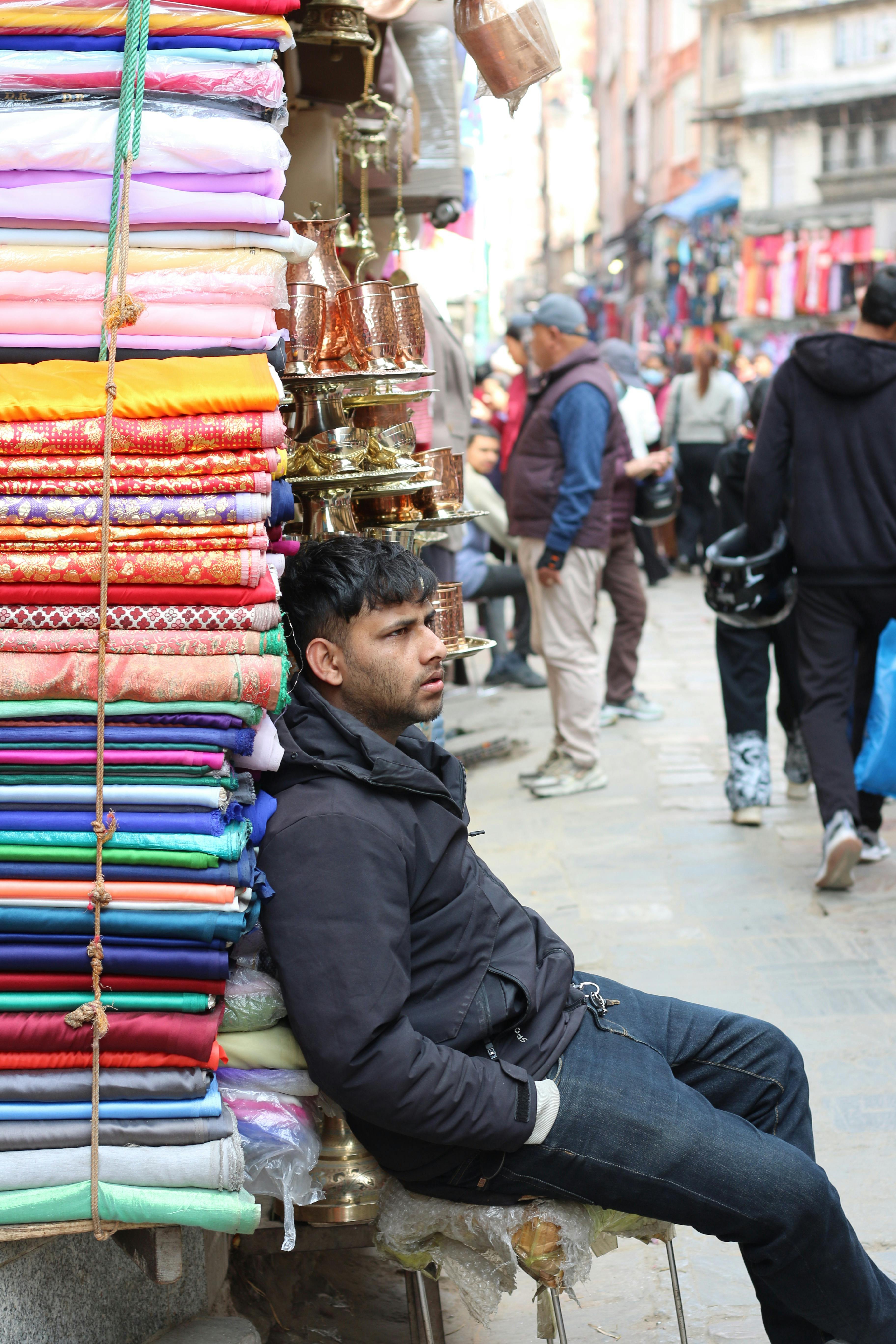 Kathmandu market life — everyday prices stay low, and gentle bargaining is expected in markets
Sleeping
- Thamel/Lakeside hostel dorm: $4–8
- Clean private guesthouse double: $12–25
- Solid 3-star hotel: $30–60
- Heritage/boutique hotels: $80–150 (and a wave of new luxury hotels is pushing the top end higher — comfort-tier travelers should see the older-travelers guide for which upgrades actually matter)
- Tea house room on trek: $3–8 (with the expectation you eat where you sleep)
Eating
- Dal bhat at a local place: $2–4 (refills included — "dal bhat power, 24 hour")
- Plate of momos: $1.50–4
- Tourist-restaurant main: $5–9
- Espresso coffee: $2–3.50
- Beer in a restaurant: $3–5 (alcohol is taxed heavily relative to food)
- On-trek meals: $4–8 per dish, rising with every 500 m of altitude — food porters carry everything up
Moving
- Kathmandu–Pokhara tourist bus: $10–25
- Kathmandu–Pokhara flight: $100–130 (foreigner pricing)
- Kathmandu–Lukla round trip: ~$400
- Kathmandu taxi across town: $3–6 (negotiate or insist on the meter)
- Local city bus: under $0.50
Doing
- Kathmandu Durbar Square entry: ~$8; Bhaktapur: ~$15
- Trekking permits: $40–50 for the standard routes
- Trekking guide: $25–35/day; porter: $18–25/day
- Paragliding in Pokhara: $80–110
- Chitwan 2-night package: $120–250 mid-range, all-in
- Everest mountain flight: ~$230
Budgeting the big experiences
A standard 2-week trip (itinerary here) lands around:
- Backpacker: $700–900 total
- Mid-range: $1,200–1,800
- Comfort: $2,500+
Everest Base Camp specifically runs $1,200–1,800 independent or $1,400–2,500 packaged — full breakdown in the EBC guide. The Lukla flight alone is a third of an independent budget.
The cash rules
- Trekking regions are 100% cash. Withdraw everything in Kathmandu or Pokhara. The Namche ATM exists; relying on it is how people end up borrowing money from strangers.
- ATMs dispense max NPR 35,000 per transaction (~$260) with a ~NPR 500 fee — make fewer, larger withdrawals.
- Carry small bills. Nobody on a mountain has change for a 1,000-rupee note, and taxi negotiations end better when you can pay exactly.
- USD cash is useful for the visa and as emergency backup; everything else is rupees.
Where money quietly leaks
- Altitude surcharges: a $2 phone charge here, a $4 hot shower there, $5 Wi-Fi — above 4,000 m these add $10–15/day. Budget for them rather than resenting them; diesel and yaks carried everything up.
- "Foreigner pricing" on domestic flights and site entries is official and unavoidable — build it in.
- Festival season transport (around Dashain/Tihar — guide) books out; last-minute options cost more.
- Bottled water at $1–4/bottle: bring purification instead (packing list) and save $50+ over a trek while skipping the plastic.
Money-saving moves that don't hurt
- Eat dal bhat once a day — unlimited refills, proper nutrition, lowest price on every menu.
- Take tourist buses between cities and save flights for the routes where roads are brutal.
- Trek slightly off-peak (late November, early March) for discounted rooms and quieter trails.
- For rock-bottom prices, travel in the green season — hotels discount up to half in the monsoon months (July and August), and culture-focused trips still work well.
- Negotiate gently and smile — for taxis, souvenirs, and off-season hotels it is expected; for food and tea houses it is not.
Nepal rewards every budget level with the same mountains. Backpackers should read the dedicated $30-a-day playbook; plan the cash logistics with our money in Nepal guide (ATMs, exchange, tipping), fit the budget into the bigger picture with the plan your Nepal trip guide, pad 10% for the leaks, and the country will feel like the best value on Earth.


