
There's a persistent myth that Nepal is a young backpacker's country - all dorm beds and 5,000-metre passes. The reality on the ground: older travelers are everywhere in Nepal, walking the Poon Hill steps at their own steady pace, being fussed over in teahouses, and generally having a better-planned trip than the twenty-somethings. Nepali culture venerates age - expect the honorifics didi/dai to give way to warm deference - and the country's comfort ceiling has risen dramatically. Here's how to design Nepal comfort-first, at 60, 70, and beyond.
The five design rules
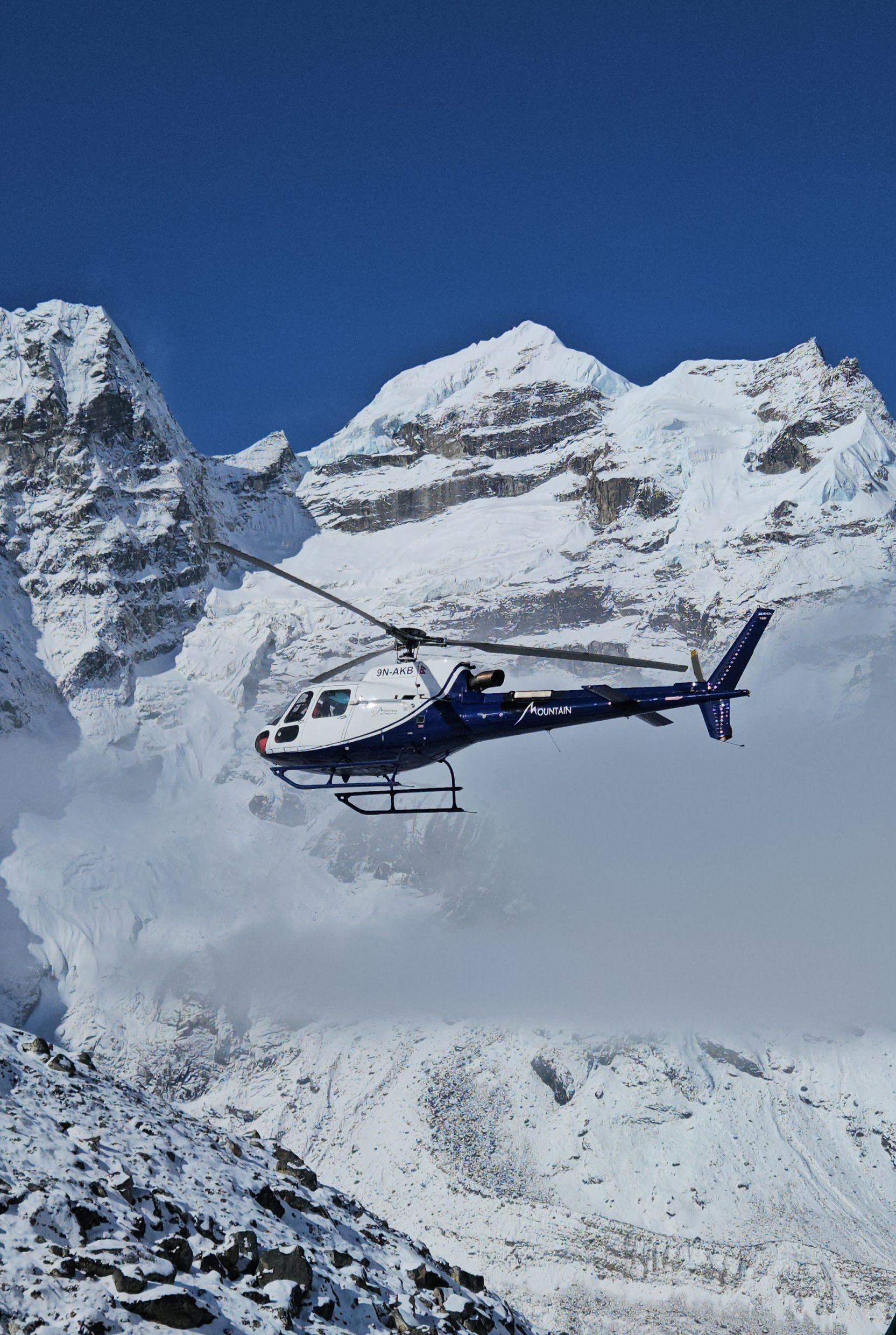
- Fly over the worst roads. The Kathmandu-Pokhara flight (25 minutes) replaces 6-8 winding bus hours - the single best comfort purchase in Nepal (transport options).
- One anchor activity per day. Mornings for sights, afternoons for gardens, tea, and rest - Nepal rewards the unhurried, and its tea culture exists for exactly this rhythm.
- Respect altitude conservatively. Stay under ~3,500 m unless medically cleared and experienced; ascent rate, not age, is the risk - but pre-existing conditions change the maths (the full altitude picture).
- Buy the upgrades that matter: private car with driver, better hotels (the new wave is genuinely comfortable), a porter on any walk.
- Insure properly, early - evacuation cover, honest declarations, real altitude limits (insurance guide).
Gentle treks that earn their views
| Walk | Days | Max altitude | Why it suits |
|---|---|---|---|
| Australian Camp overnight | 1-2 | 2,060 m | One short climb, dawn panorama |
| Ghandruk loop | 2-3 | 1,940 m | Village lodges, short stages |
| Poon Hill | 4-5 | 3,210 m | The classic, at your pace |
| Nagarkot & valley-rim trails | 1 | 2,175 m | View hotel + easy paths |
 Village lodges like Ghandruk's put real beds and hot meals a gentle half-day apart
The formula: porter for the bags, guide for the judgment, poles for the knees (guide-vs-no-guide), stages capped at 3-4 hours, and a rest day whenever wanted. Descents punish knees more than climbs punish lungs - train downhill beforehand and cherish the poles. Teahouse culture treats older walkers royally; the beginners' guide covers the trail basics.
A comfort-first 12-day itinerary
- Days 1-3 - Kathmandu Valley, gently: Boudhanath's flat kora, Patan's museum (benches, shade, excellence), private car to Bhaktapur.
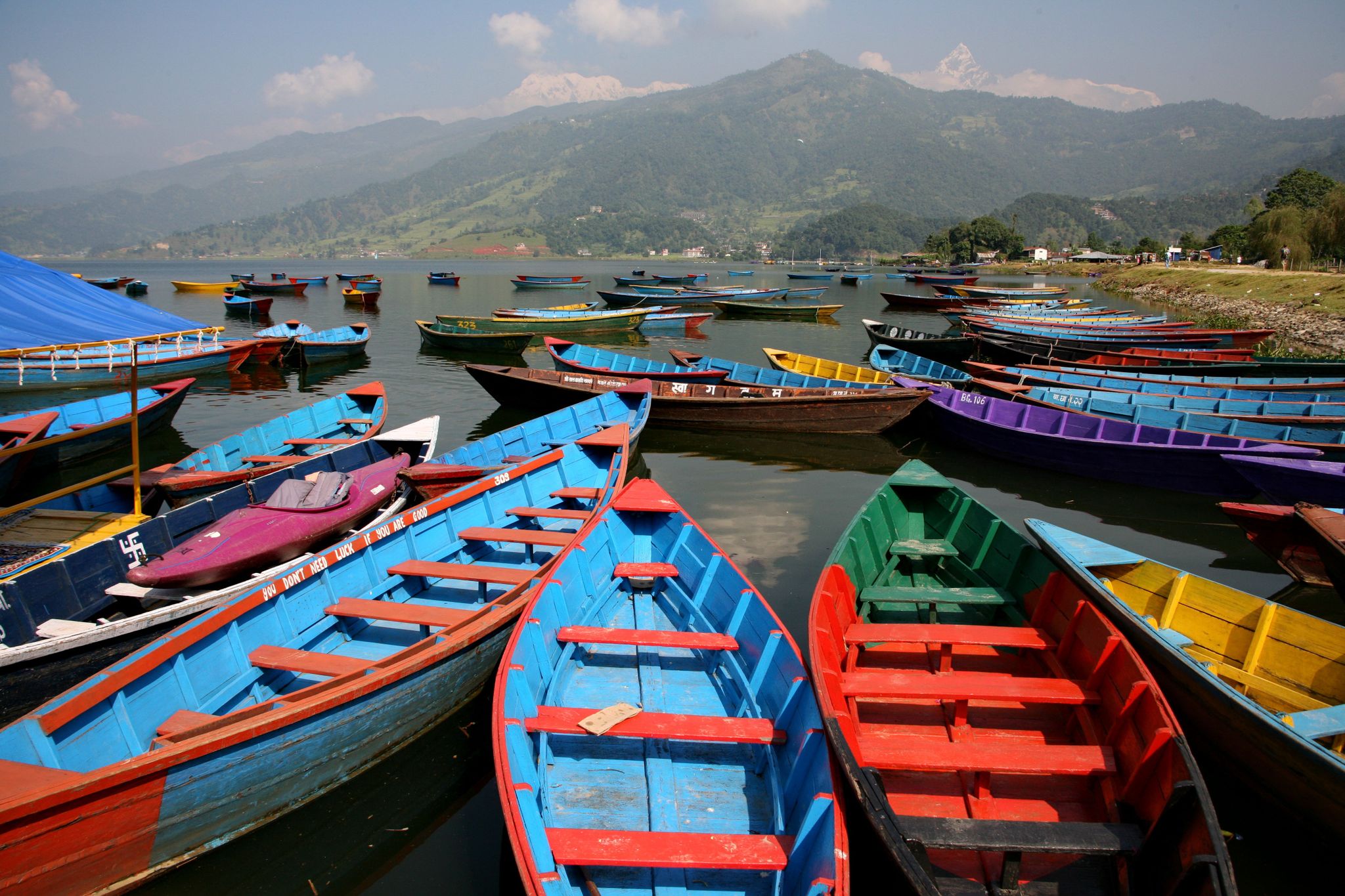
- Day 4 - fly to Pokhara: lake by private boat, lakeside dinner.
- Days 5-7 - Pokhara slowly: Sarangkot sunrise by car (no climb needed), mountain museum, spa afternoon.
- Days 8-9 - optional gentle walk: Australian Camp overnight with porter - a real Himalayan lodge night without a real climb.
- Days 10-12 - Chitwan by jeep: safaris are sit-down adventure; lodges at the comfort end do it graciously (choosing the park).
Swap Chitwan for Nagarkot and valley day trips (the menu) if lowland heat is unwelcome.
What the comfort upgrades cost
The gap between a hard trip and a graceful one is surprisingly small money (verify current rates):
| Upgrade | Rough cost | What it buys |
|---|---|---|
| KTM-Pokhara flight (vs bus) | ~USD 100-130 | Saves 6-8 winding hours |
| Private car + driver, per day | ~USD 40-70 | Your schedule, your stops |
| Porter on a trek, per day | ~USD 18-25 | Walking with just a daypack |
| 4-star hotel (vs guesthouse) | +USD 40-80/night | Elevators, gardens, reliable everything |
Even taking all four, a comfort-first Nepal trip undercuts equivalent destinations dramatically - the budget guide has the full tiers.
Solo, coupled, or with the family
Older solo travelers do well here - the culture's deference makes striking up help easy, and a private guide doubles as company worth every rupee. Couples get the honeymoon infrastructure at any age (Pokhara's romance has no age limit). And the fastest-growing pattern is multi-generation trips - grandparents, parents, kids - for which Nepal is quietly ideal: the same triangle that works for kids works for their grandparents, with the comfort upgrades bridging the gap.
Health practicalities, honestly
- Pre-trip medical review if you carry heart, lung, blood-pressure or joint conditions - and carry doubled prescriptions in hand luggage with a doctor's letter.
- Pharmacies are everywhere in cities and genuinely helpful, but bring what you trust (packing list).
- Stomachs need the same rules at every age - but consequences bite harder, so apply the food and water discipline strictly and pack ORS.
- Kathmandu's serious hospitals (and evacuation insurance) are the backstop; remote areas are hours from care - another argument for the classic triangle over the frontier.
- Pace beats bravado. The travelers who struggle are rarely the oldest - they're the ones of any age who schedule like they're 25.
Why it's worth it
Nepal repays age with interest: the culture meets you with respect, the pace suits contemplation, and the experiences that matter - dawn igniting the Annapurnas, the kora at Boudhanath, tea while the terraces glow - ask nothing of your knees. Ask returning travelers in their seventies and they'll tell you the same thing: they wish they'd stopped assuming Nepal was for someone younger, sooner. Design it comfort-first with our plan your Nepal trip hub, time it for the gentle seasons (October-November or spring), and let a country that honours its elders honour you.