Travel insurance is the one purchase no Nepal trekker should skip - and the one most likely to be bought wrong. A standard policy often won't cover the altitudes you'll actually reach, and the single most likely big expense, a helicopter evacuation, may be excluded entirely. Getting it right is simple once you know what to check. Here's what trekkers in Nepal actually need.
Why it matters more here
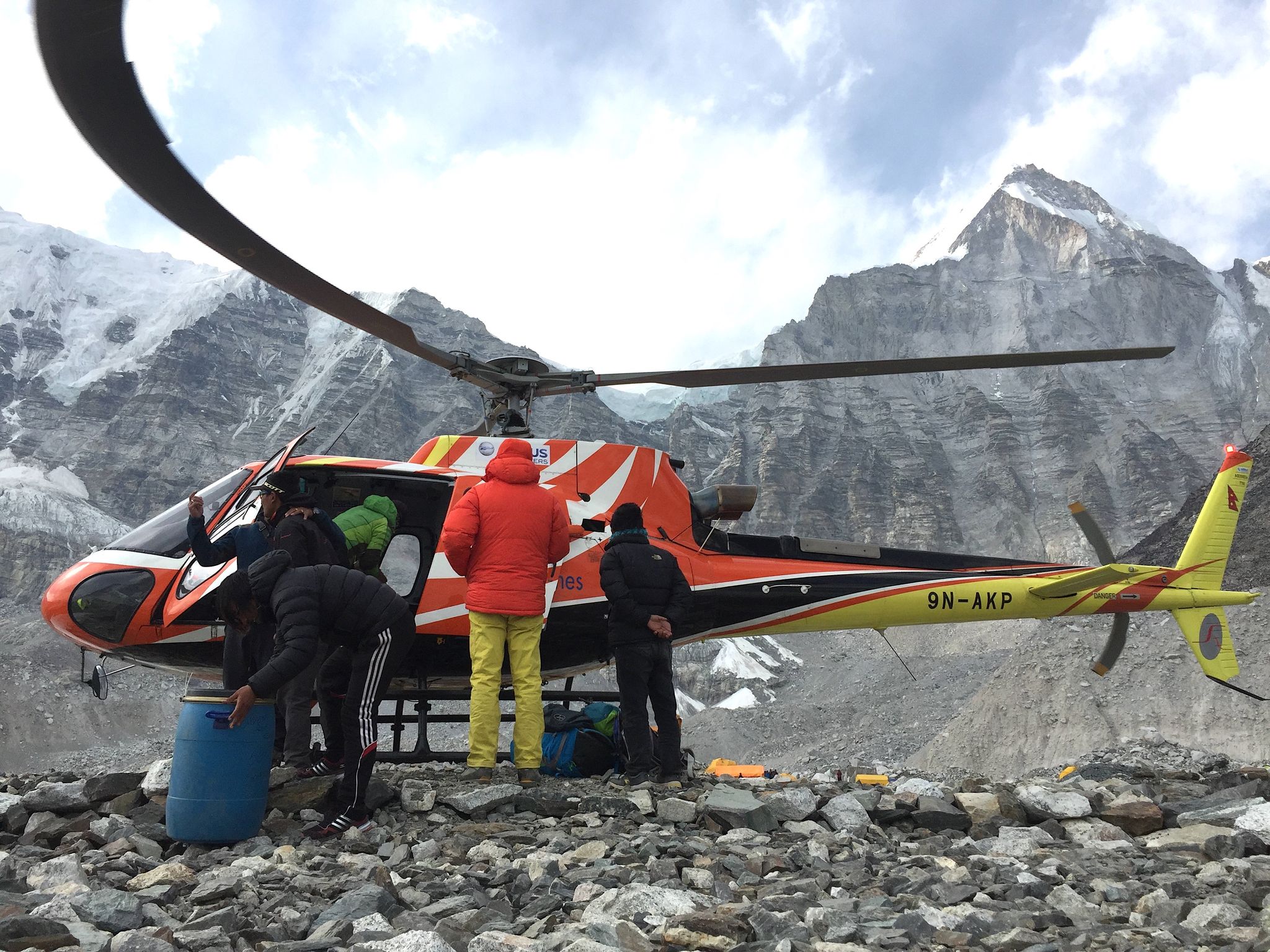
Nepal combines remote terrain, real altitude, and limited road access. If something goes wrong high on a trek - a bad case of altitude sickness, an injury, a serious stomach bug - the way out is often a helicopter, and a rescue plus hospital treatment can run into thousands of dollars. Crucially, operators frequently require a guarantee of payment before they launch, which is exactly what good insurance provides. Travelling uninsured here isn't frugal; it's a gamble with five-figure stakes.
The two features that matter most
Above all else, check these:
- High-altitude trekking cover to the right elevation. Many policies cap trekking at 3,000-4,000 m - below Everest Base Camp, Kala Patthar, and Thorong La. Match the limit to your route.
- Emergency helicopter evacuation, explicitly included, with a coverage amount high enough for a real Himalayan rescue.
If a policy doesn't clearly tick both, it's not the right one for trekking, however cheap.
Match the altitude to your trek
| Trek | Max altitude | Cover needed to |
|---|---|---|
| Poon Hill | 3,210 m | ~3,500 m |
| Annapurna Base Camp | 4,130 m | ~4,500 m |
| Everest Base Camp | 5,545 m | ~5,500-6,000 m |
| Annapurna Circuit | 5,416 m | ~5,500-6,000 m |
| Three Passes | 5,535 m | ~5,500-6,000 m |
Always confirm the exact high point of your itinerary and that your policy covers it - being even slightly over the limit can void a claim.
What else to look for
Beyond altitude and evacuation, a good Nepal policy should include:
- Emergency medical treatment and hospitalisation, with a high limit.
- Repatriation to your home country if needed.
- Trip cancellation and interruption - useful given weather-delayed flights.
- Baggage and gear cover, ideally including expensive trekking equipment.
- Activities you'll actually do - trekking is usually fine, but peak climbing, paragliding, or rafting may need an add-on.
Read the fine print
The exclusions are where claims fail. Check:
- The altitude limit (the big one) and whether it applies to trekking specifically.
- Whether you need to be with a licensed guide or agency for cover to apply.
- How to trigger an evacuation and who to call - save the emergency and insurer numbers offline.
- Any requirement to keep receipts and report incidents within a time window.
Providers that specialise in adventure and high-altitude travel (and dedicated mountain-rescue memberships) are popular with trekkers; compare a couple against your specific route rather than buying the cheapest generic plan. Verify current terms directly with the insurer, as policies change.
When to buy it
Buy your policy when you book, not the night before you fly. Buying early means trip-cancellation cover is in force during the run-up - useful if illness, injury, or a family emergency forces you to cancel before departure. Make sure the policy dates span your whole trip including travel days, and that your planned high point and activities are declared from the start; adding altitude cover retroactively after an incident is not possible.
Does credit-card or existing cover count?
Maybe, but verify before you rely on it. Some premium credit cards and annual multi-trip policies include travel medical cover - but they very often exclude high-altitude trekking and helicopter evacuation, which are exactly what you need in Nepal. Read the policy wording for the altitude limit and adventure-activity terms; if it doesn't explicitly cover your trek's elevation and evacuation, treat it as not covered and buy a dedicated policy or add-on.
How claims work
If the worst happens: contact your insurer's emergency line first where possible (save it offline), keep every receipt and medical report, and get written documentation of any evacuation and treatment. For a rescue, the operator or your guide/agency typically coordinates with the insurer for the payment guarantee. File the claim promptly within the policy's reporting window. Good record-keeping is the difference between a smooth reimbursement and a denied claim.
A note on the rescue reality
Helicopter rescue in Nepal is efficient but has had problems with over-use and inflated billing, so insurers scrutinise claims. Use evacuation for genuine emergencies, keep documentation, and go through your insurer's process. Sorting your trekking permits, respecting altitude, and trekking sensibly are the best ways to never need the cover you're paying for.
Quick checklist before you buy
- Confirms cover to your trek's exact maximum altitude.
- Explicitly includes emergency helicopter evacuation, with a high limit.
- High medical and repatriation limits.
- Covers your specific activities (trekking, and any climbing/rafting/flying).
- Policy dates span your whole trip, bought at the time of booking.
- You've saved the emergency and insurer numbers offline.
Buy the right policy before you fly, save the contact details offline, and you can head for the high trails with the one safety net that actually matters here. Fold it into the rest of your preparation with the plan your Nepal trip guide.