Nepal might be the most photogenic country on earth - an 8,000-metre skyline, medieval squares still in daily use, festival colour by the calendar, and faces that hold a lifetime of weather. It's also a place where the light follows rules, the drones need permits, and the best portraits start with a question. Here's the working photography guide - where the shots are, when the light comes, and how to shoot respectfully.
The light: dawn owns this country
The single most important fact: the peaks light up before the world does. Direct sun hits the high summits 10-20 minutes before the valleys wake, so the signature Nepal frame - rose-gold peaks over blue-shadow foothills - belongs to photographers who set alarms. The sunrise viewpoints guide maps the classics; the working rhythm everywhere is dawn for mountains, morning for streets, afternoon (when the peaks cloud over) for markets, courtyards and interiors, then golden hour for the stupas.
Season is a lens choice: autumn after the monsoon is the clearest air of the year - the postcard season. Spring trades clarity for rhododendron colour. And the monsoon is the moody portfolio season - storm light, mist, terraces at maximum green.
The shot list worth planning
- Dawn at altitude: Poon Hill's 360°, Kala Patthar's Everest close-up, or Sarangkot above the Pokhara haze.
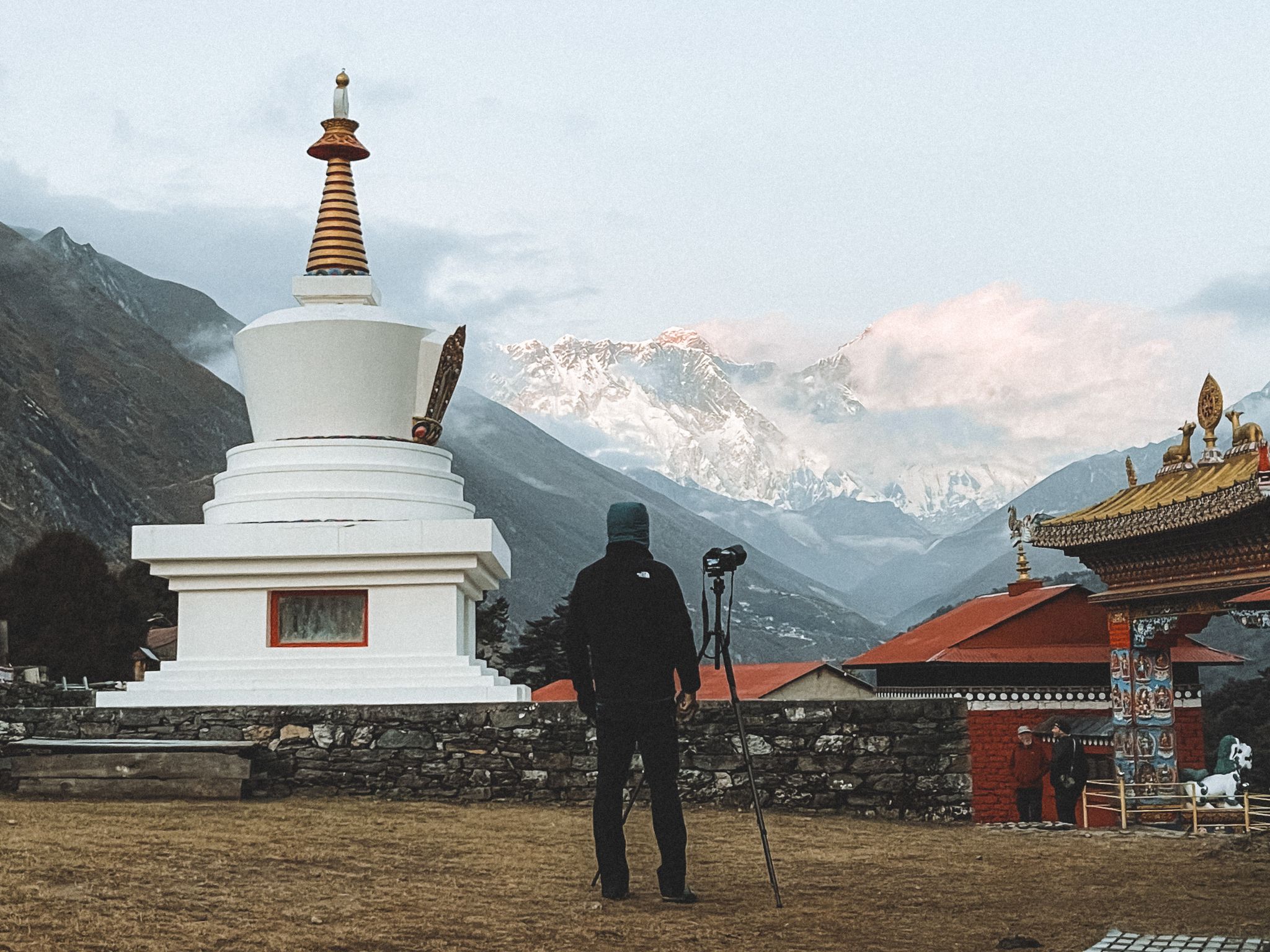
- The stupa hours: Boudhanath's kora at dusk - long exposures of the circling crowd under the prayer flags (what everything means).
- The squares before the buses: Patan and Bhaktapur at 7 am belong to pigeons, priests and you.
- Working landscapes: ropai (rice-planting) season fills every terrace with figures; harvest gilds them in October.
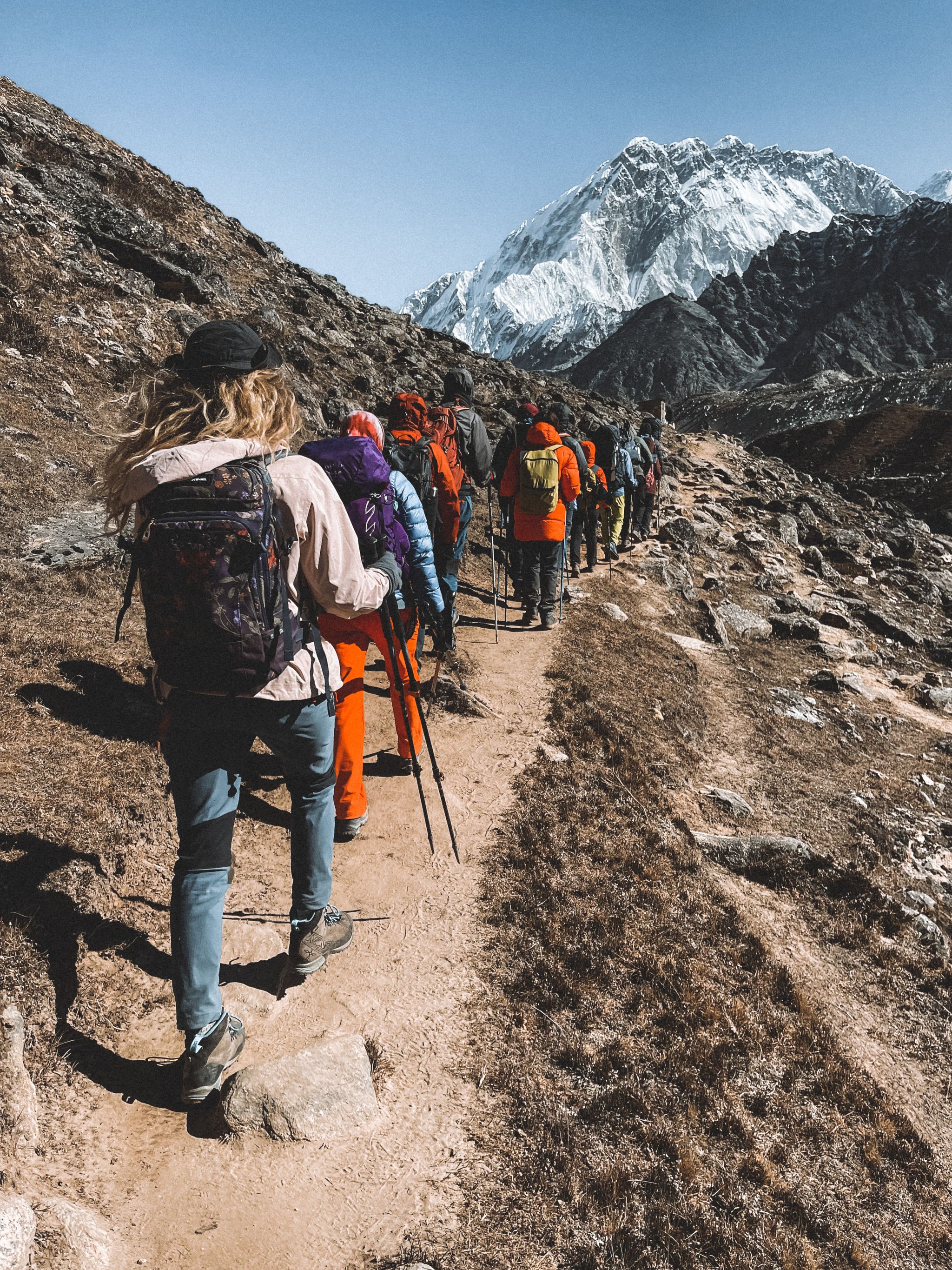
- Trail texture: yak trains on suspension bridges, teahouse kitchens, porters against the big walls - the treks photograph best between the famous viewpoints.
- Festival colour: Dashain kites, Tihar lamps, wedding processions - the calendar is a shot list of its own.
 Above 3,000 m every kilogram of gear is real - bring less, chosen better
Drones: permits or leave it home
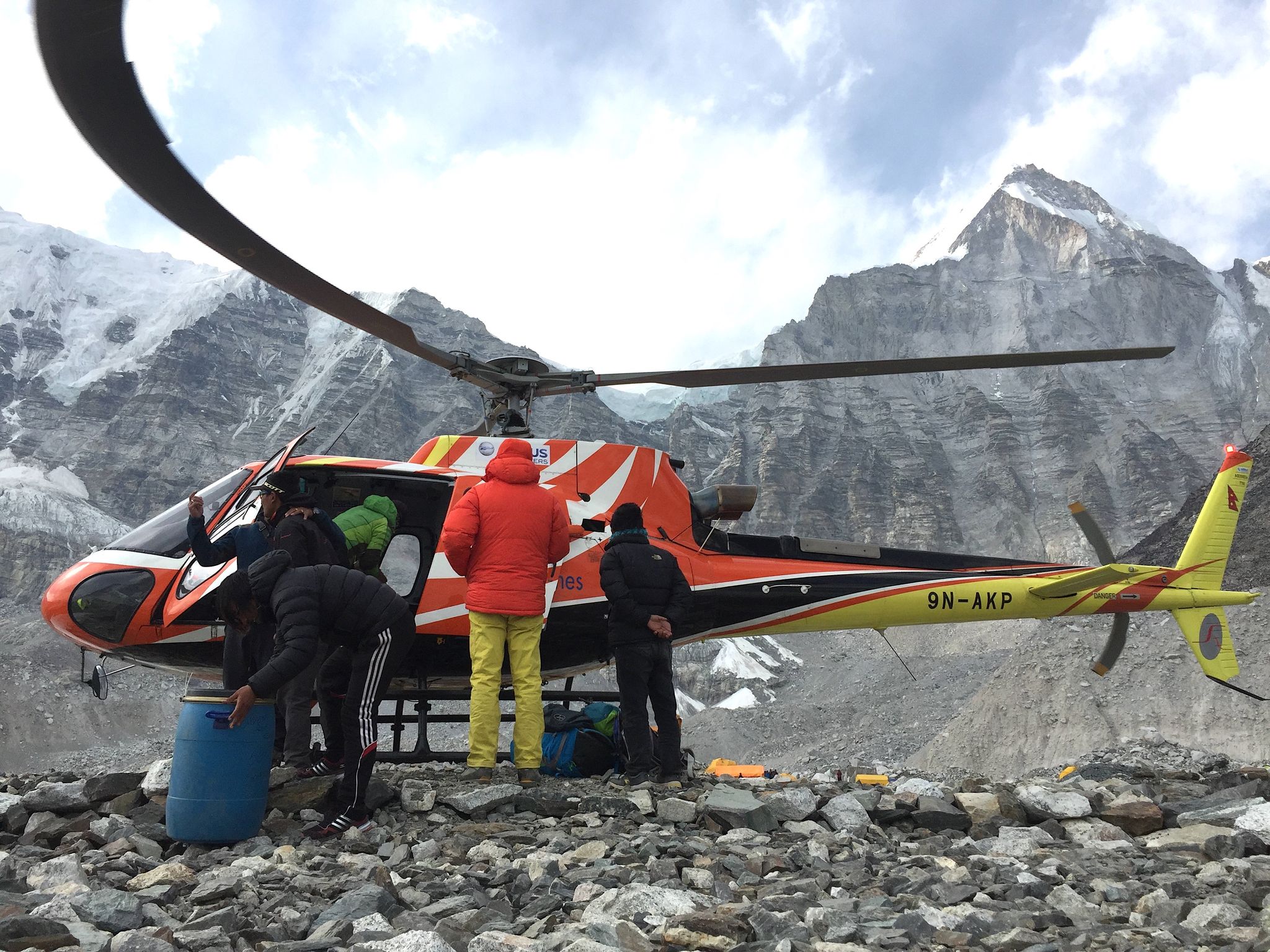
Nepal takes drone regulation seriously. Flying legally requires Civil Aviation Authority of Nepal (CAAN) approval, and additional layers apply in exactly the places you'd want to fly: national parks, conservation areas, and heritage zones all need their own permissions, and unpermitted drones get confiscated at checkpoints and park gates. The paperwork is possible for planned projects (allow weeks, use a local fixer or agency) but impractical for casual travel. Verify current CAAN rules before you pack one - and know that the trekking regions' checkpoints do ask.
Photographing people: the consent economy
Nepalis are generally warm about cameras - and the warmth survives exactly as long as photographers stay respectful:
- Ask first for portraits - a lifted camera and raised eyebrows is a universal question; learn photo khichna milcha? ("may I take a photo?") for bonus goodwill.
- Sadhus at Pashupatinath pose professionally and expect payment - that's the honest transaction; agree before shooting.
- Never shoot cremation ghats close-up, rituals mid-ceremony from inside the moment, or anything military.
- Children: playing in a square is street life; posed portraits deserve a parent's nod, and think before posting faces online.
- Reciprocity beats extraction - show people their photo, send prints when promised, buy tea at the shop you photographed. The wider etiquette applies behind the lens too.
Gear for the trail, honestly
Weight is the tyrant above 3,000 m. The kit that survives contact with a real trek: one body, one versatile zoom (24-105mm equivalent), maybe a light wide, triple the batteries you think (cold murders them - sleep with them in the bag), physical storage backup, and a tripod only if dawn panoramas and stars justify its kilogram. Charging on trek costs money and queues (teahouse reality); a power bank is non-negotiable (packing list). Phone shooters: modern night modes handle the stupas-at-dusk brief shockingly well, and the best camera remains the one still charged on day ten.
Night skies and long exposures
Nepal's high, dry, dark-sky nights are an under-shot bonus. From teahouse ridges above 3,000 m in the clear seasons, the Milky Way over the peaks is a routine capture - moonless autumn nights are best, a small tripod and a 15-25 second exposure do the work, and the cold is the only real enemy (batteries again). Lower down, Boudhanath and Swayambhunath after dusk reward long exposures: butter-lamp glow, blurred kora walkers, and the lit stupa against the blue hour. Bring a headlamp with a red mode and shoot before bedtime - dawn still owns the morning.
Festival photography: the golden rules
Festivals are Nepal's photographic jackpot and its etiquette test in one. Processions (weddings included) are public theatre - shoot freely, join the joy. Ritual moments are worship - stay outside the circle, no flash, and let the priests work. At Dashain and Tihar the details carry the story: marigold strings, lamp-lit thresholds, kites against the dusk. Arrive early, leave the tripod home, and remember the participants outrank the photograph.
The shots you earn by staying
Nepal's famous frames are famous because they're accessible. The photographs that end up mattering usually come from patience - the teahouse kitchen at dinner, the third morning at the same chiya stall when the aunty finally laughs at you, the festival you didn't know was happening. Build slack into the itinerary (the planning hub), keep the camera out on the transit days, and let the country compose itself.