
Nepal does one show better than anywhere on earth: dawn. The highest mountains on the planet catch the light minutes before the valleys wake, turning from grey to rose to blazing gold while you sip tea in the dark. The only question is which sunrise viewpoint fits your trip - a drive-up ridge, a short trek, or the full high-altitude pilgrimage. What follows settles it, effort against reward, viewpoint by viewpoint.
Nagarkot: the Kathmandu classic
The pitch: a 2,175 m ridge 32 km east of Kathmandu, lined with view hotels, facing one of the widest Himalayan panoramas in Nepal - Dhaulagiri to Kanchenjunga, with Everest visible as a distant point on the clearest days.
The experience: most people stay overnight in a view hotel and watch from a balcony or the viewing tower; day-trippers drive up pre-dawn. Crisp autumn and winter mornings are the most reliable. Pair it with the Dhulikhel-Namobuddha walk from our day trips guide, and see the full Nagarkot guide for hotels and logistics.
Best for: Kathmandu-based trips, non-trekkers, honeymooners (it made our honeymoon list).
Sarangkot: Pokhara's dawn deck
The pitch: the hilltop above Pokhara, a short pre-dawn taxi from Lakeside, with the Annapurnas and Machhapuchhre's fishtail close enough to feel - and the city and Phewa Lake glimmering below.
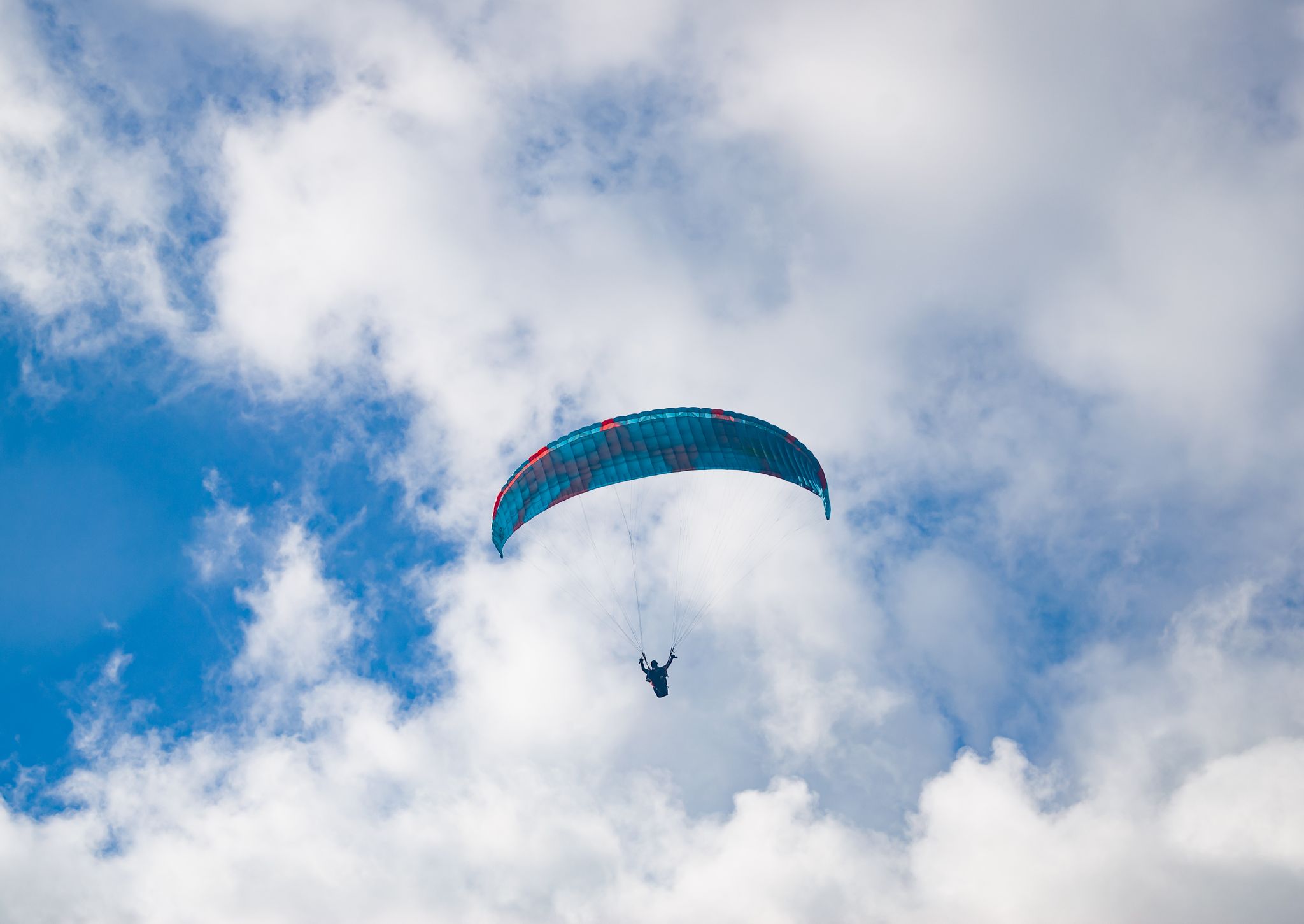
The experience: the viewing decks fill with a cheerful crowd before first light; the peaks ignite one by one, and by 7 am you're back down for lakeside breakfast - or launching a tandem paraglide off the same hill. It's the highest-reward-per-effort sunrise in Nepal.
Sunrise from the Sarangkot view tower (Nilesh Kadam Ride)Best for: Pokhara stays, families, anyone short on time.
Poon Hill: the trekker's sunrise
The pitch: the most famous sunrise in the Annapurna foothills - a 3,210 m hilltop reached by a 4-5 day teahouse trek, where dawn lights Dhaulagiri, Annapurna South, and Machhapuchhre across a 360° horizon.
 Dawn breaking over the Annapurna foothills - the reward for a pre-dawn climb
The experience: a headlamp climb from Ghorepani, tea at the top, and the most photographed dawn in trekking. The full route, costs, and tips are in our Poon Hill trek guide.
Best for: first-time trekkers who want the sunrise earned.
Kala Patthar: sunrise on Everest itself
The pitch: the definitive one - a 5,545 m viewpoint above Gorak Shep where dawn hits Everest's summit pyramid from astonishingly close. This is the photograph every Everest trekker carries home.
The experience: a brutally cold pre-dawn push near the end of the Everest Base Camp trek, at real altitude - earned over nearly two weeks. Respect the height (altitude guide).
Best for: trekkers committed to the full EBC journey.
The rest of the lineup
- Chandragiri (cable car) - Kathmandu's effortless panorama; details in the day trips guide.
- Dhulikhel - quieter than Nagarkot, with the lovely Namobuddha walk attached.
- Bandipur's ridge ends - the hilltop town's dawn bonus between Kathmandu and Pokhara; the Thani Mai climb is in our Bandipur guide.
- Gokyo Ri - the Khumbu's other great dawn, over turquoise lakes; part of the Three Passes route.
Compared at a glance
| Viewpoint | Effort | The dawn you get |
|---|---|---|
| Nagarkot | Drive-up / overnight | Widest panorama, distant Everest |
| Sarangkot | Pre-dawn taxi | Close Annapurnas over Pokhara |
| Chandragiri | Cable car | Valley + long-range line-up |
| Poon Hill | 4-5 day trek | The classic earned foothill dawn |
| Kala Patthar | ~12 day trek, 5,545 m | Everest close-up - the ultimate |
Why Himalayan dawns hit different
There's physics behind the magic. The 8,000-metre peaks stand so far above everything else that they catch direct sunlight 10-20 minutes before the surrounding ridges and valleys - so you watch, from the cold blue pre-dawn, as a line of summits ignites one by one in rose and gold while the world below stays asleep. Post-monsoon air (October-November) is washed clean of dust, which is why autumn dawns are the sharpest of the year and why photographers plan whole trips around them. Add the valley mist that pools below viewpoints like Nagarkot and Poon Hill - turning the foothills into islands in a white sea - and you get mornings that no beach sunrise can answer.
Sunrise etiquette and realism
Two honest notes. First, the popular decks are shared experiences - Sarangkot and Poon Hill draw crowds in season, and that's part of the cheerful ritual rather than a flaw; arrive early for a front-row spot, and let the quieter options (Dhulikhel, Bandipur, Gokyo Ri) serve the solitude-seekers. Second, no dawn is guaranteed - cloud happens, especially outside the autumn-winter window. Treat any single morning as a lottery ticket, build in a spare, and remember the locals' wisdom: the mountain decides.
Getting the shot (and the moment)
- Go in the clear seasons - October-March mornings are the most reliable; spring haze softens the views (best time to visit).
- Arrive 30-45 minutes early - pre-dawn colour beats the sunrise itself, and decks fill.
- Dress warmer than you think - ridge dawns are cold year-round.
- Build in a spare morning - one cloudy dawn shouldn't sink the trip.
- Put the camera down for the last minutes - the light moves fast, and memory beats megapixels. (Serious shooters: our Nepal photography guide covers the light, gear, and etiquette.)
Whichever you choose, a Himalayan sunrise is the moment Nepal trips are built around. Give it a fixed place in your route, then set the alarm without mercy.