
Nepal doesn't have to try to be spiritual - the morning bells, the incense, the monks debating in courtyards are simply Tuesday. That authenticity is exactly what makes it one of the best places anywhere to learn meditation or deepen a yoga practice: you study minutes from working monasteries, with the Himalaya on the horizon, at prices that make month-long stays plausible. Here's the landscape, honestly mapped.
The monastery courses: Nepal's speciality
The Kathmandu Valley's distinctive offering is the monastery meditation course - multi-day introductory programs at working Tibetan Buddhist monasteries, mostly clustered around Boudhanath and Kopan hill, taught in English by monks and experienced lay teachers. Expect dorm-or-simple-room lodging, vegetarian meals, sitting sessions from before dawn, philosophy classes, and the extraordinary texture of monastery life continuing around you - horns, debate, butter lamps (the tradition itself). Courses are built for beginners, no faith commitment expected; the famous month-long November courses book out well ahead, while shorter introductions run through the season. It's the single most distinctive contemplative experience Nepal offers.
Vipassana: the deep end
For the serious plunge, ten-day Vipassana courses in the S.N. Goenka tradition run at centres near Kathmandu and in Lumbini: total silence, surrendered phones, a 4am gong, and around ten hours of sitting a day, on donation-based economics - you pay nothing to attend and give what you choose after. It is famously hard and famously worth it. Apply ahead, read the code of discipline with self-honesty, and don't schedule anything demanding for the days after; you'll want the decompression.
 Practice with a view - Nepal's retreats sit inside its living landscape of monasteries and terraces
Pokhara: the yoga shore
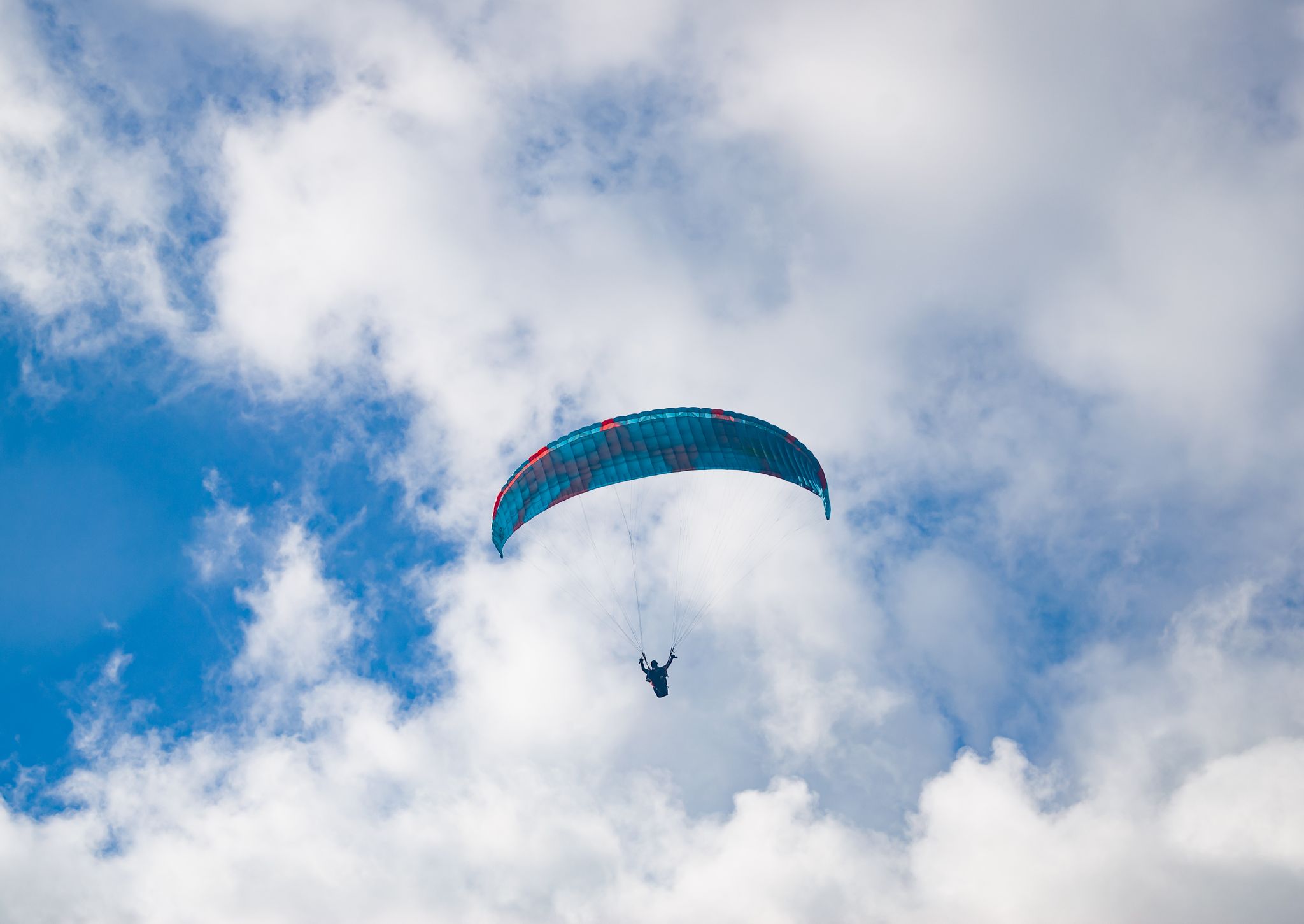
Pokhara is the yoga capital - lakeside studios and retreat centres offering drop-in classes, teacher trainings, and week-long packages where sun salutations face actual Himalayan sunrises. The scene is relaxed rather than rigorous: think morning yoga, lake afternoons, sauna-and-smoothie infrastructure, and the option to bolt on paragliding or a gentle trek - a retreat as holiday rather than boot camp. Quality varies with the tourist tide; drop into a class before committing to a package.
Everything else on the menu
- Pashupatinath and the sadhu tradition - Kathmandu's great Shiva temple is the yogic tradition's living root here; visit respectfully rather than expecting classes.
- Monastery guesthouses - several monasteries around the valley and Boudhanath accept independent stay-and-practice guests between courses.
- Trekking-plus-practice - some operators run yoga-trek hybrids (asanas at teahouse altitude); charming, though acclimatisation rules still outrank flexibility (altitude guide).
- Lumbini's monastery zone - meditating at the Buddha's birthplace, in the international temples' gardens, needs no booking at all.
A first-timer's honest expectations
Whatever the brochure implies, here's what the first days actually feel like: your knees will complain before your mind quiets; the 4-5am starts hurt for exactly three mornings and then become the best part; simple food eaten mindfully tastes better than it has any right to; and boredom - real, phone-less boredom - turns out to be the threshold, not the failure. Teachers at Nepal's centres have seen ten thousand fidgeting Westerners before you and are neither offended nor surprised by struggle. Go in with modest goals (sit, breathe, finish) and the experience routinely over-delivers; go in expecting transcendence-by-Friday and you'll fight the schedule instead of settling into it.
Combining practice with the trip
The retreat doesn't have to be the whole holiday. Proven shapes: a weekend monastery course as a Kathmandu-arrival decompression before trekking; Pokhara yoga mornings threaded through a lakeside week (the couples version does this well); or the deep option - the ten-day Vipassana as the finale, after the mountains have already emptied you out. Trekkers report the sequencing matters: practice lands differently after two weeks of walking meditation disguised as a teahouse trek.
Choosing well: the genuine-retreat filter
The scene has grown, and with it the gap between the real and the packaged. The filter:
- Who teaches? Named teachers with lineage or training beat anonymous "certified instructors."
- Donation or modest pricing usually signals tradition; luxury pricing signals a resort (fine - just know which you're buying).
- Silence and schedule - a real meditation course costs you comfort; if the brochure promises transformation without asking anything, it's a spa.
- Reviews from finishers, not photos of cushions.
- Season: October-April is prime; monsoon retreats are atmospheric and empty (the monsoon case).
Practicalities
Budget: donation-based Vipassana to monastery courses at modest daily rates to comfortable Pokhara packages - all undercutting Western retreat prices dramatically, which is why month-long practice stays that would be unthinkable elsewhere are routine here (verify current rates; the budget guide gives context). Pack modest, layered clothing (what to wear) and expect simple vegetarian food done well. Most travelers pair a course with the classic circuit - a retreat opening or closing a two-week trip is the natural shape.
Nepal's quiet advantage is that nothing here is performing spirituality for you - the practice was here first, has been running for a thousand years, and visitors are simply allowed to sit down in it. That's a rarer offer than the retreat industry usually admits, and it's the reason people who came for one course keep coming back for decades. Work out where a course fits in your wider route - and book the November one early.