
Here's the surprise about Nepal with kids: the country that markets itself on extreme altitude is actually one of Asia's warmest family destinations. Nepalis adore children - yours will be waved at, blessed, and fed everywhere - and between rhino safaris, cable cars, lake boats, and squares full of kites and pigeons, Nepal at kid-height is a genuine adventure playground. You just have to plan around three realities: roads, hygiene, and altitude. Here's how families make it work.
Why kids love Nepal
- Animals, everywhere - rhinos and elephants in Chitwan, monkeys owning the temples, yaks on trails, street dogs in festival garlands.
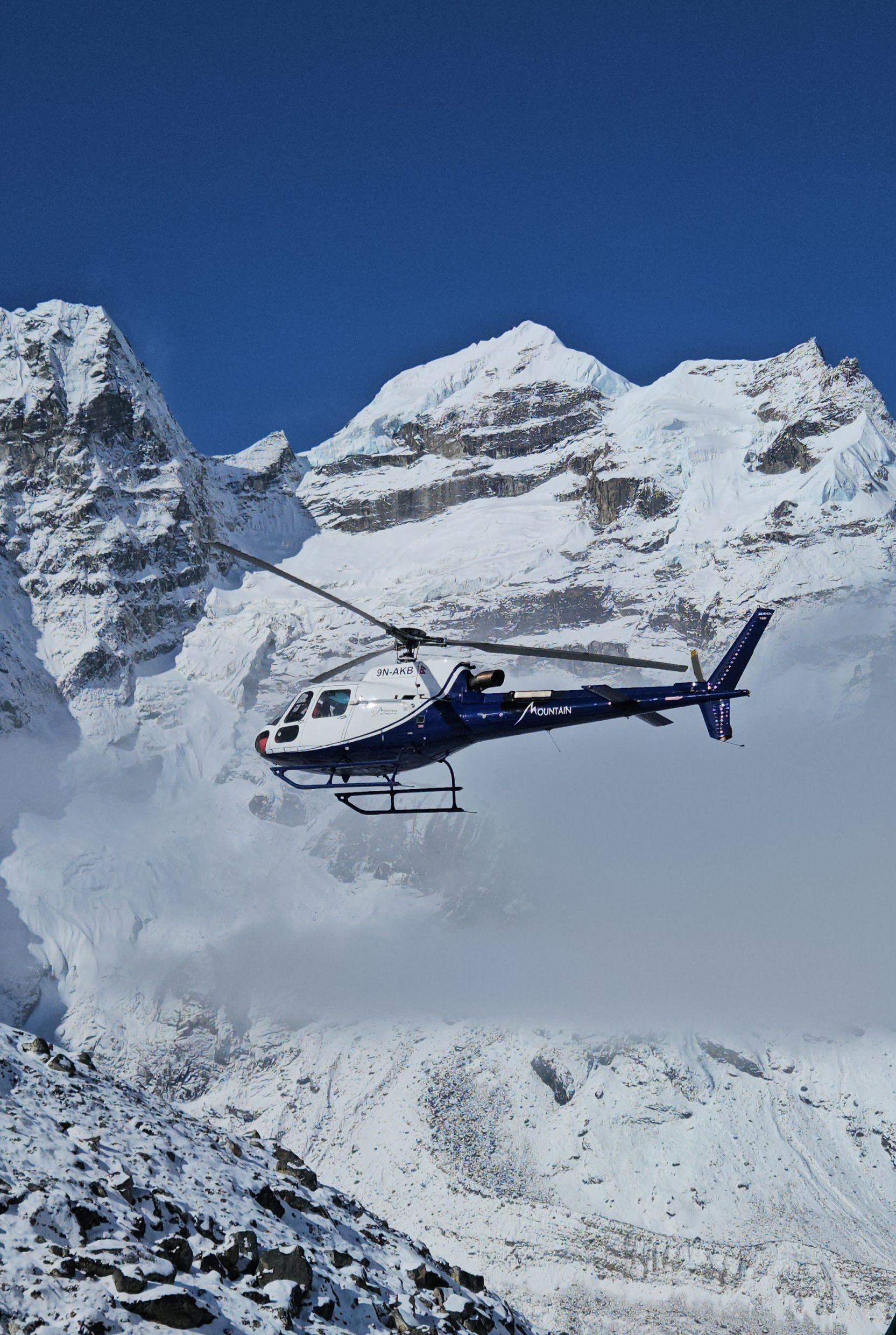
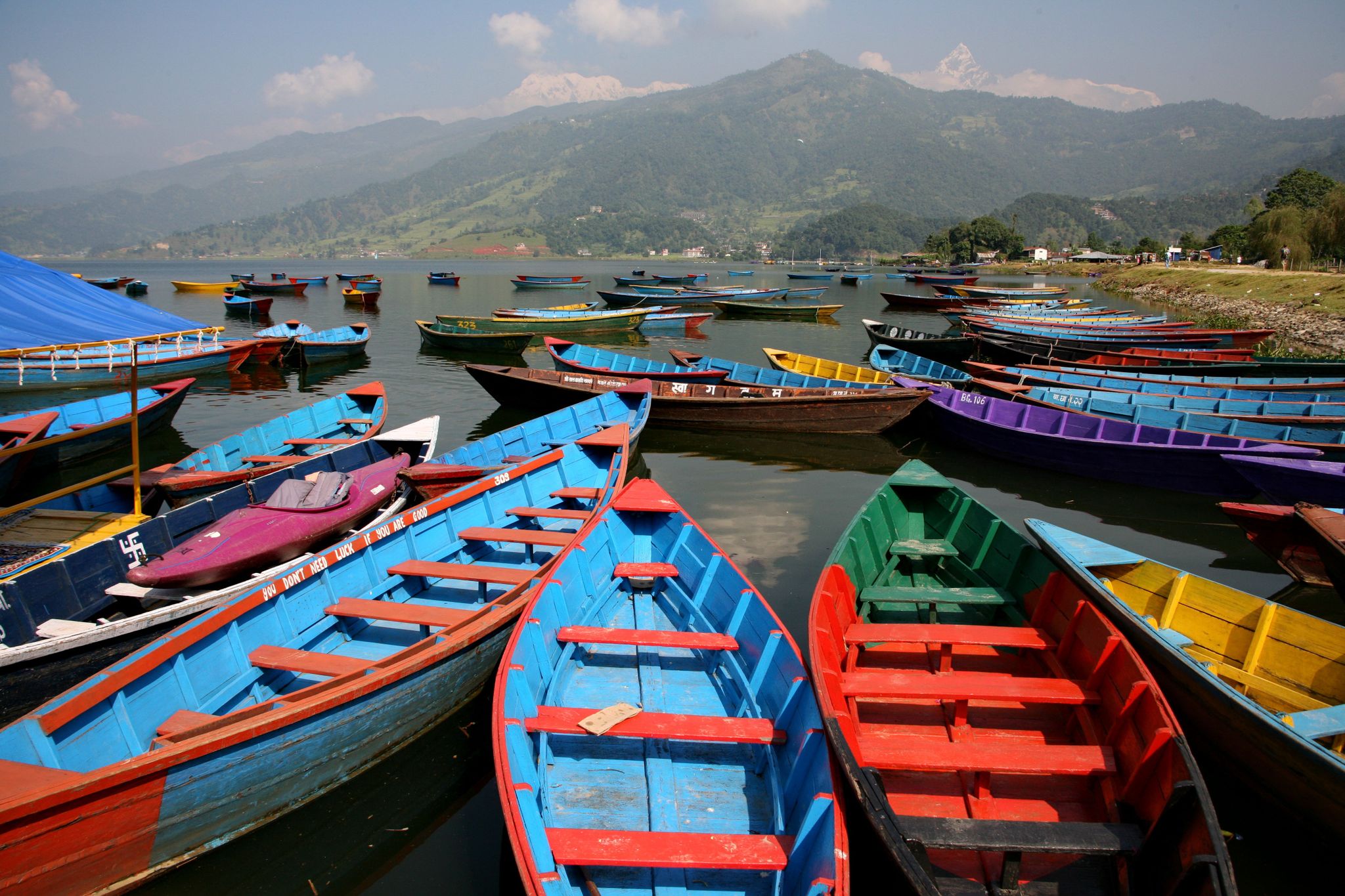
- Vehicles that are the attraction - the Chandragiri cable car, Phewa Lake rowing boats, jeep safaris, and (for brave families) the mountain flight.
- A culture that includes them - kids get tika at temples, join kite season during Dashain, and are welcomed in every teahouse kitchen.
- Real adventure, scaled down - suspension bridges, short treks, cave visits: the stories they'll tell at school are unbeatable.
 Nepal's temple squares double as playgrounds - children are welcomed everywhere
The three realities to plan around
1. Roads. Distances are short on the map and long in the stomach - winding, bumpy, slow. Fly the Kathmandu-Pokhara leg if the budget allows, break journeys (Bandipur is the perfect family stopover), and pack motion-sickness remedies. See getting around Nepal.
2. Hygiene. Kids' stomachs are less forgiving. Apply the food and water rules strictly: treated water only (teeth included), hot fresh food, peeled fruit, sanitised hands, and ORS in the daypack. Good hotels and busy tourist restaurants make this easy.
3. Altitude. Keep children below ~3,500 m unless you know what you're doing - altitude sickness is harder to spot in kids who can't articulate symptoms (the details). Happily, Nepal's best family experiences all live low.
Family-friendly treks that actually work
| Trek | Days | Max altitude | Why it works for kids |
|---|---|---|---|
| Australian Camp overnight | 1-2 | 2,060 m | One gentle climb, huge dawn views |
| Ghandruk loop | 2-3 | 1,940 m | Village life, short days |
| Poon Hill | 4-5 | 3,210 m | The classic family trek; school-age+ |
| Nagarkot rim walks | 1 | 2,175 m | Sunrise hotel + easy trails |
Hire a porter so nobody carries more than snacks, book lodges with family rooms, keep days to 3-4 walking hours, and let kids set the pace - teahouse culture (hot chocolate, card games, other trekking families) does the rest. First-time framework in our beginners' guide.
A proven 10-day family itinerary
- Days 1-3 - Kathmandu Valley: monkeys at Swayambhunath, the Boudhanath kora (kids love the prayer wheels), pottery square in Bhaktapur, Chandragiri cable car.
- Day 4 - Bandipur: break the road journey; traffic-free main street = parental relaxation.
- Days 5-7 - Pokhara: lake boats, caves and waterfalls, the mountain museum, and Sarangkot sunrise for early risers.
- Days 8-10 - Chitwan: jeep safari for rhinos, canoe trip, Tharu village visit - the trip's grand finale for most kids (how it compares with wilder Bardia is in our safari-park comparison).
Swap Chitwan for the Poon Hill trek with school-age children and 3-4 extra days.
What each age actually needs
- Babies and toddlers: the city-Pokhara-safari loop works well with a structured carrier (strollers lose to Nepal's pavements instantly). Formula and nappies are available in city supermarkets but bring preferred brands; lodges warm bottles happily. Skip trekking beyond day walks.
- Ages 6-12: the golden window. Short teahouse treks become achievable adventures, safaris land at maximum wonder, and temple squares turn into stories. A kid-height camera transforms sightseeing into a mission.
- Teens: treat them as trekking partners - Poon Hill minimum, and fit ones manage Mardi Himal. Paragliding tandems in Pokhara (check operator age minimums) and white-water floats convert even the phone-bound.
When Nepal is the wrong call
Honesty helps planning: think twice if your children are miserable on long winding drives and you can't afford internal flights, if anyone needs guaranteed Western-standard medical care within minutes, or if your trip window falls entirely in peak monsoon (leeches, mud, and hidden mountains test family morale). None of these are common dealbreakers - but they're the ones that generate the rare unhappy family trip reports.
Practical family notes
- Stay: family rooms are common; mid-range hotels with gardens or pools earn their keep at day's end (the new-hotels wave helps).
- Eat: dal bhat refills are a blessing with hungry kids; momos win every child over by day two (food guide).
- Health kit: child fever meds, ORS, plasters, sunscreen - pharmacies are everywhere in cities but bring what you trust (packing list).
- Insurance: cover the whole family, including any trek days (insurance guide).
- Season: October-November and February-April are the family sweet spots - dry trails, mild days (best time).
- Pace: one anchor activity per day, afternoons loose. Nepal rewards slack in the schedule.
Nepal with kids isn't the compromise version of the trip - it's often the better one: slower, warmer, and full of the country's kindest side. Plan the framework with our plan your Nepal trip hub, and let the rhinos do the rest.