
Most trekkers come to Nepal in one of two windows - spring (March-April) or autumn (October-November) - and which one you choose shapes the whole trip. Both are genuine high seasons with good weather and open trails, but they feel different: autumn is about crystalline mountain views and stable skies, spring about warmth, longer days, and hillsides ablaze with rhododendrons. Here's the head-to-head to help you decide.
The case for autumn (October-November)
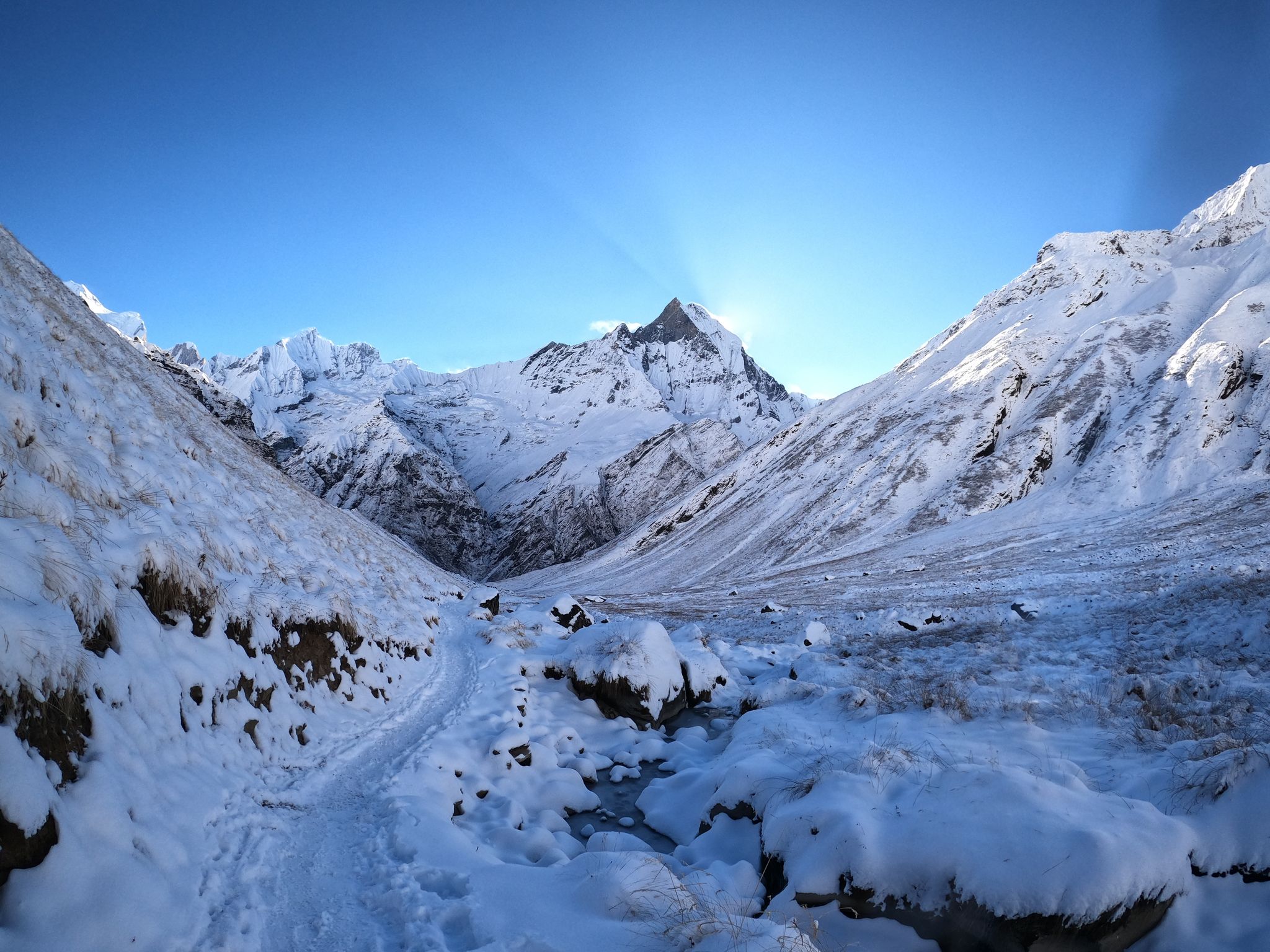
Autumn is the headline trekking season for a reason. The summer monsoon scrubs the atmosphere clean, so October in particular delivers the clearest, most reliable mountain views of the year. The weather is stable, the temperatures comfortable at trekking altitudes, and the trails are in their best condition. It also coincides with Nepal's festival peak, Dashain and Tihar, adding cultural colour to the start or end of a trek. Read the detail in Nepal in October.
The downsides: it's the busiest and priciest time, lodges and Lukla flights fill, and the Dashain travel surge can complicate domestic transport.
The case for spring (March-April)
Spring is the warm, flowering season. From March the rhododendron forests bloom - red, pink, and white across the mid-hill trails like Poon Hill and Annapurna Base Camp - one of the most beautiful sights in Nepal trekking. Days are longer and warmer, nights less brutally cold, and it's the Everest summit-expedition season, so Base Camp buzzes with mountaineering life. See Nepal in March for how the season builds.
The trade-off is clarity: the air grows hazier as spring progresses, with heat and dust softening the views, especially in the afternoons and toward May. Spring also suits anyone who feels the cold - the milder nights make the high lodges far more comfortable than in late autumn, when temperatures at altitude drop hard after dark. Photographers and flower-lovers lean spring; view-purists lean autumn.
Timing within each season
The season you pick matters, but so does the week. Within autumn, early-to-mid October is the clarity sweet spot just after the monsoon, while November trades a touch of warmth for thinner crowds and still-excellent skies - the cold simply deepens as the month runs on. Within spring, March is cooler with the rhododendrons starting lower down and the clearest spring air; April warms up and pushes the bloom higher up the hillsides but brings more haze; May is the warm, hazy, pre-monsoon tail best left to lower treks. If you can, aim for the front of autumn or the middle of spring to get the best of each.
Head to head
| Factor | Autumn (Oct-Nov) | Spring (Mar-Apr) |
|---|---|---|
| Mountain views | Clearest of the year | Good, hazier later |
| Temperature | Crisp, cold nights | Warmer, milder nights |
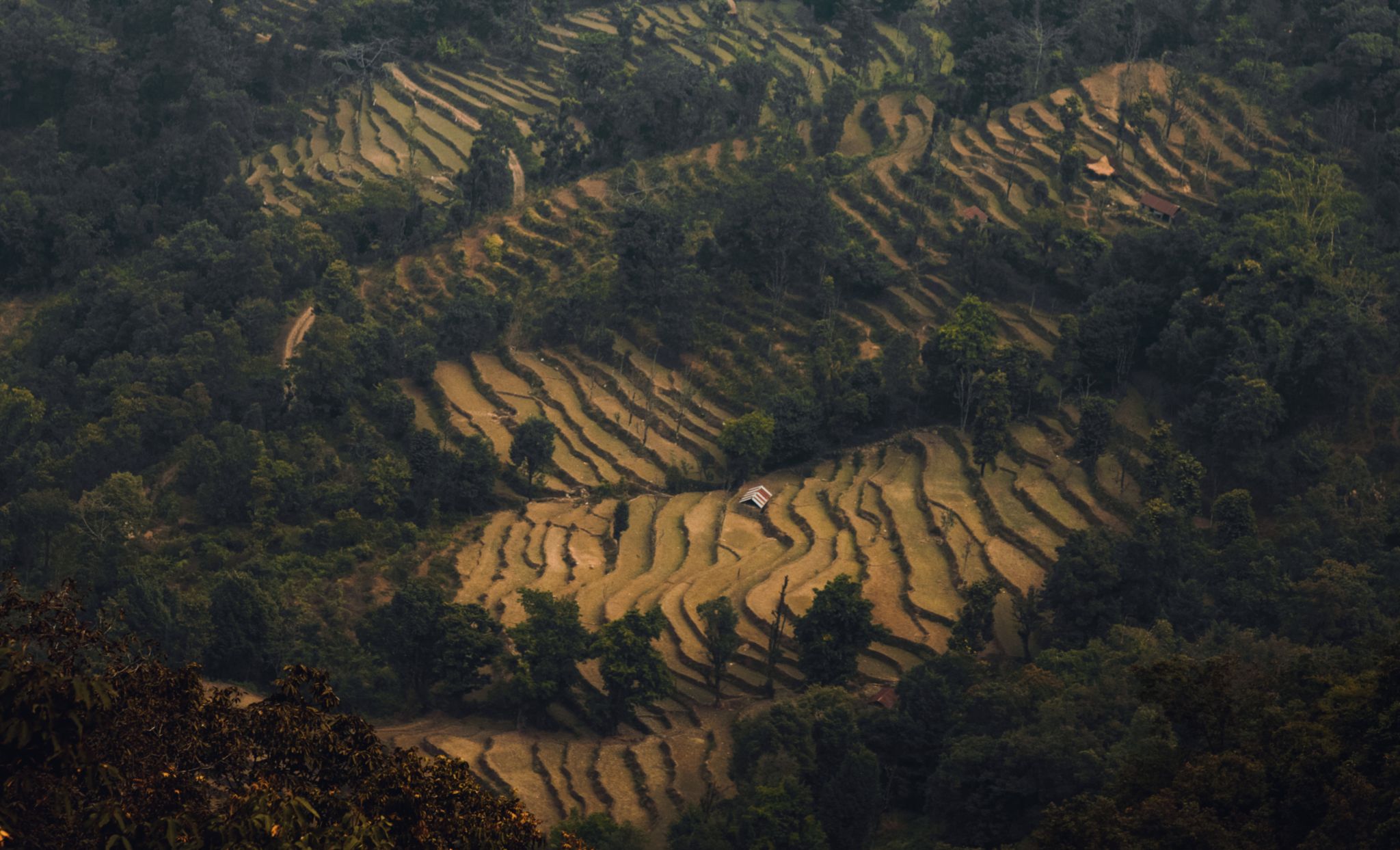
| Scenery | Green-gold, post-harvest | Rhododendron blooms |
| Crowds | Peak (busiest) | High, slightly less |
| Festivals | Dashain, Tihar | Holi, Buddha Jayanti |
| Everest scene | Trekkers | Summit expeditions |
| Prices | Highest | High |
Region by region
The two seasons play out differently depending on where you trek:
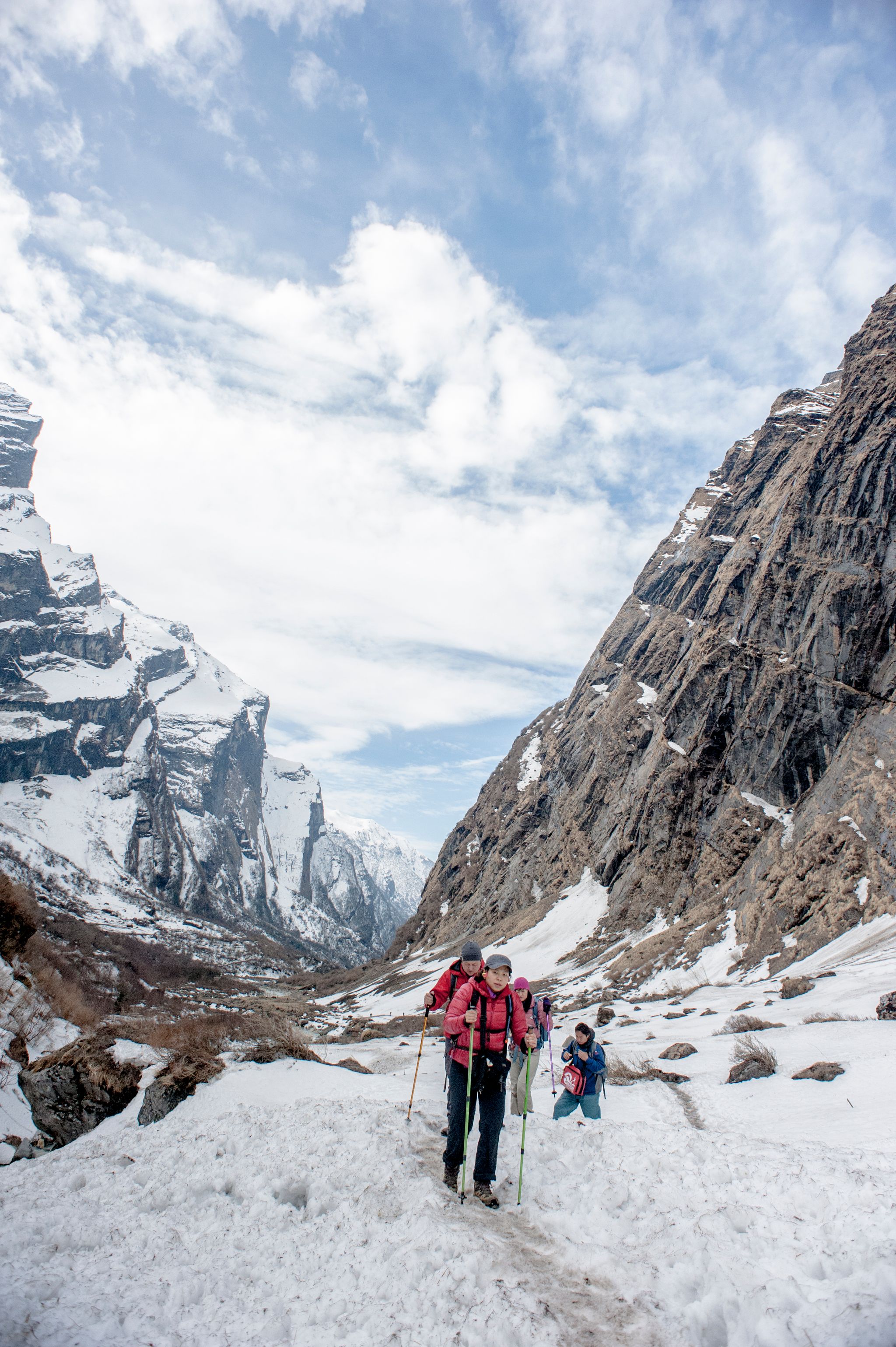
- Everest region: autumn is the classic trekking window with the steadiest weather; spring brings the summit-expedition buzz to Base Camp and warmer nights, but more afternoon cloud build-up.
- Annapurna region: spring is spectacular here thanks to the rhododendron forests on the Poon Hill and ABC trails; autumn gives the crispest views of the Annapurna Circuit and Thorong La crossings.
- Langtang and the lower treks: both seasons work well, with spring adding colour and autumn adding clarity.
What about winter and monsoon?
The two prime seasons aren't your only options, just the best for most people. Winter (Dec-Feb) allows lower-altitude trekking - Poon Hill, lower Annapurna and Everest trails - in cold but clear, quiet, cheap conditions; high passes are snowbound. The monsoon (Jun-Aug) is poor for the classic routes but ideal for the rain-shadow Upper Mustang trek. For the full year-round comparison, see our best time to visit Nepal guide.
Crowds, booking and a note on haze
Both spring and autumn are high seasons, so book key links ahead - especially Kathmandu-Lukla flights and popular tea houses, which sell out first in October. If photography matters, remember that autumn mornings give the sharpest light, while spring afternoons can be milky with haze; in spring, shoot early and you'll still get clear peaks above the rhododendrons.
So which should you choose?
- You want guaranteed clear views: autumn, ideally October.
- You want rhododendrons and warmth: spring, March-April.
- You want fewer people: trek the shoulders - late November or late September just into the autumn window.
- You're heading high (EBC, Annapurna Circuit, Three Passes): both work, but autumn's stable weather is the safer bet for the high passes - see EBC vs the Annapurna Circuit.
- You're doing a lower, forested trek (Poon Hill, ABC): spring's blooms make these especially rewarding.
Either way, pack for a wide temperature range with our packing list, sort your permits, and mind the altitude on the high routes with our altitude sickness guide.
Both seasons are excellent - there's no wrong choice, only a trade between autumn's clarity and spring's colour. For the full year-round picture and how these seasons fit the rest of the calendar, see our best time to visit Nepal guide, then start planning on the Nepal trekking hub.