Nepal - one of the cheapest, most spectacular countries on Earth - has announced plans to join the growing list of nations courting remote workers with a dedicated digital nomad visa. For anyone who has dreamed of answering emails with the Annapurnas out the window, it is a genuinely exciting development. Below: what has been proposed, what is still uncertain, and how to live in Nepal as a remote worker right now.
Important: as of 2026 this visa is still being rolled out and the figures below are proposed, not finalised. Always verify the current rules and application process on the official Department of Immigration (immigration.gov.np) before making plans.
What has been announced
Nepal's tourism authorities have signalled a long-stay visa designed for remote workers whose income comes from outside the country, reported to allow stays of up to five years (typically structured as an initial year with annual renewals). It sits within a broader push to attract higher-value, longer-staying visitors and "slow travel" rather than chasing visitor numbers alone.
The aim is clear: remote workers stay longer, spend steadily in the local economy, and engage more deeply with communities than a typical two-week trekker.
Proposed requirements
Based on what has been reported so far, applicants would need to meet criteria along these lines:
| Requirement | Reported detail (verify before applying) |
|---|---|
| Remote work status | Freelancer, remote employee, or business owner with clients/employers outside Nepal |
| Income | Around USD 1,500/month, or savings of roughly USD 20,000 |
| Health insurance | International cover valid in Nepal (a figure near USD 100,000 has been mentioned) |
| Documents | Proof of employment/clients, recent bank statements, passport, photos |
If your documents are not already in English, expect to need certified translations. A sensible move now is to start keeping clean, English-language copies of your proof of income, tax records, and six months of bank statements so you are ready when the application module goes live.
How to apply (current reality)
The dedicated nomad-visa application system is not yet fully operational. Until it is, the practical path is the standard tourist visa - see our full Nepal visa guide for visa-on-arrival, fees, and the 150-days-per-year limit. Watch the Department of Immigration site for the launch of the formal nomad-visa portal, which is expected to be digital.
Living in Nepal as a remote worker right now
You do not have to wait for the new visa to test the waters - plenty of nomads already base themselves in Nepal on tourist visas.
Internet. This is the real question for remote workers. Kathmandu and Pokhara have solid fibre broadband in many apartments, cafes and coworking spaces, generally fine for video calls; speeds and reliability drop sharply once you leave the cities, and power cuts still happen, so a backup mobile-data SIM and a power bank are essential. Buy a local Ncell or NTC SIM with a generous data pack on arrival.
Cost of living. Nepal is one of the most affordable nomad destinations anywhere. A comfortable life - a decent apartment, eating out, a coworking desk, weekend trips - costs a fraction of a Western city. For day-to-day numbers, see the Nepal travel budget guide; long-stay monthly rents work out far cheaper than the nightly rates tourists pay.
Where to base yourself:
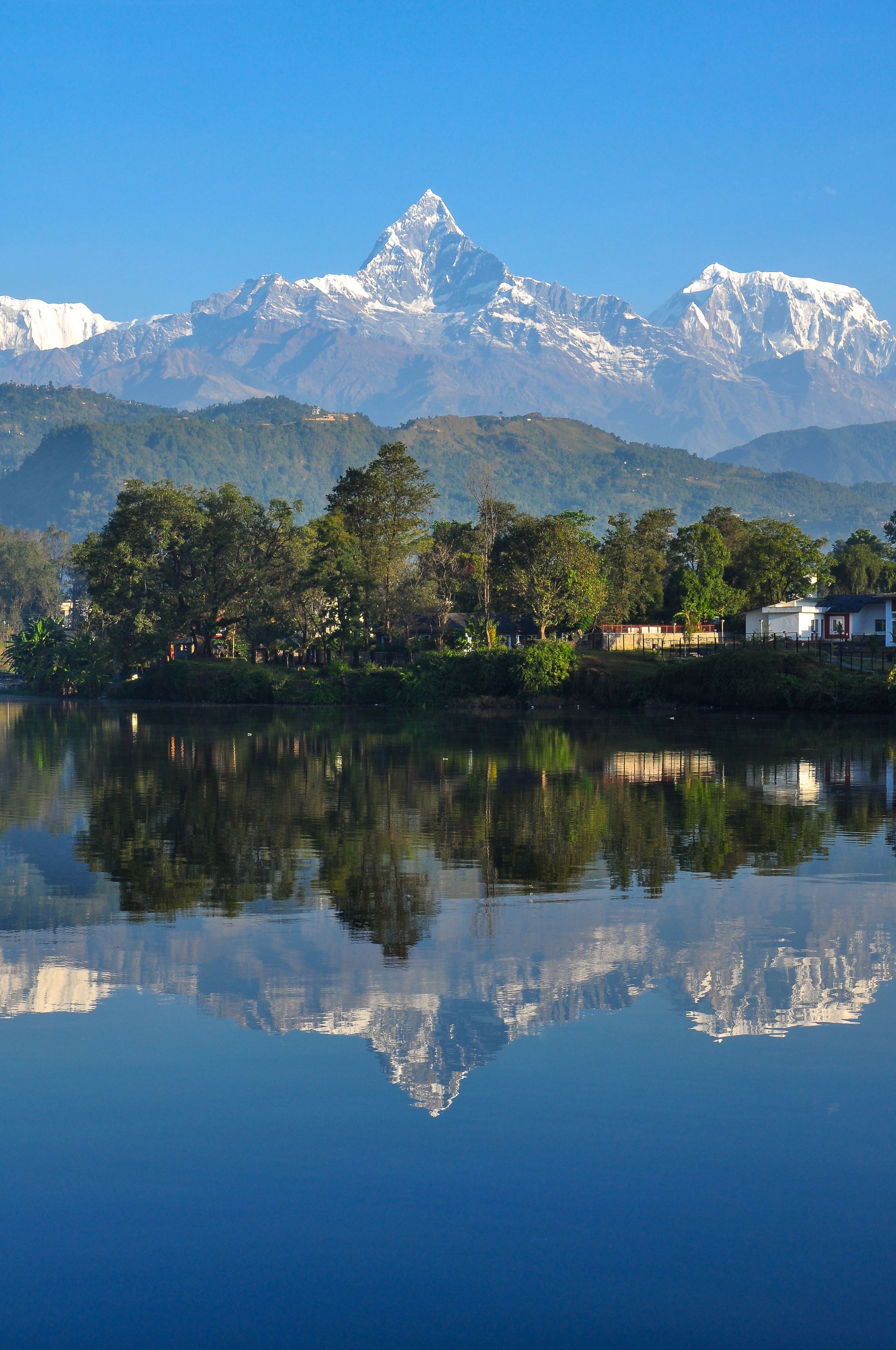
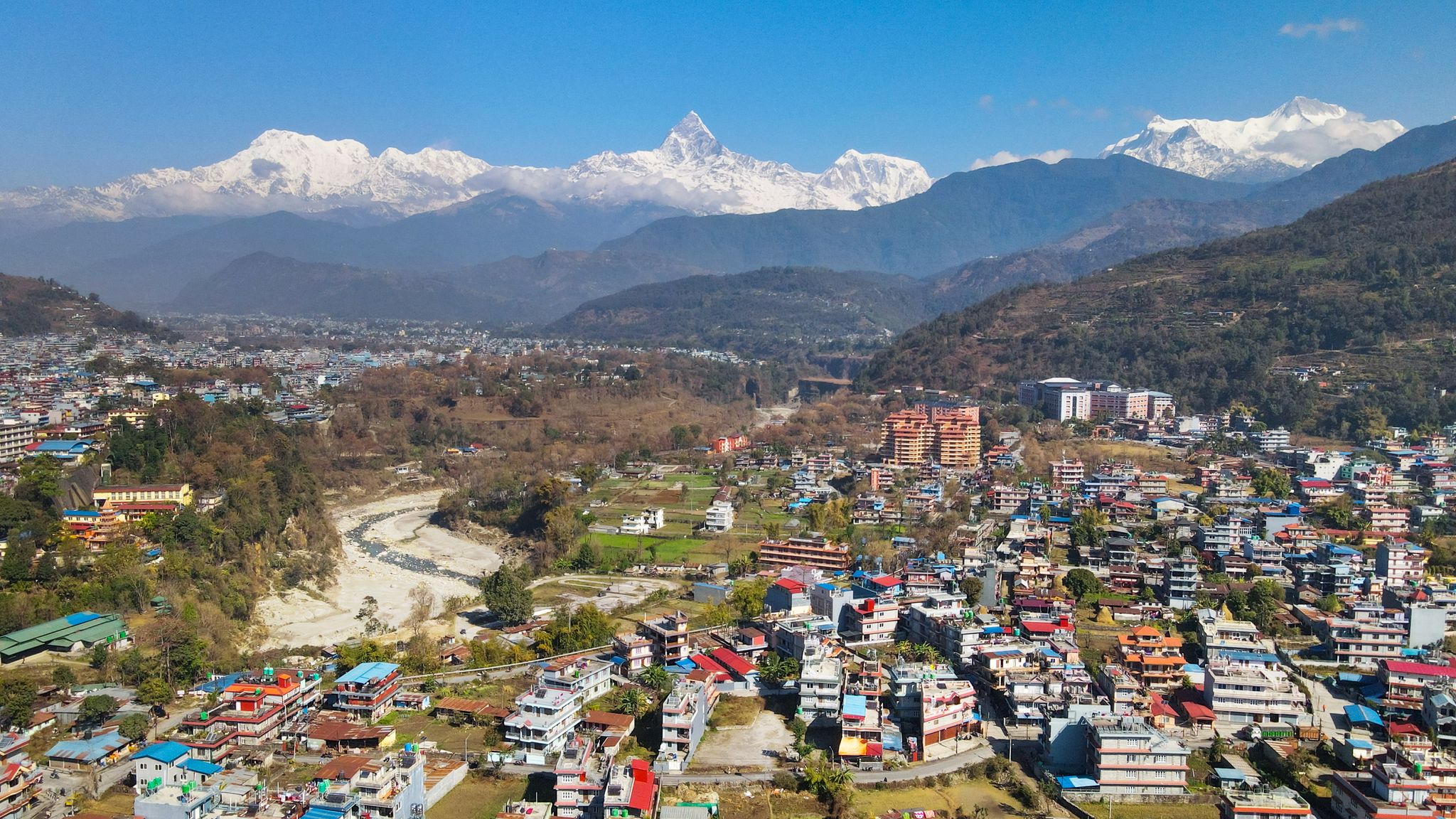
- Pokhara - the lifestyle pick. Lakeside living, Himalayan sunrises, paragliding on your day off, a relaxed pace, and a fast-growing cafe-and-coworking scene. Best for those who want nature on the doorstep.
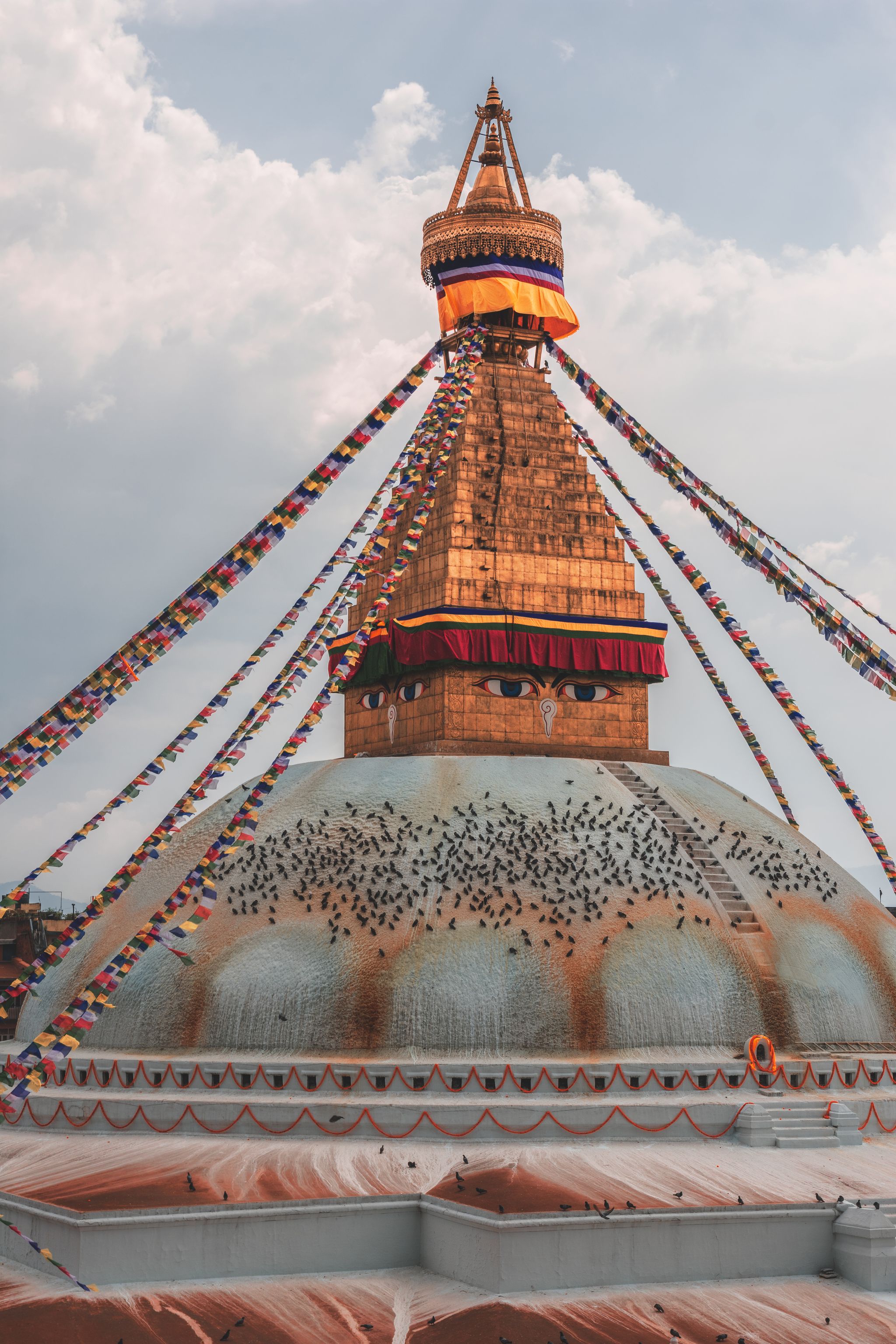
- Kathmandu - the practical pick. The fastest and most reliable internet, the most coworking spaces, the international airport, the widest housing and food choice, and the cultural depth of the valley's temples and old towns.
Many nomads split their time: Kathmandu for work-heavy weeks and errands, Pokhara or a trek when they need to breathe.
Things to weigh before you commit
- Connectivity outside cities is limited - if your work needs rock-solid video calls, stay in Kathmandu or central Pokhara and keep a mobile-data backup.
- Air quality in Kathmandu can be poor in the dry winter and pre-monsoon months - something to factor in for a long stay.
- Time zone - Nepal runs UTC+5:45 (yes, the famous 45-minute offset), which is convenient for Asia and tolerable for Europe, but tough for live overlap with the Americas.
- Healthcare - good private clinics exist in Kathmandu and Pokhara, but serious cases mean evacuation; that international insurance requirement is sensible regardless of the visa.
- The best months to arrive are the clear, stable stretches of October–November and spring - settle in before you commit to a long stay.
Nepal's nomad visa is still taking shape, but the direction is set, and the underlying offer is hard to beat: world-class mountains, deep culture, warm people, and rock-bottom costs. Keep your documents ready, watch the official immigration site for the formal launch, and in the meantime there is nothing stopping you from trying the life on a tourist visa first.