Nepal's appeal as a remote-work base is obvious - mountains, culture, low costs, warm people. The practical question is where, because the experience varies enormously between a Kathmandu coworking space and a teahouse with one bar of signal. This rundown covers the places worth setting up in, and what the wifi, cafes and coworking are actually like once you do. (For the money side, see the cost-of-living guide; for the legal side, the digital nomad visa guide.)
First, the truth about internet
This is the make-or-break factor, so be clear-eyed:
- Cities are fine, not blazing. Kathmandu and central Pokhara have widespread fibre broadband - good enough for video calls, screen-sharing and normal uploads. It is not Seoul-fast, but it works for most remote jobs.
- Reliability beats headline speed. Power cuts and the occasional outage still happen. The fix is redundancy: a fibre connection plus a mobile-data SIM as backup, and a power bank/UPS.
- Outside the cities, assume little. Trekking regions, villages and remote towns range from slow mobile data to nothing. Treat time in the mountains as offline time, not a workspace.
Buy a local Ncell or NTC SIM on arrival (passport + photo) and load a big data pack - it is the cheapest insurance you will buy.
Kathmandu - the infrastructure pick
Nepal's capital has the country's best work infrastructure: the fastest and most reliable internet, the most coworking spaces (with backup power and meeting rooms), the international airport, and the widest choice of housing, food and services.
Where to stay: Jhamsikhel and Patan (leafy, cafe-rich, popular with expats), Boudha (calmer, around the great stupa), and Thamel for short, central stays (convenient but noisy). Explore the area on the Kathmandu guide.
The trade-offs: traffic, noise, and genuinely poor air quality in the dry winter and pre-monsoon months. Great for work-heavy stretches; less so for a serene lifestyle.
Pokhara - the lifestyle pick
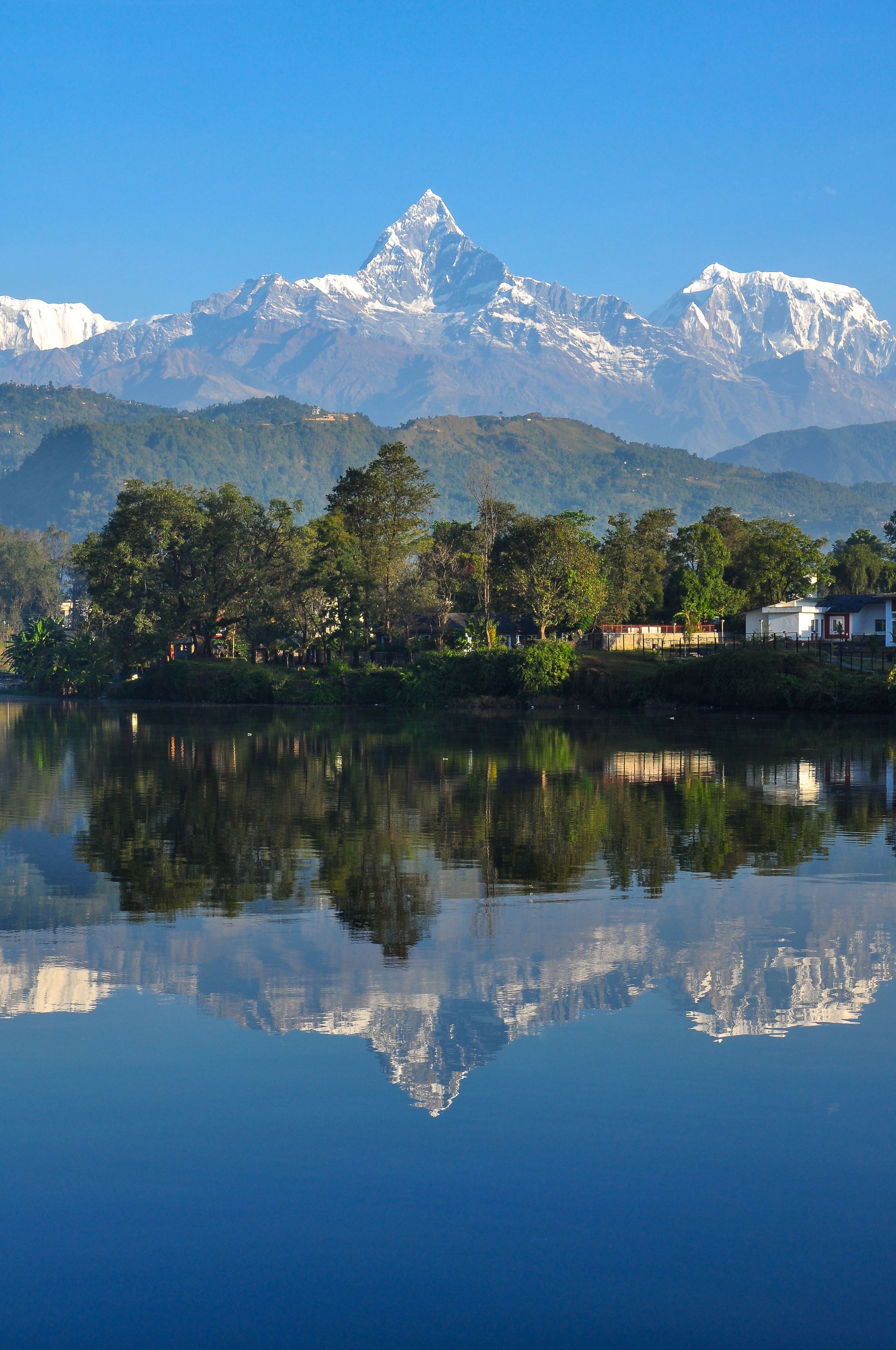
If the dream is answering emails with the Annapurnas reflected in a lake, this is it. Pokhara is calmer, cheaper and cleaner-aired than Kathmandu, built around Phewa Lake with a relaxed Lakeside strip of cafes and a fast-growing coworking and laptop-friendly-cafe scene.
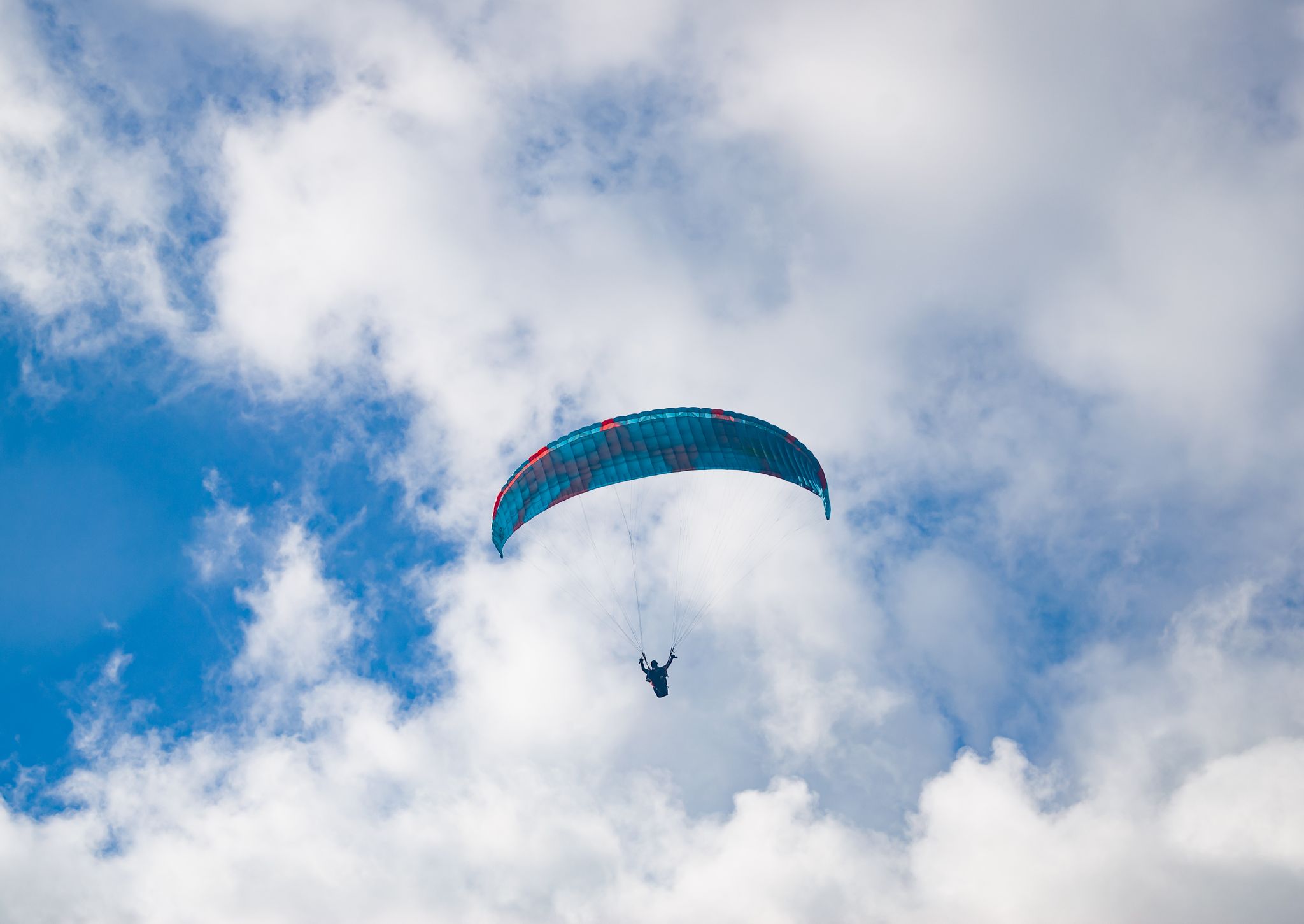
Where to stay: the quieter streets just back from Lakeside, or out toward Begnas Lake for real peace. Paragliding, sunrise at Sarangkot, and short Annapurna treks are all on your doorstep - see the Pokhara guide.
The trade-offs: a smaller pool of coworking spaces and services than Kathmandu, and you will occasionally wish for the capital's redundancy on a big call. For most nomads the lifestyle more than compensates.
Kathmandu vs Pokhara at a glance
| Kathmandu | Pokhara | |
|---|---|---|
| Internet & coworking | Best in Nepal | Good, growing |
| Cost | Slightly higher | Slightly lower |
| Vibe | Urban, intense | Relaxed, lakeside |
| Air quality | Poor in dry season | Generally better |
| Nature on the doorstep | Valley day trips | Lake + Annapurnas |
| Best for | Work-first stretches | Lifestyle-first stays |
The quieter alternatives
For short stretches when connectivity matters less than calm, nomads sometimes decamp to Bandipur (a car-free hilltop Newari town), Begnas Lake near Pokhara, or a homestay in the foothills. Lovely for a focused writing week or a digital detox - but verify the specific guesthouse's wifi before relying on it for calls.
A practical first month
- Land in Kathmandu, grab a SIM, and base yourself in Jhamsikhel/Patan for a week to handle setup with the best connectivity.
- Trial a coworking space for a few days to find your rhythm and meet other remote workers.
- Reposition to Pokhara to test the lifestyle base - most people quickly know which city is "theirs."
- Time your arrival for the stable, pleasant autumn or spring before signing a longer lease.
Nepal rewards a little flexibility: keep redundant internet (start with our SIM card and internet guide), base in the cities for work, and escape to the mountains when you can log off. Get that balance right and it is one of the most rewarding - and affordable - places in the world to work remotely.