Almost every Nepal itinerary includes both - but how should you split your time between Kathmandu and Pokhara, the country's two tourist hubs? They could hardly be more different: one a dense, ancient, chaotic capital, the other a laid-back lakeside town under the Himalaya. What each city rewards, what each one costs you, and how to divide the days - all of it below.
At a glance
| Kathmandu | Pokhara | |
|---|---|---|
| Vibe | Intense, historic, chaotic | Relaxed, scenic, easygoing |
| Best for | Culture, temples, history | Nature, adventure, unwinding |
| Signature sights | Boudhanath, Pashupatinath, Durbar Squares | Phewa Lake, Sarangkot sunrise, Peace Pagoda |
| Nature | Valley day hikes | Lake + Annapurnas on the doorstep |
| Adventure | Day trips | Paragliding, trekking, boating, zipline |
| Food | Widest choice in Nepal | Great lakeside dining |
| Air quality | Poor in dry season | Generally better |
| Days needed | 2-4 | 2-4+ |
Kathmandu: the cultural heavyweight
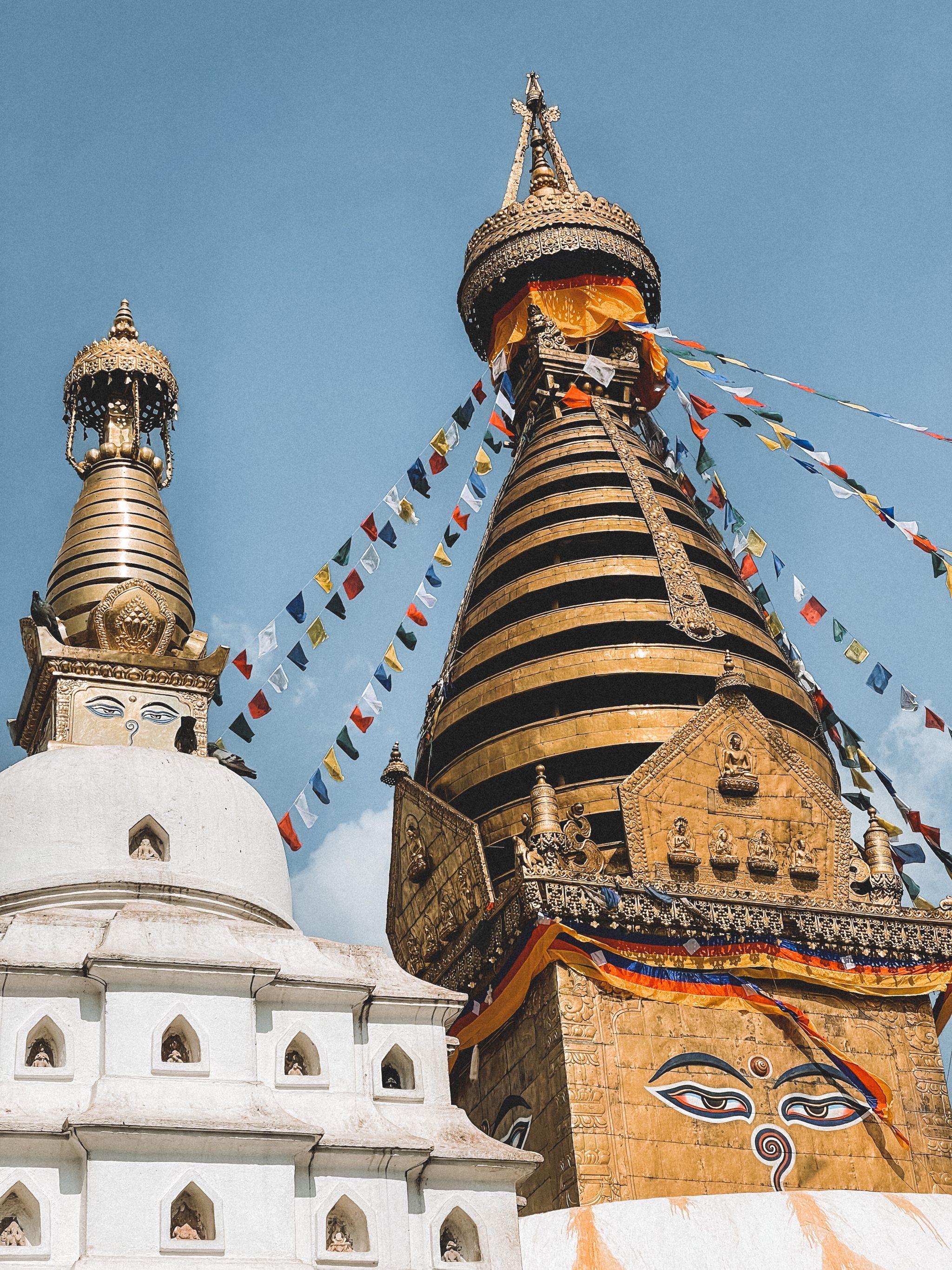
Kathmandu is where Nepal's history and spirituality concentrate. In a few days you can stand at the great stupa of Boudhanath, watch riverside rituals at Pashupatinath, wander the medieval royal squares of Kathmandu, Patan and nearby Bhaktapur, and lose an afternoon in the markets of Thamel.
- Unmatched culture and history - seven UNESCO monument zones in one valley.
- The widest food and shopping in Nepal.
- The transport hub - the international airport and most trek gateways.
The trade-offs: it's busy, noisy, and the air quality is genuinely poor in the dry winter and pre-monsoon months. Thrilling in small doses, tiring over a long stay.
Pokhara: the relaxed escape
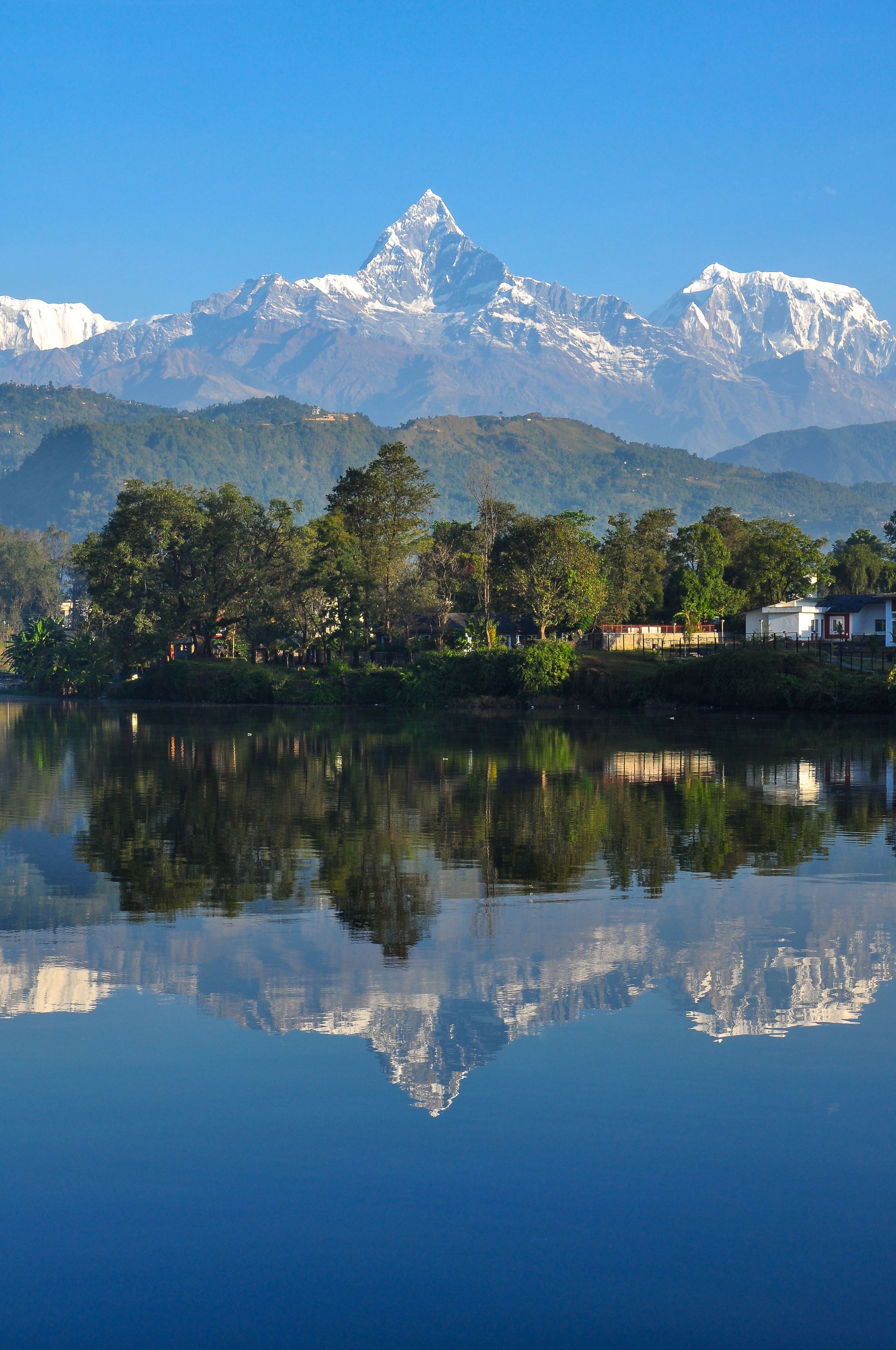
Pokhara is where you breathe out. Built along Phewa Lake with the Annapurnas as a backdrop, it's calmer, cleaner and greener, and it's Nepal's adventure-sports and trekking capital.
- The setting - lake, mountains, and that famous Sarangkot sunrise.
- Adventure on the doorstep - world-class paragliding, short treks, boating, zipline.
- A place to slow down - lakeside cafes, gentle days, easy pace. It's also the top base for remote workers.
The trade-offs: less historical depth than Kathmandu (it's about nature and leisure, not ancient monuments) and a smaller, though good, range of services.
How to split your time
For most trips, do both - they complement each other perfectly. A proven rhythm:
- One week: ~3 days Kathmandu Valley (incl. Bhaktapur/Patan) + 2–3 days Pokhara. See the full 7-day itinerary.
- Culture-focused traveller: weight toward Kathmandu; day-trip the valley's medieval cities.
- Nature/adventure traveller: weight toward Pokhara; use it as a trek base.
- Best order: front-load Kathmandu's sightseeing, then finish in Pokhara to decompress before flying home.
Getting between them: a 25-minute flight (~USD 100–130) or a 6–8 hour tourist bus/private car. With limited time, fly; the bus is scenic but long.
Cost, food, and everyday feel
Prices are similar on paper and different in practice. Kathmandu's range is wider at both ends: cheaper local eating in the old town, plus the country's best high-end restaurants and heritage hotels. Pokhara's Lakeside runs on a flatter tourist economy - most meals and rooms cluster in the comfortable middle, and you pay a small premium for the lake view rather than the food. Day to day, the difference you actually feel is air and pace: Kathmandu is dusty, loud, and endlessly interesting; Pokhara is cleaner, slower, and easier on the nervous system. Travelers who love cities tend to underrate Pokhara before arriving; travelers who hate traffic tend to underrate how quickly Kathmandu's old lanes make up for it.
Weather splits them too: Pokhara is warmer and noticeably wetter (its lake and greenery are monsoon-funded), while Kathmandu's higher valley runs cooler with colder winter mornings. In the October-November window, both are at their best and the choice comes down to taste, not conditions.
The verdict
Don't think of it as either/or - think of it as sequence and weighting. Kathmandu delivers the culture and history; Pokhara delivers the nature and the exhale. If you genuinely had to pick one: choose Kathmandu for a first, culture-first trip, or Pokhara if your heart is set on mountains, calm and trekking. Either way, plan around the clear autumn season, and you'll see the best of both.