
Getting online in Nepal is cheap and easy in the cities and increasingly possible on the trail - but the right choice depends on where you're going. A traveler spending a week between Kathmandu and Pokhara has different needs from a trekker heading to Everest Base Camp. Here's how Nepal SIM cards and internet work, from the arrivals hall to the high teahouses.
The two networks: Ncell vs NTC
Nepal has two main mobile providers, and the choice matters:
- Ncell - the most tourist-friendly, with strong, fast coverage in Kathmandu, Pokhara, Chitwan, and the main towns. Easiest to buy and top up.
- Nepal Telecom (NTC / Namaste) - the state operator, with the widest reach into remote and high-altitude areas, including stretches of the Everest and Annapurna trekking regions where Ncell drops out.
| Ncell | NTC | |
|---|---|---|
| Best in cities | Excellent | Good |
| Best in remote/mountains | Patchy high up | Often better |
| Ease for tourists | Very easy | Easy |
| Buy at airport | Yes | Yes |
The short version: Ncell for a city-and-Pokhara trip, NTC if you're trekking high - or buy both cheaply and switch.
Where and how to buy
You have two main options:
- Kathmandu airport (on arrival). Counters in the arrivals area sell tourist SIMs immediately - convenient but more expensive than in town.
- Official shops in the city. Ncell and NTC stores in Thamel, Lakeside (Pokhara), and elsewhere are cheaper and can sort packages and top-ups. The trekking-and-tours streets of Kathmandu are full of them.
For either, bring your passport and a passport-sized photo (airport desks can snap one). Activation usually takes an hour or two. Avoid unofficial street resellers; use branded shops so registration is done correctly.
Data packages and cost
Both networks sell prepaid data packs on top of the base SIM - daily, weekly, and monthly bundles, plus voice and SMS add-ons. Data in Nepal is inexpensive by Western standards, and you activate packs via app, code, or in-shop. Prices and pack structures change frequently and there are regular promotions, so verify current rates when you buy rather than relying on old figures. For most travelers a modest monthly data bundle comfortably covers maps, messaging, and uploads. Factor it into your overall costs with the Nepal budget guide.
eSIM: the no-paperwork option
If your phone supports eSIM, international travel-eSIM apps let you buy a Nepal data plan before you land and connect the moment you arrive - no shop, no photo, no queue. It's the most convenient choice for short trips and light users. The trade-offs: it's usually dearer per gigabyte than a local SIM, it's often data-only (no local number), and it may roam on a host network rather than give you native coverage. For a long stay, heavy use, or deep trekking, a local Ncell or NTC SIM is generally better value and reach.
Internet on the trek
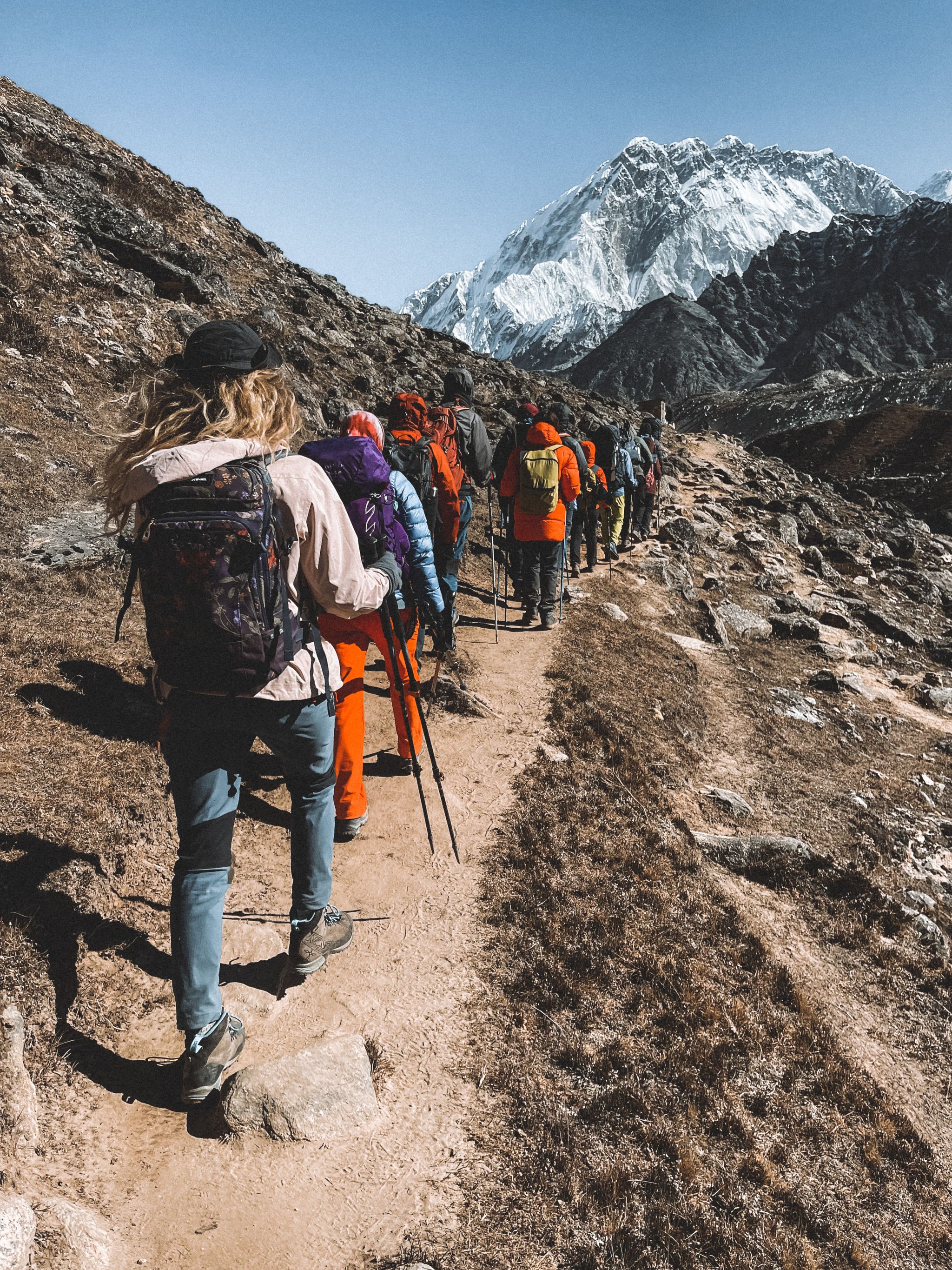
Connectivity on the trails has improved a lot, with caveats:
- Teahouse Wi-Fi is common on popular routes but usually paid and slow, and it buckles when everyone logs on at dinner.
- Everest Link and similar services sell prepaid Wi-Fi cards in the Khumbu (Everest region), working at many lodges.
- Mobile data reaches impressively high on some routes, especially on NTC - but it's patchy and disappears on the highest sections.
- Power is the real constraint. Charging costs money above the bigger villages, so carry a power bank and download offline maps and entertainment before you set off - the same kit the packing list recommends.
Treat the high trails as mostly offline. It's part of the appeal, and it removes the temptation to doomscroll under the Himalaya.
Tips and common pitfalls
A few things that trip travelers up:
- Buy from official shops, not random street stalls - registration has to be done against your passport, and a badly registered SIM may stop working.
- Keep your passport handy on arrival; you can't buy a SIM without it.
- Activate the data pack, not just the SIM - the base SIM often comes with little or no data until you add a bundle via the provider's app or a USSD code.
- Note the network names - NTC also brands as "Namaste"; don't be confused selecting it in your phone settings.
- Use your phone as a hotspot to share one good SIM across a couple, rather than buying multiple.
- Top up easily at any small shop displaying the Ncell or NTC logo, or in-app - recharge cards are everywhere in towns.
- Download offline first. Get maps, lodge contacts, and entertainment while you have fast city Wi-Fi, before heading where signal fades.
Quick recommendations
- City-and-Pokhara trip: an Ncell SIM, or an eSIM if you want zero hassle.
- Trekking high (Everest/Annapurna): an NTC SIM for the best mountain reach, plus teahouse Wi-Fi where needed.
- Short visit, light use: an eSIM installed before you fly.
Sort your connectivity in the first hour in Kathmandu and the rest of the trip runs smoother - maps for the chaotic streets, messaging to book lodges, and a lifeline on the trail. Pair this with the packing list and what to wear in Nepal as you finalise the practical side of your trip, or start planning routes on the Nepal trekking hub.