
"Is the Everest Base Camp trek worth it?" is the question every prospective trekker asks, and the honest answer is: usually yes, but not for the reasons people expect, and not for everyone. EBC is one of the world's great treks - and also crowded, cold, expensive, and oddly anticlimactic at the actual Base Camp. Here's a straight take on what you get, what you don't, and whether it's right for you.
What you actually get
The trek's reputation is earned. The highlights:
- Spectacular high-Himalaya scenery - the walk up the Khumbu past Ama Dablam, Lhotse, and Nuptse is relentlessly beautiful.
- The Kala Patthar view - the dawn climb to 5,545 m gives the definitive close-up of Everest's summit pyramid.
- Sherpa culture - Namche Bazaar, the monastery at Tengboche, prayer wheels and mani walls the whole way.
- A genuine sense of achievement - standing at 5,364 m after days of effort is a real accomplishment.
- The journey itself - suspension bridges, yak trains, and the slow transition from forest to glacier.
The full day-by-day is in our Everest Base Camp itinerary.
What you don't get (the honest part)
A few realities the brochures skip:
- You barely see Everest from Base Camp. The summit is hidden behind Nuptse; EBC is a rocky moraine by the icefall. The view is from Kala Patthar, not the camp.
- It's busy. In peak season the trail and lodges are full - this is not a wilderness escape.
- It's basic and cold. Teahouses get rudimentary and freezing higher up; Wi-Fi and charging cost money.
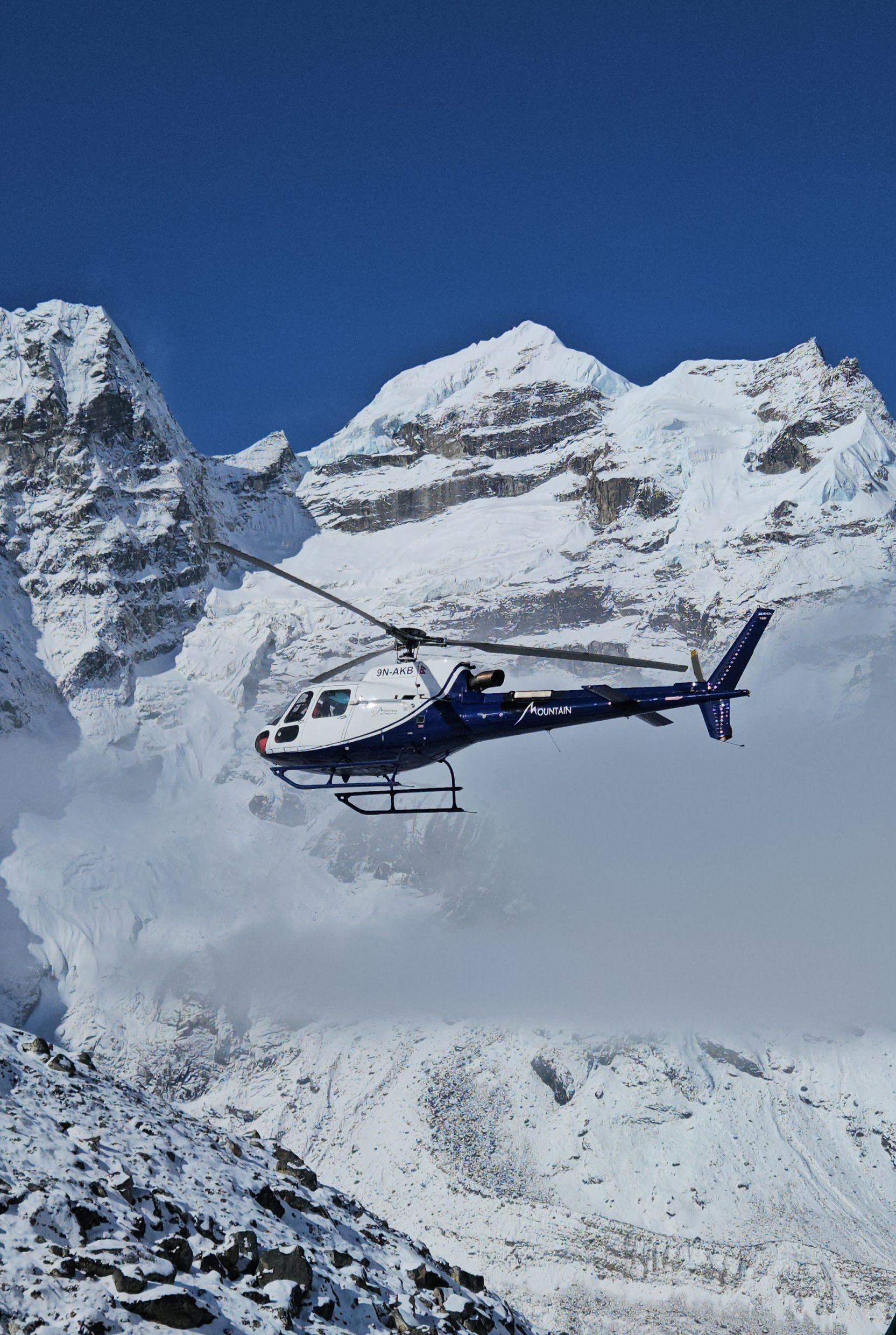
- Lukla is a gamble. The flights in and out are weather-dependent and frequently delayed.
- Altitude is the real challenge - see our altitude sickness guide.
Worth it if… maybe not if…
| Worth it if you want… | Reconsider if you want… |
|---|---|
| A bucket-list Himalayan achievement | Solitude and empty trails |
| Dramatic high-altitude scenery | Guaranteed comfort and warmth |
| Sherpa culture and the Khumbu | A close summit view with little effort |
| A physical, multi-day challenge | A short or cheap trip |
The cost and effort
EBC is a serious commitment: roughly 12-14 days, USD 1,200-2,500 including Lukla flights, and the physical and mental effort of consecutive days at altitude. It's not technical climbing, but it asks for real preparation - start with our EBC training plan, and budget proper travel insurance with high-altitude and helicopter cover.
How crowded is it, really?
This is the most common surprise. In peak season (October-November, and to a lesser extent spring) the EBC trail is genuinely busy - full teahouses in Namche and Dingboche, queues for the morning Lukla flights, and a steady stream of trekkers on the path. It's social and safe, but it is not the lonely Himalayan wilderness some imagine. If crowds would spoil it for you, trek the shoulders (late November, early December) or pick the quieter Three Passes or Gokyo routes, which peel away from the main highway to Base Camp.
The Lukla flight reality
The trek begins and ends with a flight to Lukla, one of the world's most dramatic airstrips - and one of its least reliable. Cloud and wind regularly delay or cancel flights for hours or days, sometimes rerouting through a longer drive-and-fly via Ramechhap. This is the single biggest logistical wildcard of the trip, and the reason you must never schedule your international departure tight against your return from Lukla. Build in two or more buffer days at the end. Factoring this stress in is part of deciding whether EBC is worth it for you.
The alternatives worth weighing
EBC isn't the only way to feel the high Himalaya:
- Gokyo Lakes / Three Passes - arguably better Everest views from Gokyo Ri, fewer crowds, more variety.
- Annapurna Base Camp - shorter, cheaper, greener, no expensive flight, lower altitude.
- Poon Hill - a short sunrise trek if time or fitness is limited.
- The helicopter tour - a half-day flight with a Kala Patthar landing, for those without the days or the knees for the walk.
- See the full side-by-side in EBC vs the Annapurna Circuit.
Is it dangerous?
EBC is not technical and the trail is well-trodden, but it carries real risks worth naming honestly. Altitude illness is the main one - serious cases do happen, and the answer is always to descend. The Lukla flights have a safety reputation that gives some pause, and cold, fatigue, and the occasional stomach bug can compound at altitude. None of this should deter a prepared trekker, but it does mean the trek demands respect: acclimatise properly, carry good travel insurance with helicopter cover, and be willing to turn back. Treated sensibly, the great majority of trekkers complete it without incident.
The verdict
For a reasonably fit traveler who wants a genuine Himalayan adventure and understands what they're signing up for, the Everest Base Camp trek is absolutely worth it - the scenery, the culture, and the achievement justify the effort and cost. Just go in clear-eyed: it's the journey and the Kala Patthar sunrise, not Base Camp itself, that make it. If you want solitude, comfort, or a quick win, a different trek may serve you better, and there's no shame in choosing the route that matches what you actually enjoy. Plan it properly with the Everest region guide, the best time to visit, and the itinerary, and it can be the trip of a lifetime.