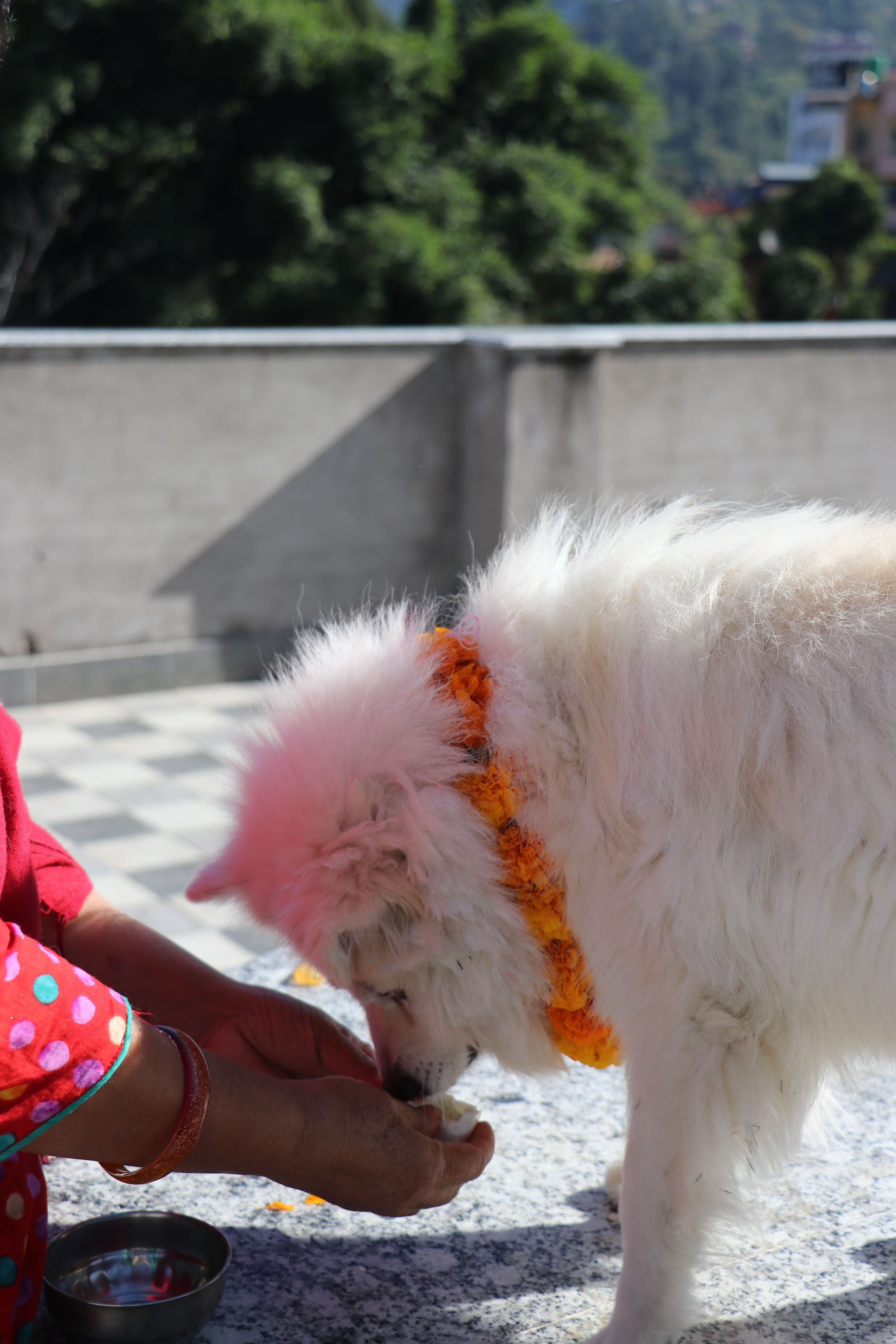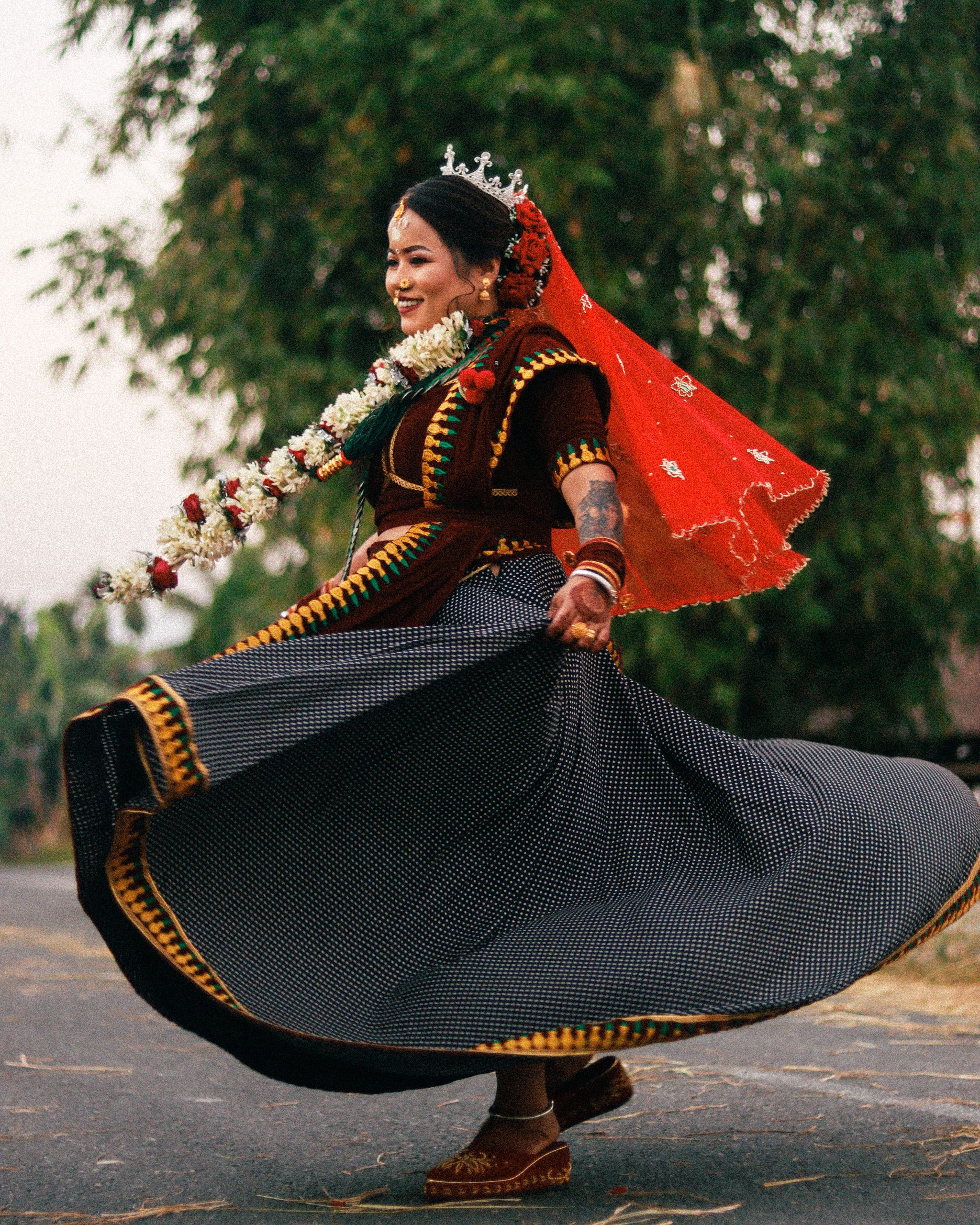

On the night of the December full moon, kitchens in the old Newar towns of the Kathmandu Valley fill with steam. The smell is molasses and sesame, and the dumplings coming out of the pot are fish-shaped. That is Yomari Punhi, and in 2026 it falls on Thursday, December 24, the day before Christmas.
Yomari Punhi 2026 date
The festival follows the full moon (punhi) of Thinla, the second month of the Newar lunar calendar, which lands in late November or December. This year the full moon day is Poush 9, 2083 in the Nepali calendar, or December 24. The government's public holiday list for 2083 gives the same date and makes it a national holiday, listed as Dhanya Purnima, Udhauli Parwa and Yomari Punhi together (Pradhan and Associates publish the list), and Nepali calendars agree.
Three names for one date is not a mistake. Newar families celebrate Yomari Punhi, Kirat communities in the east observe Udhauli (the move down to lower pastures for winter), and many Hindu households mark Dhanya Purnima, the grain full moon. All three are about the harvest being in. The day is also Jyapu Day, kept by the Jyapu, the Newar farming families whose fields the rice came from.
The holiday lands in the week of the Christmas and New Year rush, so offices and banks will be shut and buses full. Plan around it with Christmas and New Year in Nepal and Nepal in December. Tamu Lhosar follows six days later: see Tamu Lhosar 2026. Every other date is in the festival calendar for 2083.
What the festival celebrates
Yomari Punhi marks the end of the rice harvest. Families worship Annapurna, the goddess of grain, make yomari from the new flour, offer it, and then eat. By now the paddy has been cut and is drying, and in the weeks before the festival you can see grain spread across the temple squares of Newar towns, raked over by hand through the day.
It runs longer than one evening. On the first night, children go from house to house asking for yomari, a custom called Yomari Phwanegu. The day after the full moon is Matina Paru, which some Newars call a day of love, and the celebration closes with a family feast on the fourth day. In the villages of Harisiddhi and Thecho, south of Patan, sacred masked dances are performed for the festival.
The legend of Kubera's visit
The story most often told puts the first yomari in Panchal, today's Panauti, the old Newar town in Kavre district east of the valley. A couple there made a new kind of bread from the fresh rice, shaped it, and filled it with chaku. A stranger came to the door and they shared it with him. He was Kubera, the god of wealth, in disguise, and he blessed the household with prosperity.
How old is the custom? Accounts disagree. One tradition links yomari to the Bhasa Vamsavali chronicle and King Amshuverma in the 6th century. Earlier names for the dish, irhamadhe and elamadhe, appear in a 1440 inscription at Pashupati and in late 17th-century texts. The Kathmandu Post, by contrast, gives the festival about 400 years. Enjoy the legend as tradition and leave the dating to historians.
What yomari is and how it is made
Yomari is a dumpling of glutinous rice flour from the new harvest, shaped by hand into a fish (some cooks make a rounded fig shape with a pointed tip). Inside goes chaku, a dark hardened molasses, with sesame seeds, or khuwa, milk solids cooked down to a ricotta-like paste. It is steamed and eaten warm, when the chaku has melted into syrup inside. Bite carefully.
The shaping is the hard part. The dough is pressed into a hollow cone around the cook's thumb, filled, then pinched shut into a tail. A cook who can do it neatly and fast is admired. The video below walks through it.
How to make yomari, from dough to steamer: Yummy Food WorldYomari turns up outside the full moon too. Newar children are garlanded with yomari on their second, fourth, sixth, eighth, tenth and twelfth birthdays. Some families make savoury versions filled with lentils or minced buffalo meat, but the chaku and sesame dumpling is the one you will find in shops.
 Bhaktapur Durbar Square, the best-known of the Newar towns where yomari is sold and eaten
Where to try yomari
| Place | What to expect |
|---|---|
| Bhaktapur | The most intact Newar town. Sweet shops and Newar restaurants sell yomari in the days before the full moon. See the Bhaktapur guide |
| Patan (Lalitpur) | Newar restaurants around Durbar Square and the old lanes. See Patan and Lalitpur |
| Kathmandu old city | Newar eateries around Asan and Indra Chowk. See Kathmandu |
| Panauti | The town of the legend, about 32 km from Kathmandu. Ask locally about any observance |
| Harisiddhi and Thecho | Villages south of Patan where the masked dances take place |
Restaurants that serve Newar food often list yomari around the full moon, and some serve it only then. Prices are low, but check on the day. No public programme for 2026 had been published in these towns when this page was written. The food and the evening atmosphere in the old towns are reason enough to go.
Etiquette for visitors
Families offer yomari to the gods before anyone eats it, so wait for your hosts to start. If you are invited home, accept the dumpling when it is offered. Ask before photographing a family at its altar. For the wider customs, read Nepali culture and traditions.
Eating more of the Newar kitchen
Yomari is one dish in a large Newar cuisine: samay baji, bara, choila and chatamari. The Nepali food guide covers the rest, and it makes a good list to work through if you are in Bhaktapur for the afternoon.