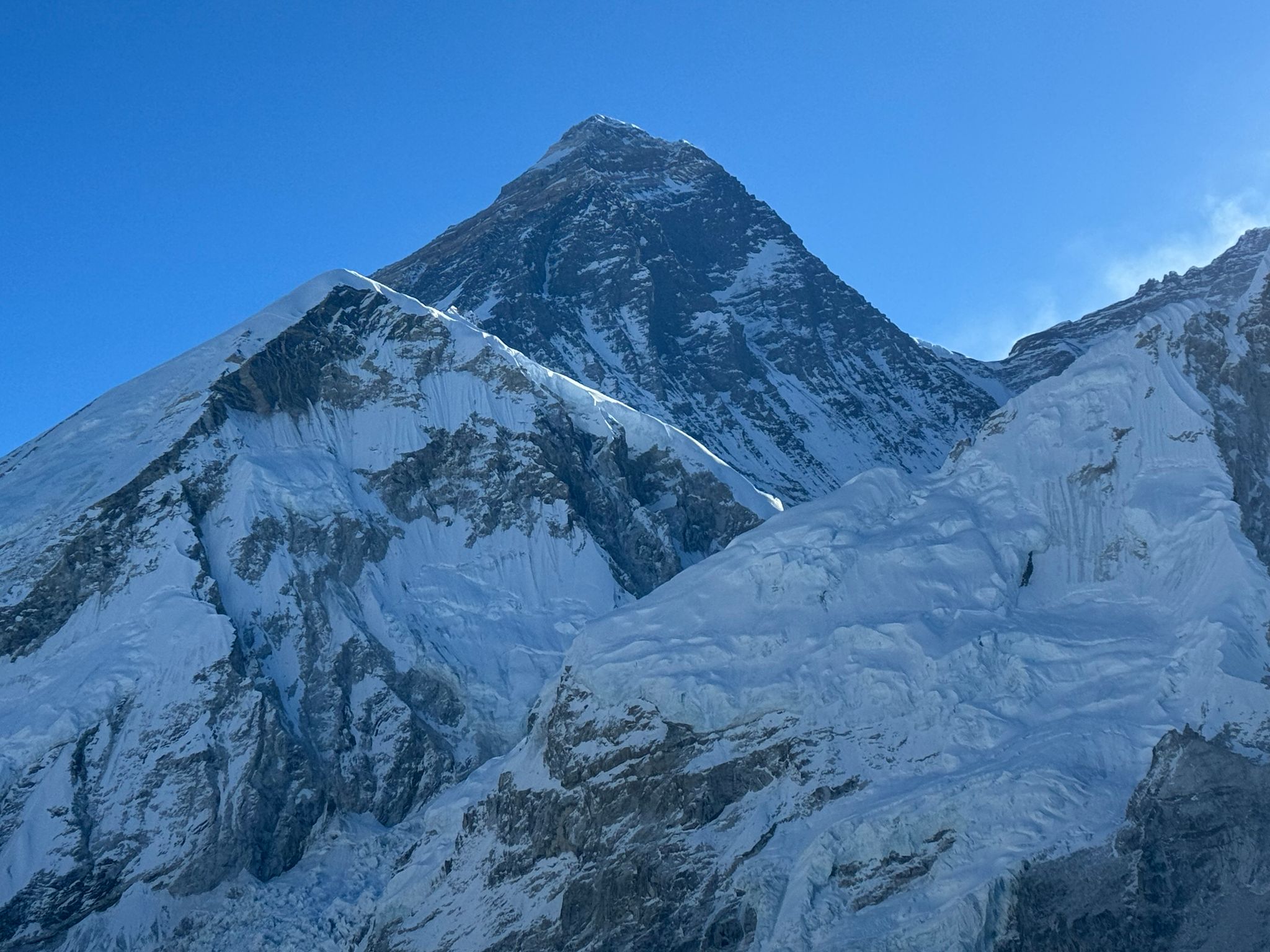

For Singaporeans, Nepal is one of the best value long-weekend-plus destinations in Asia: around five hours of flying delivers you from sea-level humidity to Himalayan air, medieval temple squares, and some of the world's great scenery. The trip planning has a few quirks worth knowing before you book: the flight map changes often, the visa queue rewards preparation, and the season matters more than at most destinations.
Flights: the honest route map
Kathmandu's Tribhuvan International Airport is the only practical gateway. Nonstop Singapore-Kathmandu services have operated on and off over the years, and when available they take about 5 hours. Check current schedules first, because the route's fortunes shift season to season. When there is no direct flight that suits, the reliable one-stop patterns are:
- Via Kuala Lumpur - frequent connections and often the cheapest fares.
- Via Bangkok - well-timed connections and full-service options.
- Via Delhi or Kolkata - more total flying but sometimes the best fares in peak season; allow a generous connection in Delhi.
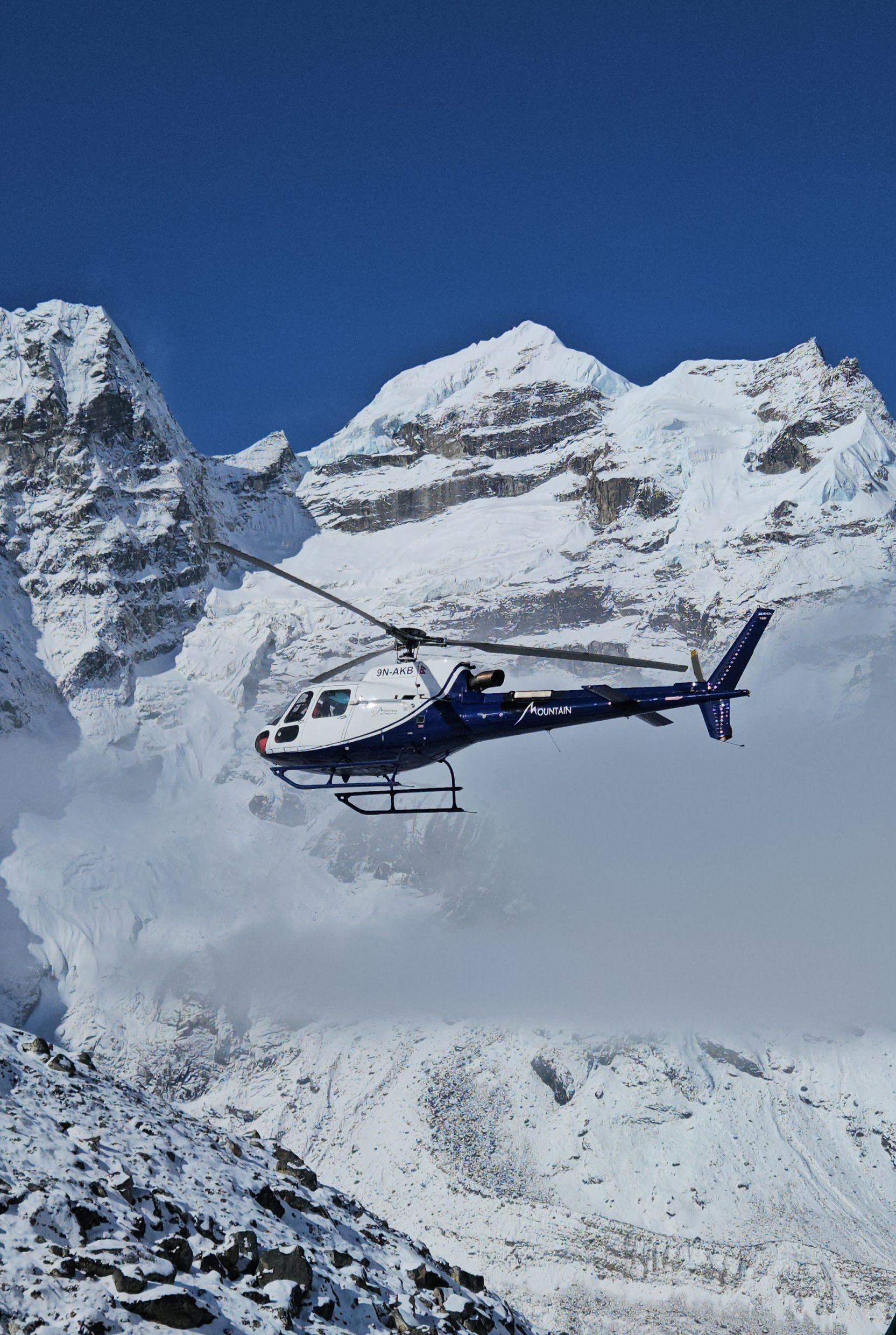
 Domestic hops like Kathmandu-Pokhara take 25 minutes and fly straight at the scenery
Booked well ahead for the October-November peak, return fares are moderate by Singapore standards; last-minute peak-season fares climb steeply. Kathmandu arrivals are frequently in the afternoon or evening, which suits a first-night hotel in Thamel and a fresh start next morning. Our Kathmandu airport guide covers the arrival process, taxis, and SIM counters.
Visa on arrival: five minutes of admin
Singapore passport holders get a tourist visa on arrival. The drill at Tribhuvan: fill in the application at the electronic kiosks (or online up to 15 days before flying, which saves a queue), pay at the payment counter, then join the immigration line. Fees at the time of writing are USD 30 for 15 days and USD 50 for 30 days (verify current rates), and carrying the fee in US dollars cash processes fastest. Passport validity of six months is the standard requirement. The full detail, including extensions, is in our Nepal visa guide.
When to go (it matters more than you think)
Nepal has real seasons, and they decide what you will see:
- October-November - the reason to burn annual leave: washed post-monsoon air, near-guaranteed mountain views, comfortable temperatures. Book flights and good hotels 2-3 months out. See Nepal in October.
- March-April - second-best: warm, rhododendron forests in bloom, slightly hazier views.
- December-February - cold at altitude but clear; cities are very doable and quiet.
- June-September - monsoon. Green and atmospheric, but the mountains hide. Fine for a culture-focused trip, wrong for a views-focused one (best time guide).
The escape-the-humidity logic works year-round: even in warm months, Kathmandu's 1,400 m altitude means cool evenings, and Pokhara mornings by the lake feel nothing like the tropics.
Money, SIM, and the small practicalities
- Money: Nepal runs on cash outside the bigger hotels and restaurants. ATMs are everywhere in Kathmandu and Pokhara; money changers in Thamel and Lakeside take major currencies including Singapore dollars, though USD gets the most universal acceptance. Full detail in the money guide.
- SIM: buy an Ncell or NTC tourist SIM at the airport or in Thamel - cheap data, passport photo and copy required.
- Time zone: Nepal runs on UTC+5:45 - 2 hours 15 minutes behind Singapore, so jet lag is a non-event.
- Health: no special vaccinations required for a standard trip; drink treated or bottled water and ease into street food (food and water safety).
- Power: Nepali sockets take the round two- and three-pin types; a universal adapter covers it.
A 7-day plan that fits annual leave
- Day 1: arrive Kathmandu, evening in Thamel.
- Day 2: Kathmandu heritage circuit - Durbar Square, Swayambhunath, evening kora at Boudhanath (the full list).
- Day 3: morning flight or tourist bus to Pokhara; sunset by Phewa Lake.
- Day 4: Sarangkot sunrise over the Annapurnas, then paragliding, boating, or the Peace Pagoda (Pokhara guide).
- Day 5: day hike toward Australian Camp or Dhampus for a taste of the trails.
- Day 6: return to Kathmandu; Patan's Durbar Square and museum in the afternoon.
- Day 7: fly home.
With 10 days, add the Ghorepani-Poon Hill trek (3-4 days of genuine Himalayan trekking without altitude risk) or two nights of rhino-spotting in Chitwan. The 7-day itinerary and two-week version map both in detail.
Food notes for the Singapore palate
Eating well is easy. Nepali food shares a family resemblance with North Indian cooking but is lighter and less oily: dal bhat with free refills, momos everywhere, and Thakali sets that convert everyone. Kathmandu and Pokhara both have strong international scenes when the craving for something familiar hits. Halal options exist but are limited: Kathmandu has a cluster of halal restaurants around the old town's Muslim quarter near Durbar Square, and larger tourist restaurants can point you right; strict halal travelers should plan city meals ahead and lean vegetarian elsewhere, which in Nepal is no hardship at all. The food guide has the full menu decoder.
What a short trip can't do
Everest Base Camp and the Annapurna Circuit need 12-14 days on the ground; squeezing them into a week is how people end up with altitude sickness or missed flights. If the big treks call you, plan a dedicated longer trip, and read the EBC worth-it verdict first. For a first taste of Nepal on ordinary annual leave, the Kathmandu-Pokhara-Poon Hill triangle above delivers the postcard without the risk.
Five hours from Changi, the air is thin, the temples are a thousand years old, and dal bhat refills are free. Few destinations reachable in a single flight from Singapore feel further from it.