
More travelers come to Nepal from India than from anywhere else on Earth, and no other two countries make it this easy: no visa, no forex paperwork, an open border you can walk across, and a currency accepted on both sides. The ease hides a few genuine catches - one about banknotes, one about ID, one about altitude - and this guide covers all of it.
The open border: what Indians actually need
Under the 1950 India-Nepal friendship treaty, Indian citizens need no visa for Nepal, with no limit on length of stay. What you do need is identification. A passport or voter ID card is the accepted standard; airlines insist on one of the two for Kathmandu flights, and border posts ask when you cross by land. Rules around other documents (Aadhaar for adults, school ID for minors) have shifted repeatedly, so verify the current list with your airline or at the border before you travel, particularly for children. Carry photocopies; Nepal runs on them.
One more paper matter: if you drive your own car or motorcycle in, the vehicle needs a bhansar (customs) permit, paid per day at the border. It is routine, cheap, and worth doing properly - checkpoints along the tourist highways do look.
The banknote rule everyone learns the hard way
Indian currency circulates freely in Nepal at a fixed 1.6 NPR per INR - but only in small notes. Only INR 100 and lower denominations are legal in Nepal; the 200, 500, and 2,000 notes are restricted, refused by businesses, and can be confiscated at checks. The practical playbook: carry a stack of INR 100s for the border zone, exchange the rest into Nepali rupees (money changers are everywhere and the pegged rate leaves little room for games), and use ATMs in Kathmandu and Pokhara like any other traveler. Indian debit and credit cards work at city machines and bigger hotels; UPI acceptance is growing in tourist areas but remains patchy, so treat it as a bonus rather than a plan. The money guide covers the wider cash logic.
Getting there: flights vs the land border
Flying: Kathmandu is 1.5-2 hours from Delhi, with direct connections from several Indian metros - schedules and carriers change often enough that checking current routes is part of booking. Fares spike around Dashain-Tihar season and Indian holiday weeks.
Overland, the crossings that matter:
- Sunauli/Belahiya (via Gorakhpur) - the workhorse: Lumbini is under an hour away, with day and night buses onward to Pokhara and Kathmandu.
- Raxaul/Birgunj (via Patna) - the most direct road corridor to Kathmandu.
- Kakarbhitta (via Siliguri) - the eastern gateway, convenient from Darjeeling and the northeast, and the road toward Ilam's tea country.
- Banbasa/Mahendranagar - the western entry from Delhi and Uttarakhand, and the long scenic route across Nepal's far west.
Direct Delhi-Kathmandu buses exist for the committed; most travelers break the journey at the border. Crossings are open to Indians at all hours, but onward transport runs on daytime schedules; arrive by early afternoon and the connections take care of themselves.
 Pashupatinath at dusk - for Hindu travelers, the journey often begins here, at one of Shiva's greatest temples
The circuits Indians actually travel
- The pilgrimage arc is the deepest draw: Pashupatinath in Kathmandu (one of the holiest Shiva temples anywhere), Muktinath in Mustang (sacred to both Vaishnavas and Buddhists, now reachable by road), Janakpur (Sita's birthplace and the great Janaki Mandir - the full guide), and Lumbini (the Buddha's birthplace). Each stands on its own; together they justify the whole trip.
- The classic holiday: Kathmandu's heritage circuit plus Pokhara - lakeside evenings, the Sarangkot sunrise, and adventure sports at prices well below what the views suggest.
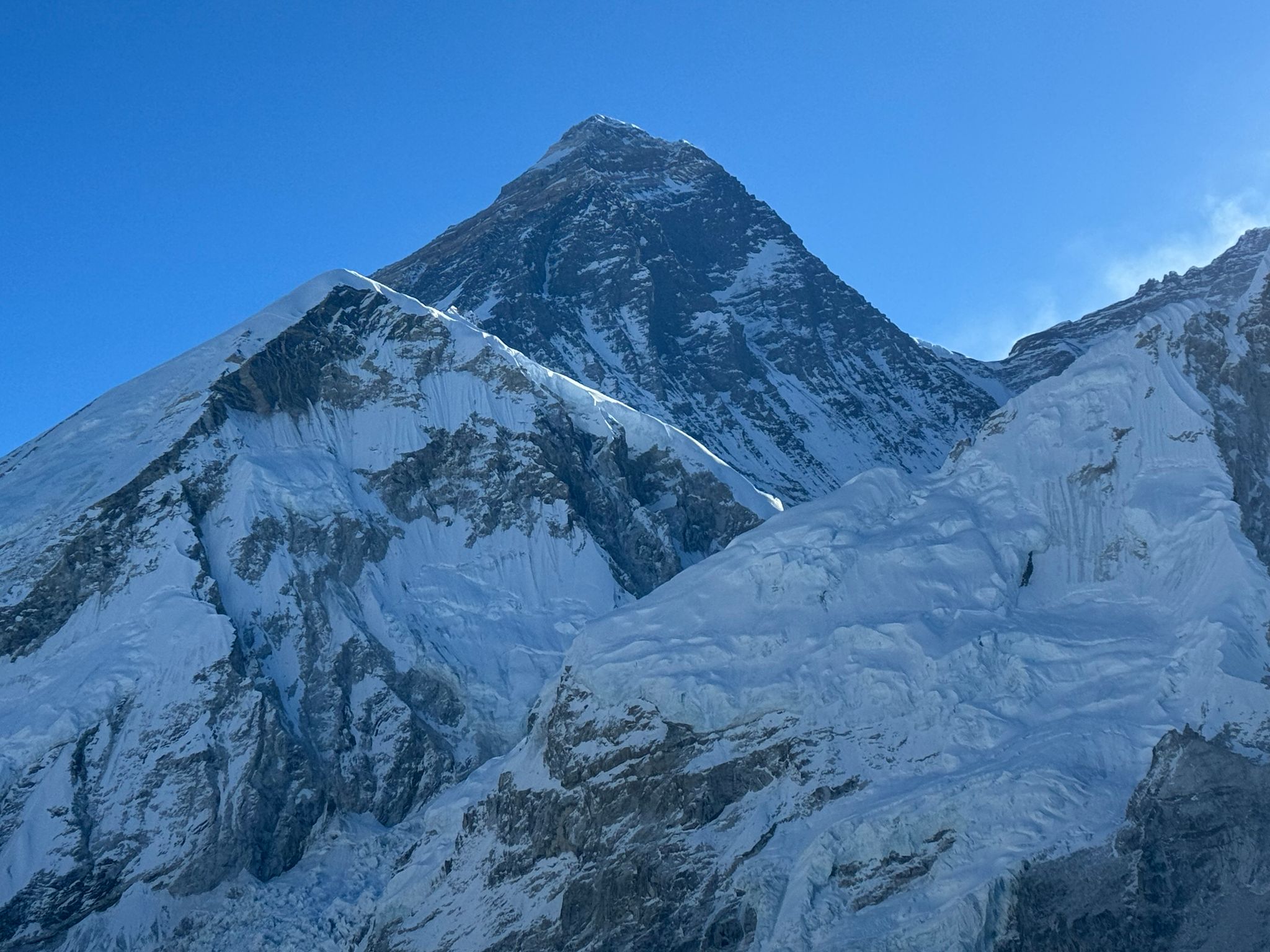
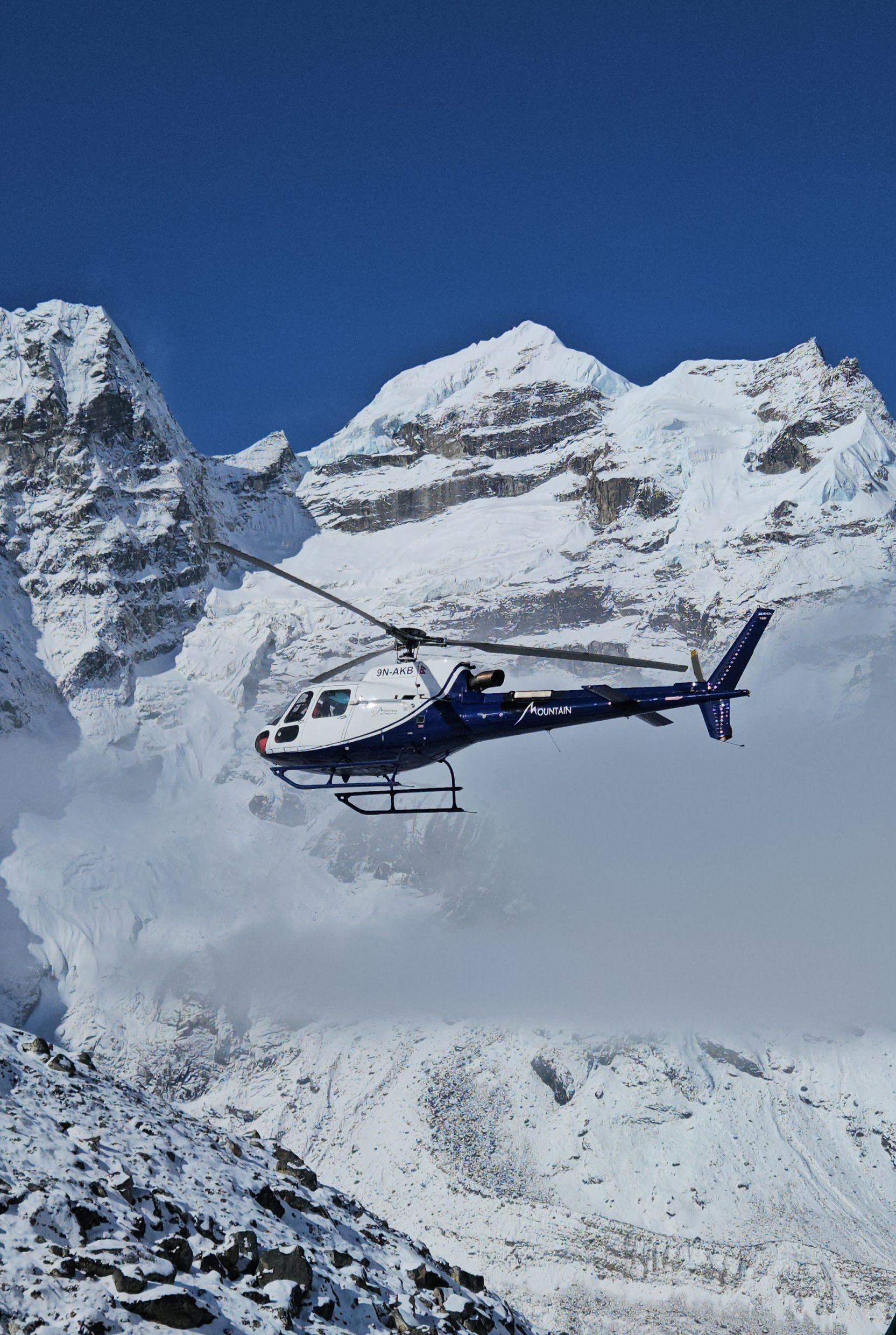
- The mountain add-on: short treks like Poon Hill, or the Everest mountain flight for summit views without the walk.
A caution wrapped in respect: Muktinath sits at 3,800 m. Road access means pilgrims can reach it from low altitude in a day, and altitude sickness among road travelers is common. Build in a night at Jomsom or ascend gradually, watch for headache and nausea, and treat descent as the cure - faith deserves acclimatisation too.
Small practicalities
Indian SIMs roam in Nepal but at rates that add up fast; a local Ncell or NTC SIM costs little and takes minutes at the airport or any bazaar (carry a photo and an ID copy). Nepali and Hindi are close enough that most travelers manage comfortably, and in the border belt and tourist trade Hindi is spoken almost universally. Vegetarian eating is effortless - dal bhat is the national plate, and Marwari and pure-veg restaurants cluster in Kathmandu and the pilgrimage towns. Driving is on the left, as at home, and highway journey times are longer than distances suggest; the hills set the schedule, not the odometer.
When to come
The same calendar that governs everyone applies: October-November for the clearest skies (and the joyful chaos of overlapping Dashain-Tihar festivities), March-April for spring warmth. Summer (June-September) is monsoon - green, quiet, and cloudy, though pilgrimage travel continues year-round. The month-by-month guide has the full picture, and November specifically is the connoisseur's pick.
For Indian travelers, Nepal manages a rare double act: utterly familiar in language overlap, food logic, and the rhythm of a temple town, then completely different the moment the Himalaya fills the windscreen. No visa, no currency friction beyond one banknote rule, and the world's greatest mountain range next door. The only real mistake is treating it as a single trip.