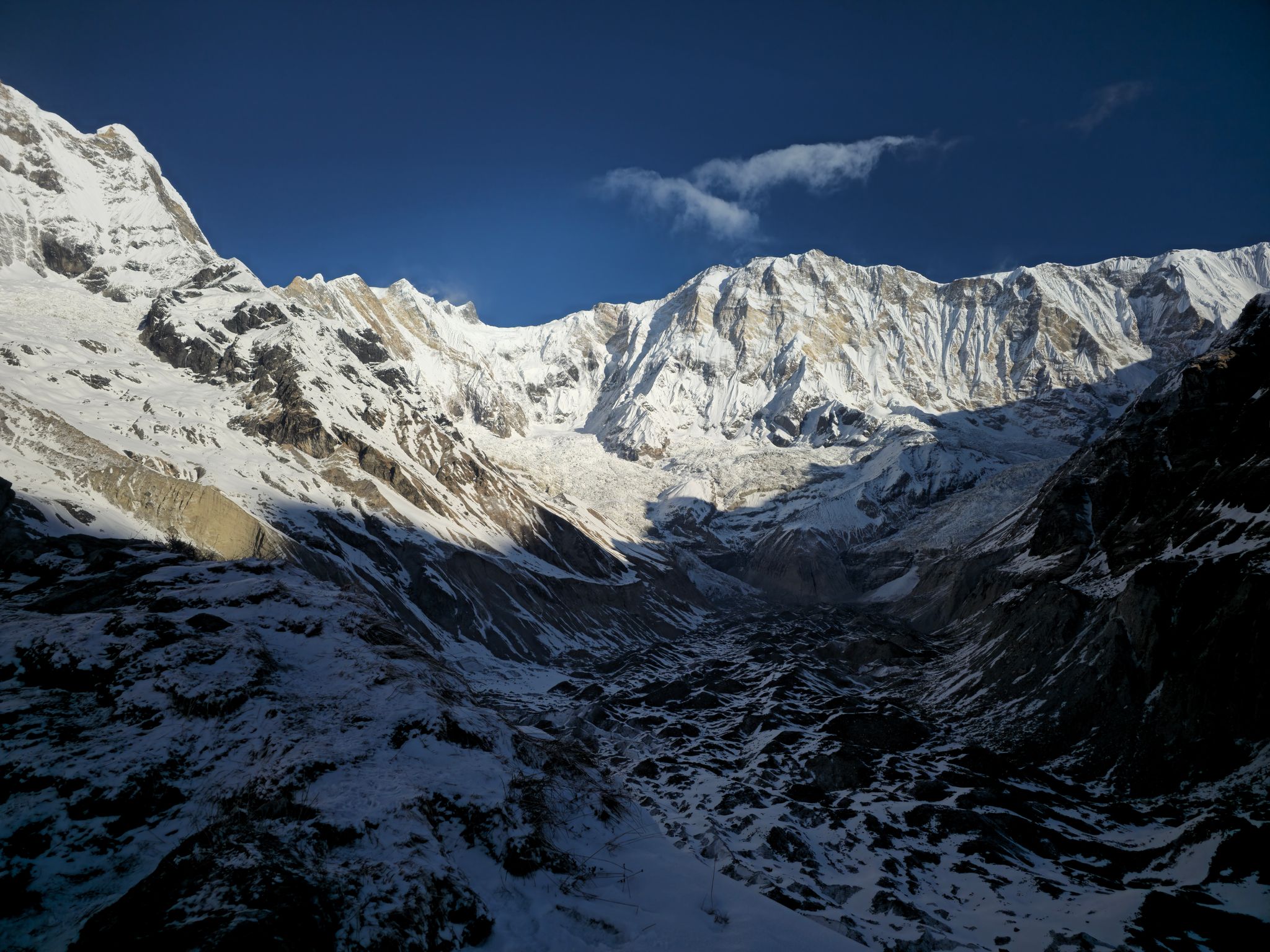
October gets the fame; November quietly delivers most of the same goods with fewer people bidding for them. The monsoon-washed air holds, the mountains stay sharp on the horizon for days at a stretch, and the trails and hotels exhale as the peak-season wave recedes. For travelers who want autumn Nepal without the scramble, this is the window.
The weather: October's encore, colder
November is one of the driest months on the Nepali calendar. Kathmandu runs warm-jacket pleasant: highs around 20-23°C early in the month easing toward the upper teens, mornings crisp, evenings cold enough to make rooftop dinners a down-vest affair. Pokhara stays a touch milder, with the Annapurnas reflected in Phewa Lake on the calm mornings that November reliably produces.
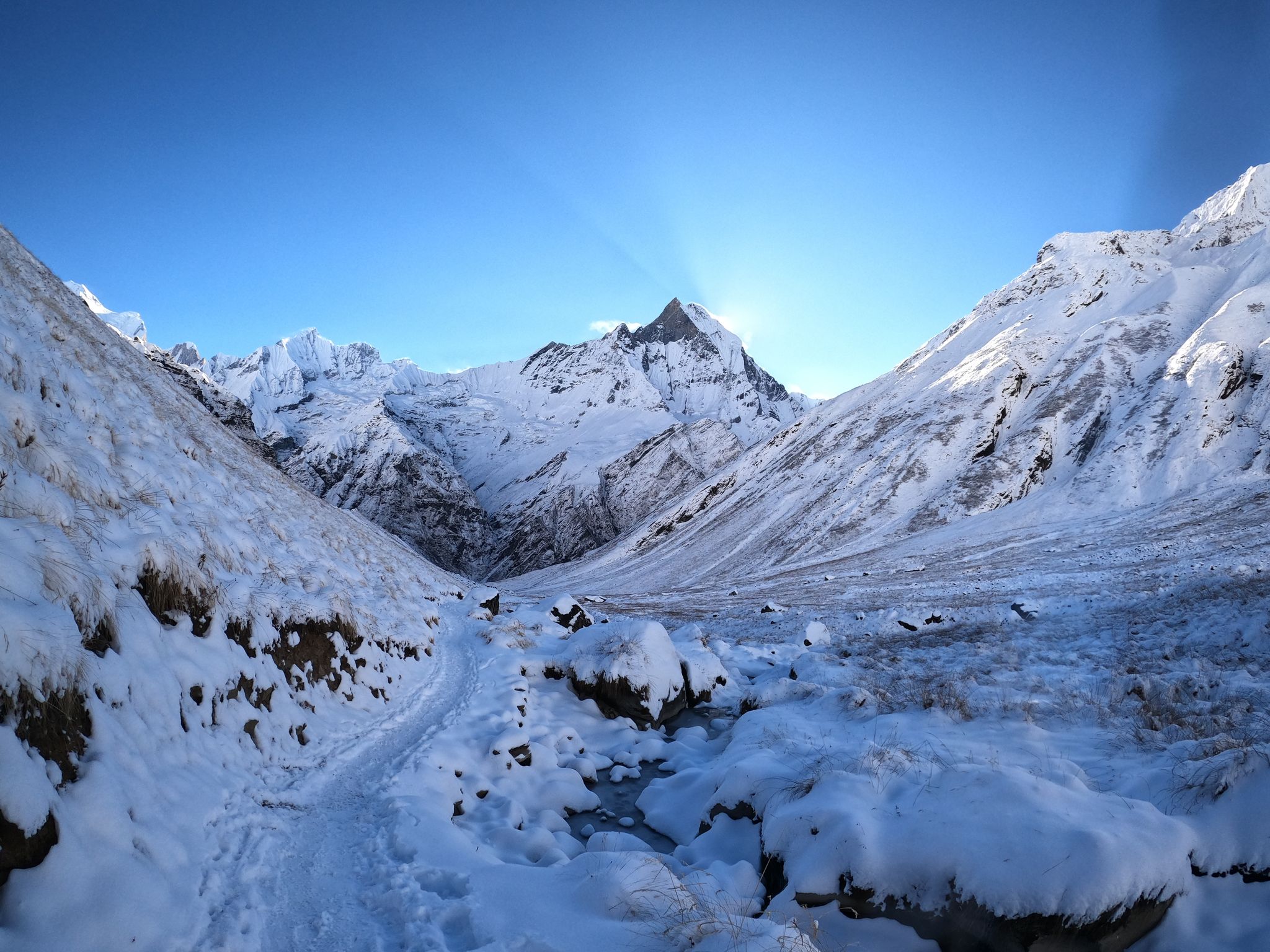
At altitude the season shows its teeth. Days remain sunny and stable, but nights above 4,000 m freeze hard - minus ten and below at the high lodges - and daylight shortens noticeably. The reward for the cold is visibility: the haze that builds through winter hasn't arrived, and the post-monsoon clarity often outlasts the crowds that came for it.
Crowds and costs: the week-by-week slide
The single best thing about November is the direction of travel. The first week still feels like peak season on the Everest trail; by mid-month the tide is clearly out, and late November has lodges offering their pick of rooms, permit lines shrinking, and Kathmandu hotels open to gentle negotiation. Flights and good hotels still deserve advance booking in the first half; spontaneity becomes realistic in the second. If October's crowd reports put you off (the honest picture), November is the answer built into the calendar.
Tihar: the festival of lights
In many years, Tihar - Nepal's five-day festival of lights - spills into November. In 2026 it runs November 7-11: Laxmi Puja on November 8, when every home lights rows of oil lamps to welcome the goddess of wealth, and Bhai Tika on November 11, when sisters bless brothers. A few published calendars put Laxmi Puja a day later, so verify before planning around it. Dogs garlanded in marigolds, courtyards glowing after dark, deusi-bhailo singers going door to door - it is the most photogenic festival Nepal has, and Bhaktapur and Patan wear it best. The Dashain and Tihar guide covers the full sequence and etiquette, and Tihar in Kathmandu has the night-by-night plan for the valley.
Expect a couple of days of closures around the main days, far gentler than Dashain's week-long wind-down.
Trekking: excellent, with a clock running
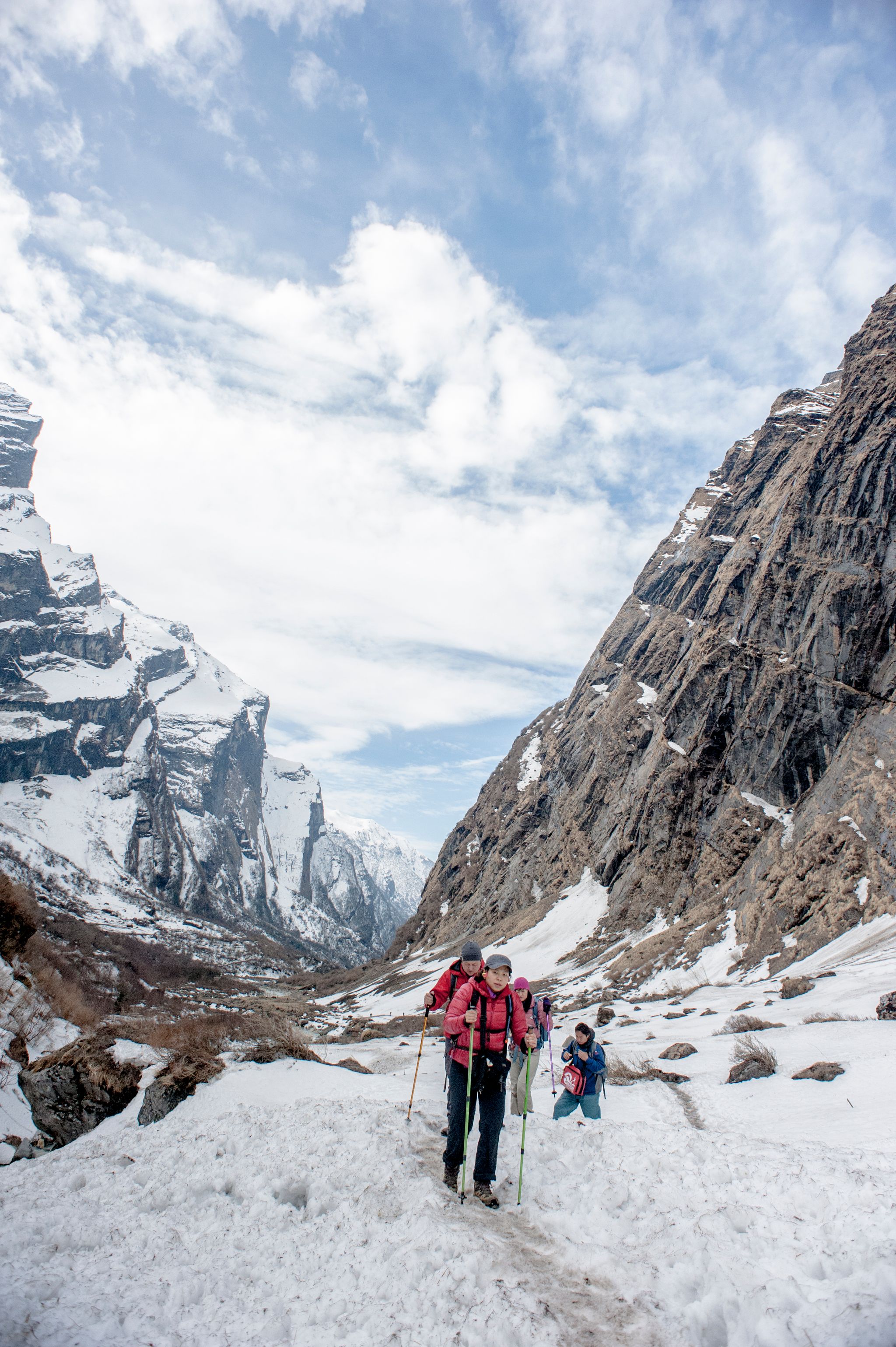
- Early November is prime time everywhere: Everest Base Camp, Gokyo, the Annapurna routes, and Langtang all at their best, minus the October queue.
- Mid-month, high passes (Thorong La, Cho La) demand more respect as the first winter snows become possible; check conditions locally and build in flexibility.
- Late November favours the mid-altitude classics - Poon Hill, Mardi Himal, Langtang Valley - where the cold stays manageable and lodges remain fully open. The highest lodges begin thinning their services as winter approaches.
Pack for the season honestly: the layering system with a genuine down jacket and a cold-rated sleeping bag, and the teahouse rhythm of stove-warmed evenings does the rest.
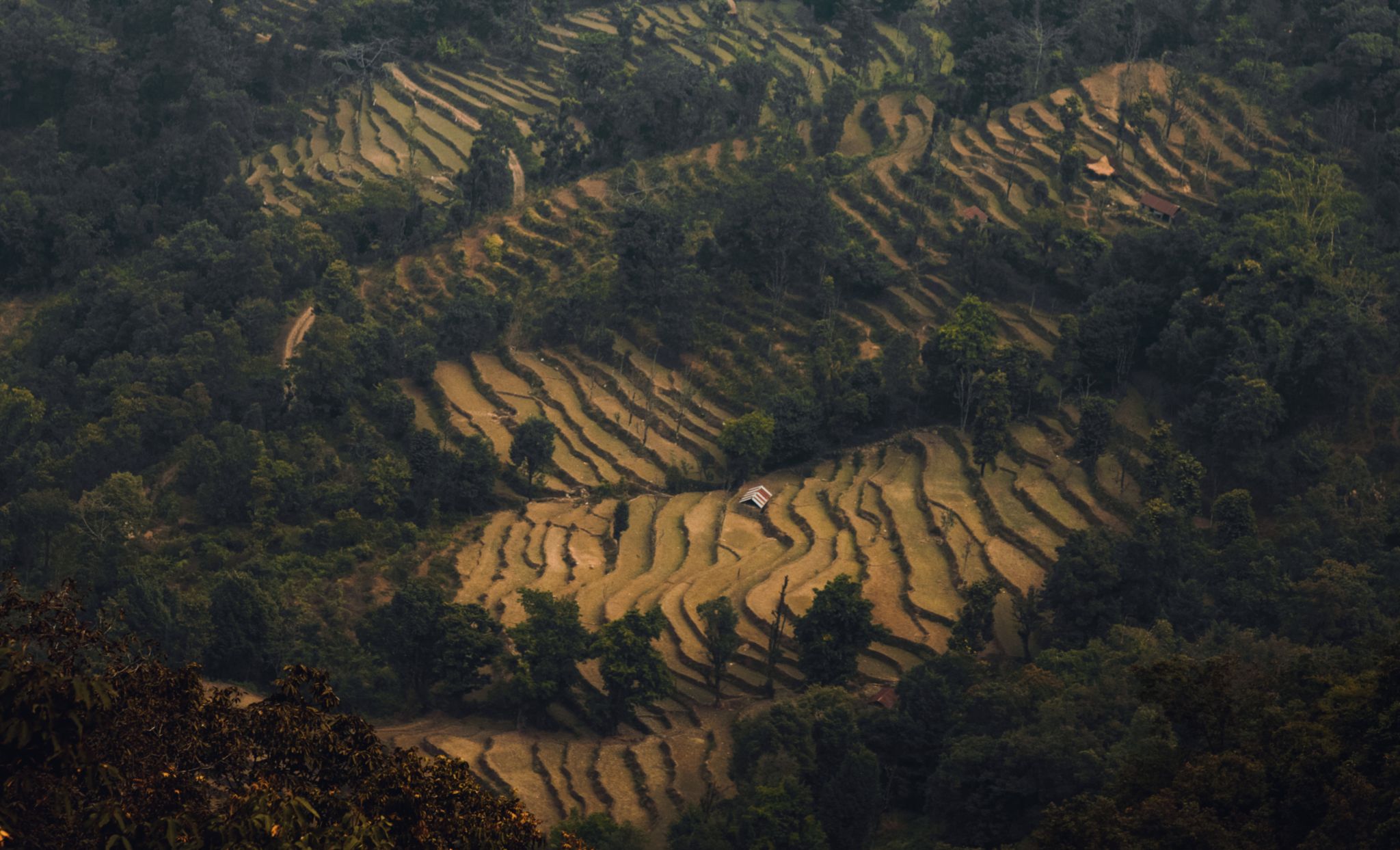
 November is harvest season in the hills - the terraces turn gold and the doko baskets come out
The hills at harvest
November paints rural Nepal gold. Rice and millet come off the terraces through the month, doko baskets on tumplines move the harvest home, and villages along every trekking route are busy with threshing and drying. It is the most photogenic agricultural moment of the year, and a quiet argument for the mid-hill treks: walking through working villages at harvest adds a layer no high-altitude moonscape offers.
Lower-altitude travel thrives generally: Chitwan's wildlife viewing improves as the grasses dry and animals concentrate near water, Lumbini is at its most comfortable, and city sightseeing across the Kathmandu Valley happens under reliably blue skies.
Practical notes for the month
- Daylight: roughly 10.5 hours and shrinking. On treks that means walking by 7:30 and arriving by mid-afternoon; the long teahouse evenings are part of the season's character, so bring a book or learn a Nepali card game.
- What to book ahead: international flights around the Tihar window (domestic demand spikes), Lukla flights in the first half of the month, and the well-known lodges at Namche and Ghorepani through mid-November. Beyond those, the month rewards flexibility.
- Air quality: Kathmandu's winter haze usually holds off until December, but the first smoggy mornings can appear late in the month. Mountain viewpoints like Nagarkot stay reliable; the classic advice of going early in the day applies.
- Dress in layers city-side too: unheated restaurants and guesthouses mean indoor evenings can feel colder than outdoor afternoons. A warm layer for dinner is the veteran move.
- Water and dust: trails are at their driest - carry more water than October habits suggest, and a buff for the dusty stretches on the lower Annapurna roads.
Who November suits best
Choose November if you want autumn conditions with breathing room, you're happy to carry warmer layers in exchange for quieter trails, or your dates simply land after the October rush. Choose October instead if maximum warmth at altitude matters, or December if winter's empty-trail austerity appeals more than late autumn's balance. For most travelers weighing the calendar, the first half of November is the best value-for-conditions slot of the entire year - the month-by-month guide shows how it stacks against the rest.