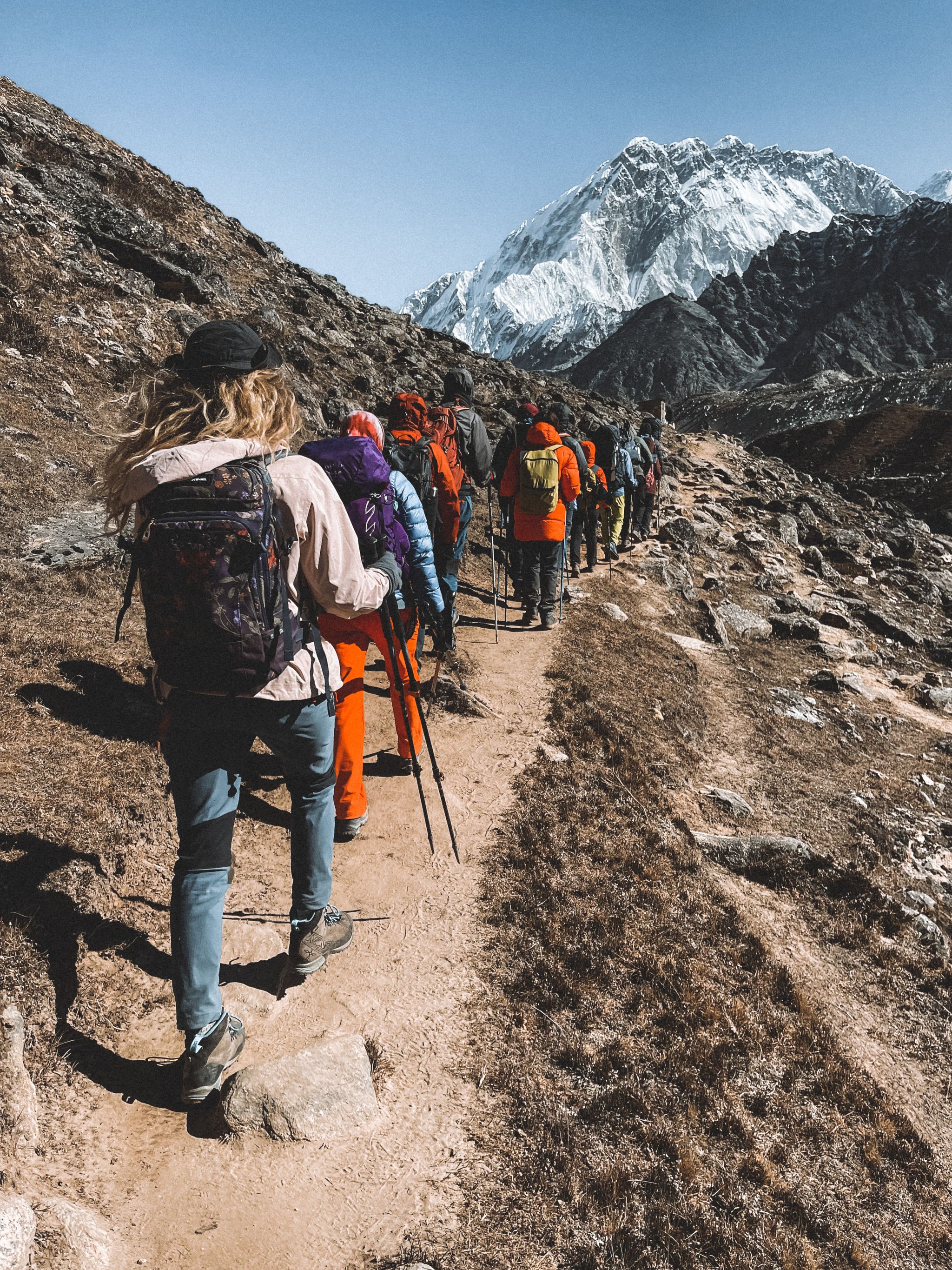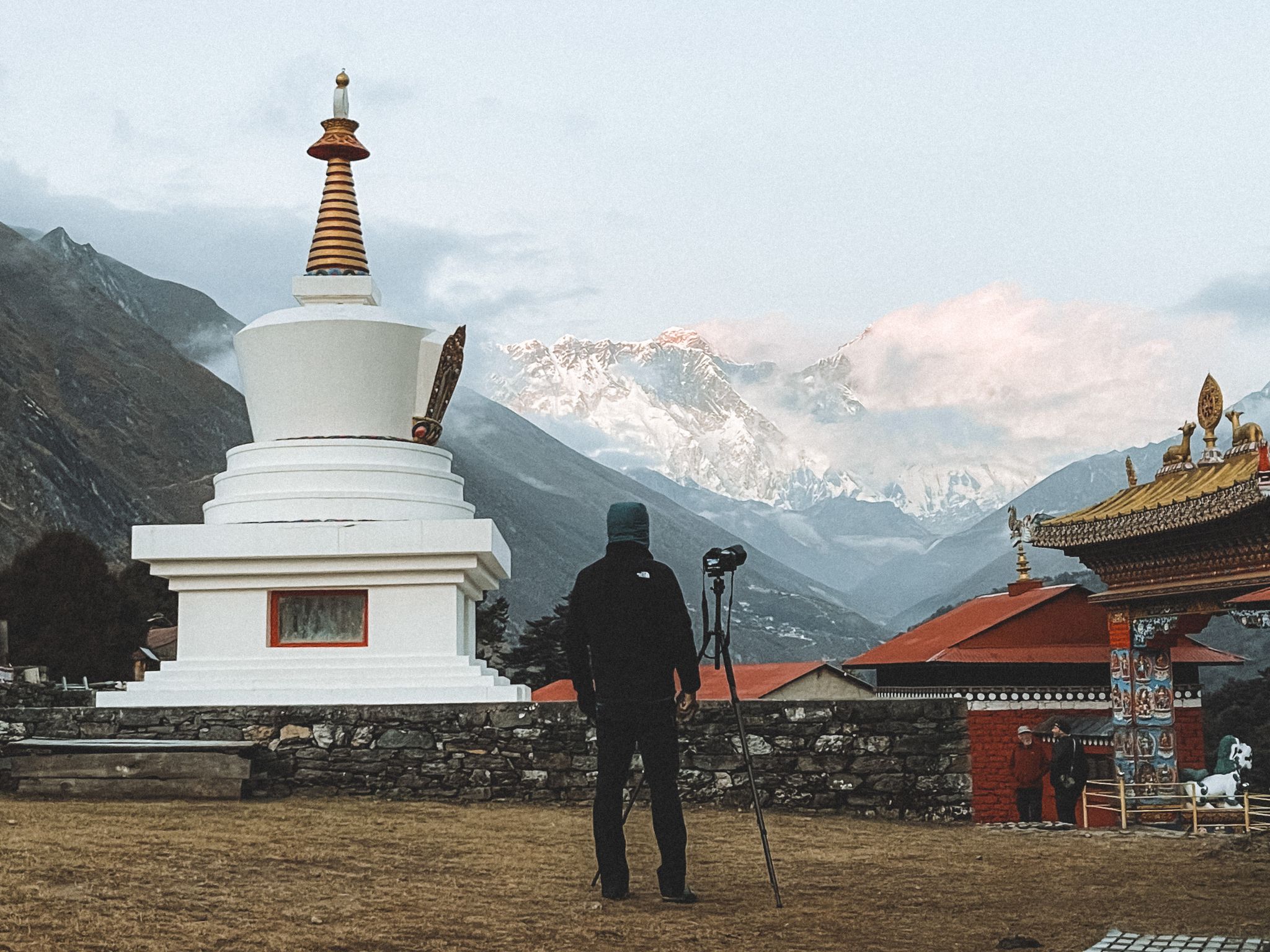

Nepal invented a kind of trekking that exists almost nowhere else: you walk through the biggest mountains on Earth carrying little more than a daypack, because every few hours of trail there is a family-run lodge with beds, dal bhat, and a stove. This guide explains how the tea house system actually works, from the plywood rooms to the unwritten rules, so the first night holds no surprises.
Where tea houses came from
The name is literal: a generation ago these were tea stops - village houses serving glasses of chiya to porters and the first trekkers, with a spare room if you asked. Trekking demand turned them into lodges, village by village, and today the main routes (Everest, Annapurna, Langtang) have unbroken chains of them, from simple family homes to two-hundred-bed operations in Namche with espresso machines. The family character survives almost everywhere: your hosts live behind the kitchen, and the business is the village's income.
The room: bring your own warmth
A standard tea house room is two narrow beds, foam mattresses, pillows, blankets, plywood walls thin enough to hear your neighbour's zipper, and a light. That's the list. Rooms are unheated at every altitude - heating happens only in the dining room, where a stove (wood low down, yak dung higher) comes on in the evening. Your sleeping bag is not optional kit; the blankets help but the bag does the work above 3,500 m (packing list).
Bathrooms are shared: flush toilets and gas showers in the lower, busier villages, squat toilets and bucket showers as you climb. Toilet paper is bring-your-own everywhere (buy it low, it gets pricier per roll with every day of altitude). A headlamp earns its place for the midnight corridor walk, and earplugs are the cheapest sleep upgrade in the Himalaya given those plywood walls.
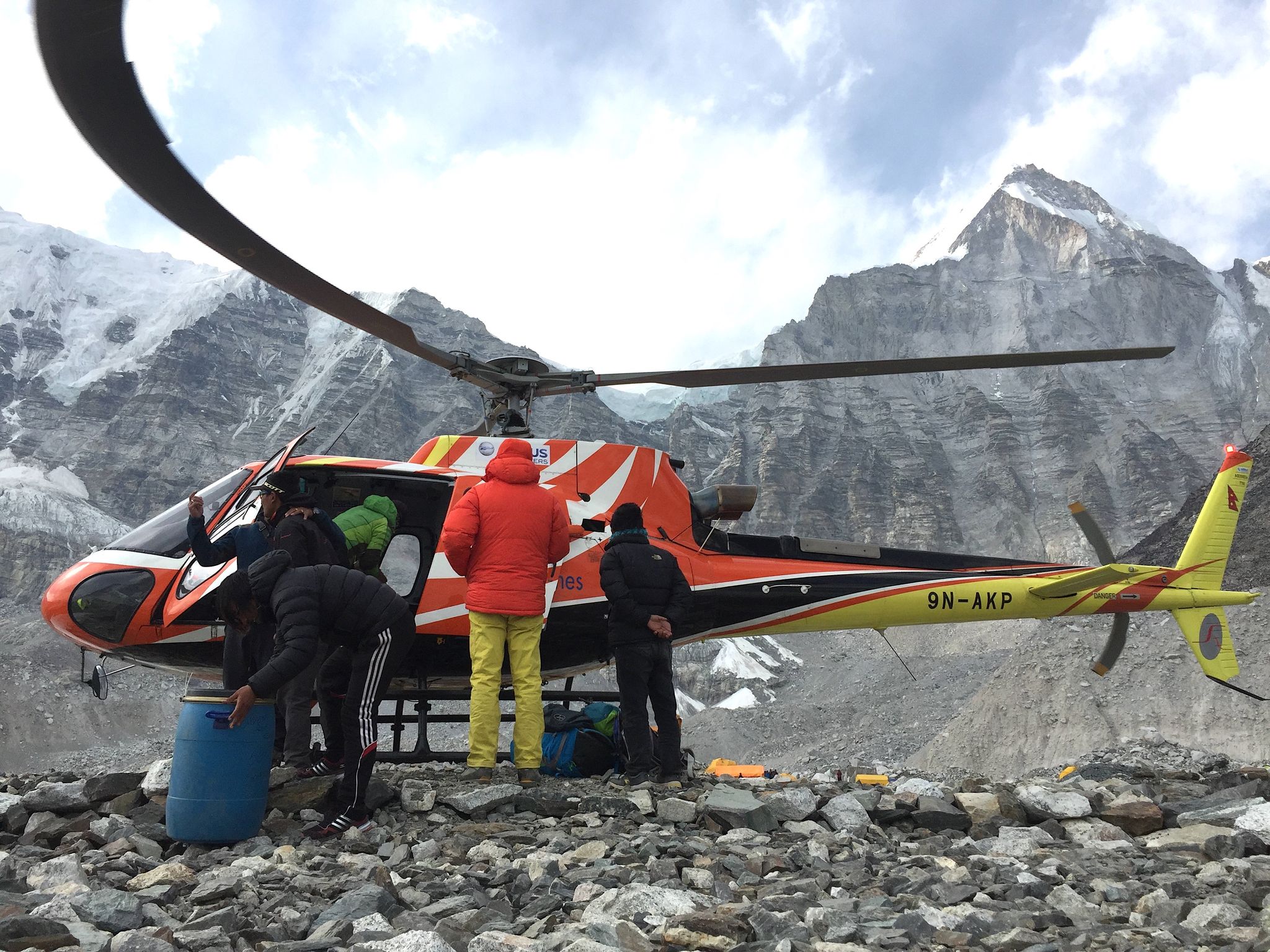
 High-altitude lodges run on a simple deal: cheap beds, warm dining rooms, and everything carried up on someone's back
The dining room: the actual heart of it
Every tea house evening follows the same liturgy. Trekkers drift in from 4 pm, claim the benches around the stove, and the room fills with drying socks, card games, route gossip, and the smell of garlic soup. You order dinner from the laminated menu early (the kitchen cooks everything in sequence on a small fire), eat around 6-7, and by 8:30 the room is emptying toward headlamps and sleeping bags. Breakfast is ordered the night before.
The menu logic - why dal bhat wins, what the food costs, and the no-meat-up-high rule - gets its own guide: what you actually eat on the trail.
What it costs and how paying works
The famous deal: the bed is nearly free, the food is the business. Rooms cost a few dollars on the understanding you eat dinner and breakfast in-house; showing up, sleeping, and eating elsewhere is the one serious faux pas of the system. All-in daily budgets on the main routes run about USD 25-35 (bed, meals, tea, occasional extras), creeping upward with altitude as everything arrives by porter or mule. Cash only, in rupees, carried from the city - the money guide covers how much to bring.
The extras menu is where budgets quietly leak: hot showers, wifi, device charging, and bakery stops each cost a little more with every 500 m of altitude. None is essential; all are pleasant.
Booking, or not
Outside the peak weeks, tea house trekking runs on walk-ins - arrive by mid-afternoon, look at a room, done. In October and April peak season on the Everest trail and around Poon Hill, the calculus changes: guided groups pre-book blocks, and independent trekkers should either book a day ahead by phone (any lodge will call ahead for you, and it's polite to eat where you slept while they do) or arrive early and stay flexible. A guide handles all of this invisibly, one of the quieter arguments for hiring one.
The unwritten rules
- Eat where you sleep - the deal that keeps beds cheap.
- Order early, eat what comes - one stove, one cook, forty orders.
- Dining room is common ground: budget for something hourly if you camp at the socket, share bench space, and the stove seats rotate naturally.
- Pay the evening before an early start, and count change calmly - errors are nearly always honest.
- Pack out your batteries and plastic; bins above the road heads are a fiction.
- Go easy on water demands in dry season villages - every heated bucket was carried and warmed by someone.
Is it comfortable? Honestly
Tea house trekking is comfortable the way a good mountain hut is comfortable: warm food, a dry bed, company, and nothing extra. If your baseline is hotels, the first squat toilet at 4,400 m is a moment; by day three the rhythm - walk, soup, stove, sleep - feels like the whole point. Those wanting more comfort can aim for the routes with upgraded lodges (parts of the Everest and Annapurna trails now have genuinely warm "luxury" tea houses at several times the price), and those wanting less can read the tea house vs camping comparison - though for nearly everyone, the tea house is the answer.
The system's real product is freedom: no tent, no food weight, no logistics beyond tomorrow's village. Pick a route - EBC, Gokyo, Langtang, Poon Hill - and the lodges will be there, stove lit, dal on the fire.