For Americans, Nepal sits at the far end of the flight map: there is no nonstop, the time change is close to a full flip, and the journey eats a day in each direction. That investment is exactly why the trip should be planned differently from a Europe vacation: longer, slower at the start, and pointed at the things you genuinely cannot see anywhere else.
Flights: the realistic routes
Every US-Nepal itinerary connects at least once. The patterns that work:
- From the East Coast (New York, Washington, Boston): one stop through Doha or Istanbul is the cleanest, with a single long transatlantic-plus leg and a 4-6 hour connection. Routing via Delhi is often cheapest but allow a generous layover - a separate terminal transfer and re-check are possible depending on the ticket.
- From the West Coast (Los Angeles, San Francisco, Seattle): the Middle East routings still work westbound, but crossing the Pacific and connecting in East Asia is sometimes shorter in total hours. Compare both directions when searching; the globe is round and Kathmandu sits almost exactly opposite the western US.
- Total time: plan on 20-26 hours door to door from the East Coast, 22-30 from the West. Verify current schedules and one-stop options when booking - the connection map changes seasonally.
Fares are at their worst around the October-November peak and the December holidays; booking 3-5 months out for autumn is the norm. Arriving, you land at Kathmandu's Tribhuvan airport - the airport guide covers visa queues, taxis, and SIM cards.
Visa on arrival: bring dollars
US citizens get a tourist visa on arrival. Fill in the form at the kiosks (or online up to 15 days before flying to skip a queue), pay at the counter, and join the immigration line. Fees at the time of writing: USD 30 for 15 days, USD 50 for 30 days, USD 125 for 90 days - verify current rates. Pay in US dollars cash for the fastest processing; the bills you brought anyway are exactly what the counter wants. Details and extensions in the visa guide.
The jet lag plan
Nepal's quirky UTC+5:45 time zone puts Kathmandu 10:45 ahead of New York and 13:45 ahead of Los Angeles, effectively a day-night flip. It is the single most underestimated part of the trip. What works:
- Book gentle days first. Temples, courtyard cafes, and the old-town wander forgive a 4 am wake-up; a Lukla flight does not.
- Put the trek in the middle, not at the front. Days 3-4 onward, your body is yours again.
- Use the morning energy. Jet-lagged travelers wake naturally at dawn for the first few days - which happens to be exactly when mountain views and temple life are at their best. It is the one advantage; spend it.
How long to stay (longer than you think)
With two travel days and an adjustment tax, a week on the ground is the floor, and 10-14 days is the sweet spot. A shape that works:
- Days 1-3: Kathmandu Valley - the heritage circuit, Patan, Bhaktapur.
- Days 4-8: Pokhara and the Ghorepani-Poon Hill trek, the best short-trek payoff in the country.
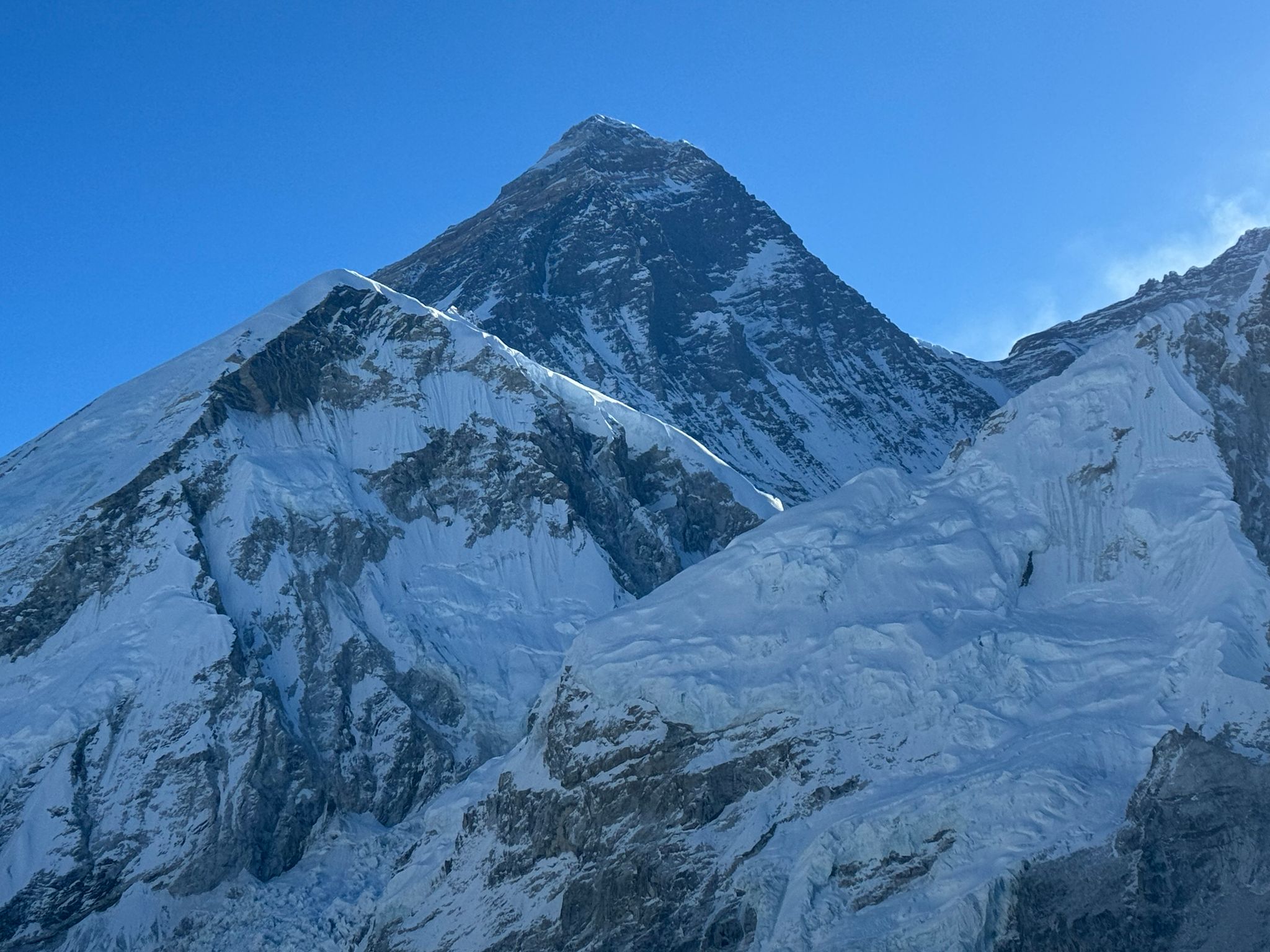
- Days 9-11: Chitwan safari or back to Kathmandu for the Everest mountain flight and unhurried shopping.
- Days 12-14: buffer and the flight home - Himalayan weather respects no itinerary, and a spare day converts delays from crisis to footnote.
The full two-week itinerary maps this day by day. If a proper Everest or Annapurna base camp trek is the goal, give it the entire trip: 12-14 days on the trail plus buffers, as the EBC itinerary lays out.
When to go
The seasons decide what you see, and from the US the flight cost argues for picking the right ones. October-November is the marquee window: post-monsoon air, near-guaranteed mountain views, comfortable temperatures, and the most expensive flights, so book early. March-April is the strong second choice, warmer with rhododendron bloom and slightly hazier views. December-February is cold at altitude but clear and quiet, a good fit for a culture-plus-viewpoints trip over the US winter holidays if you pack for cold nights. June-September is monsoon: green, atmospheric, and the wrong season to cross the planet for mountain views. The month-by-month guide weighs each in detail.
Money, phones, and the practical list
- Money: US dollars are the most useful foreign currency in Nepal - for the visa, for money changers, and as backup. Day to day runs on rupees from ATMs (money guide). Budget-wise, Nepal is a fraction of US costs: the budget guide has real numbers.
- Phone: buy a tourist SIM at the airport (passport copy + photo); US carrier international roaming works but costs multiples more.
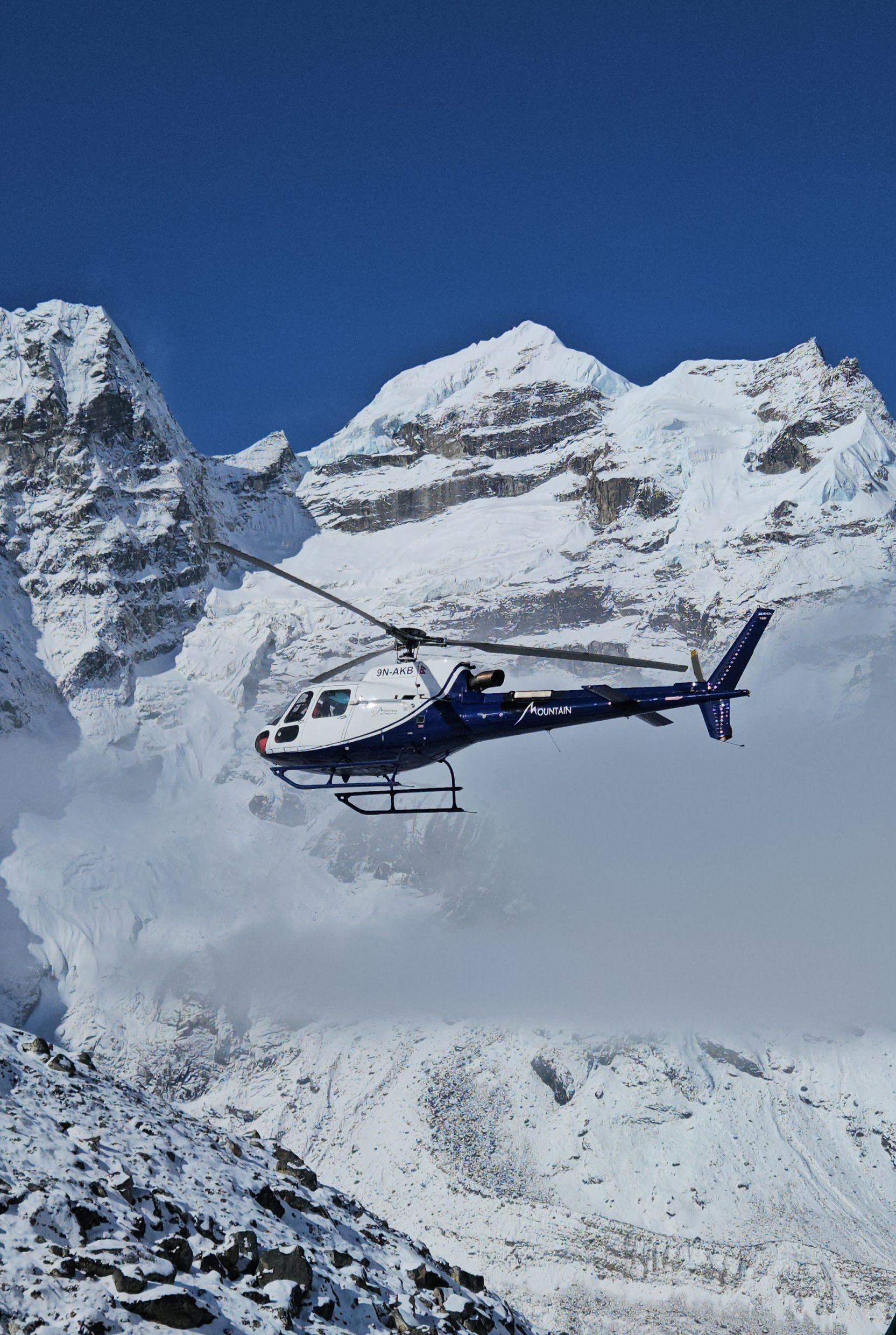
- Insurance: if trekking, buy a policy that explicitly covers your maximum altitude and helicopter evacuation - standard travel policies often cap at 3,000-4,000 m.
- Health: CDC-standard travel vaccinations, water discipline (food and water safety), and altitude respect cover the real risks.
- Power: Nepal uses round two- and three-pin sockets at 230 V; US devices need an adapter, and most modern chargers handle the voltage.
Half the planet away, Nepal repays the long haul like almost nowhere else: the world's highest mountains, a living medieval culture, and travel costs so low the flight becomes the whole budget's centrepiece. Go once, go long enough, and it will not be the last time.